
BepiColombo Hits Mercury After Eight-Year Odyssey of International Engineering
The European and Japanese probes have completed a massive, multi-national journey to study the solar system's smallest planet.

The European Space Agency and JAXA's BepiColombo probe has successfully reached Mercury, concluding an eight-year journey. This milestone validates the complex, long-term capital allocation and international collaboration required for deep-space exploration.
The BepiColombo mission has officially reached Mercury, marking the culmination of an eight-year, high-stakes odyssey that tested the limits of international engineering and deep-space navigation. This arrival is not merely a scientific footnote; it represents a massive operational success for the European and Japanese space agencies, demonstrating the ability of complex, multi-national projects to execute over extended timelines. The probe is now positioned to begin its primary objectives: tracing the surface and studying the surrounding environment of the innermost planet in our solar system.
For any executive managing a multi-year, multi-million dollar R&D initiative, the BepiColombo mission serves as a powerful case study in sustained commitment and strategic partnership. This is not a quick sprint; it is a marathon of orbital mechanics, power management, and data transmission across vast interstellar distances. The fact that the probe has successfully navigated the treacherous journey to Mercury-a planet known for its extreme temperature swings and intense radiation environment-is a testament to the rigorous design and testing protocols implemented by ESA and JAXA. The mission’s success confirms that the foundational technologies and collaborative frameworks put in place years ago are robust enough to handle the most demanding operational environments.
To understand the significance of this arrival, one must appreciate the nature of the target. Mercury is a geological anomaly. It is the smallest planet in the solar system, yet it possesses a surface that is both heavily cratered and volcanically active in certain regions. Its proximity to the Sun means it experiences the most extreme thermal gradients in the solar system. Studying Mercury allows scientists to gain critical insights into the early formation of the solar system, the processes of planetary differentiation, and the potential for volatile materials to be retained or lost in a harsh, irradiated environment. For investors and operators, this translates to a high-value, low-frequency data stream that addresses fundamental questions about planetary evolution.
The operational complexity of BepiColombo is equally impressive. This is a joint venture, meaning the success relies on the seamless integration of expertise, resources, and regulatory alignment between two major global space agencies. Managing the logistics of a mission that spans continents, involves different national regulatory bodies, and requires synchronized data sharing across diverse scientific teams is a masterclass in global project management. The ability of ESA and JAXA to maintain this level of coordination over eight years is perhaps as impressive an achievement as the probe's physical journey itself. It underscores the necessity of clear governance and shared objectives when tackling projects of this magnitude.
As the probe settles into its Mercury orbit, the focus shifts from transit to data acquisition. The mission is designed to trace different paths around the planet, allowing instruments to gather comprehensive data on the surface composition, the magnetic field, and the surrounding plasma environment. This data is crucial for refining models of how small, rocky planets behave under intense solar influence. For the scientific community, this is a massive leap forward; for the corporate observer, it is a demonstration of how highly specialized, long-term technological investments yield foundational knowledge that informs everything from materials science to climate modeling.
What does this mean for the future of space exploration? The successful delivery of BepiColombo to Mercury sets a powerful precedent. It proves that complex, multi-agency missions are viable and capable of delivering on their multi-year promises. This success lowers the perceived risk for future, even more ambitious missions-perhaps those targeting the outer planets or the moons of Jupiter. It validates the business model of large-scale, international scientific collaboration, showing that the shared risk and shared reward structure can overcome immense technical and political hurdles. The next phase of the mission will be about maximizing the return on this eight-year investment, turning raw telemetry into actionable, world-changing knowledge.
This story's Key Insights and Take-aways are locked.
Create a free account to unlock Executive Actions for one credit.
Register to UnlockAlways free for Executives Club members. Join the Club
More in Science
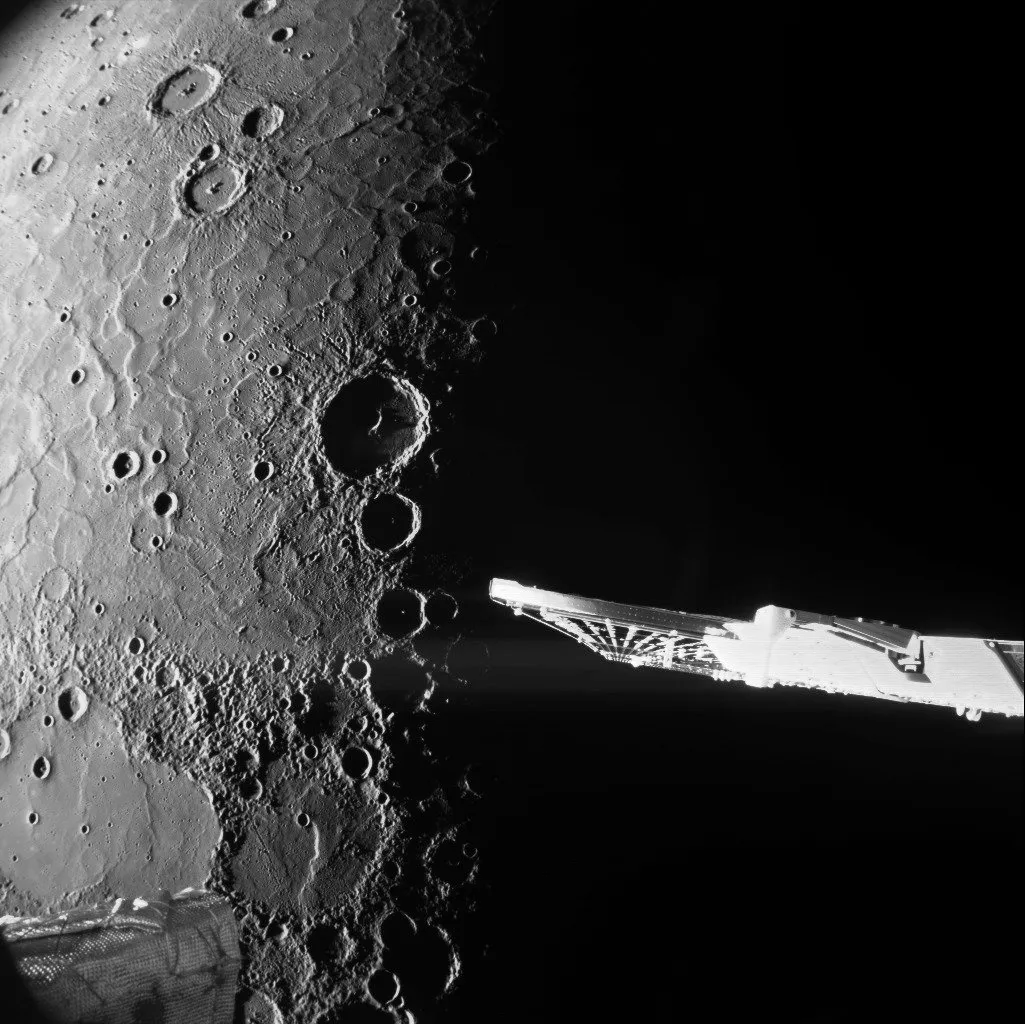
Europe and Japan park $2B twin probes at Mercury after eight years
BepiColombo's arrival ends an eight-year, $2 billion cruise and hands Europe and Japan a multi-year data edge on the solar system's least-studied planet.
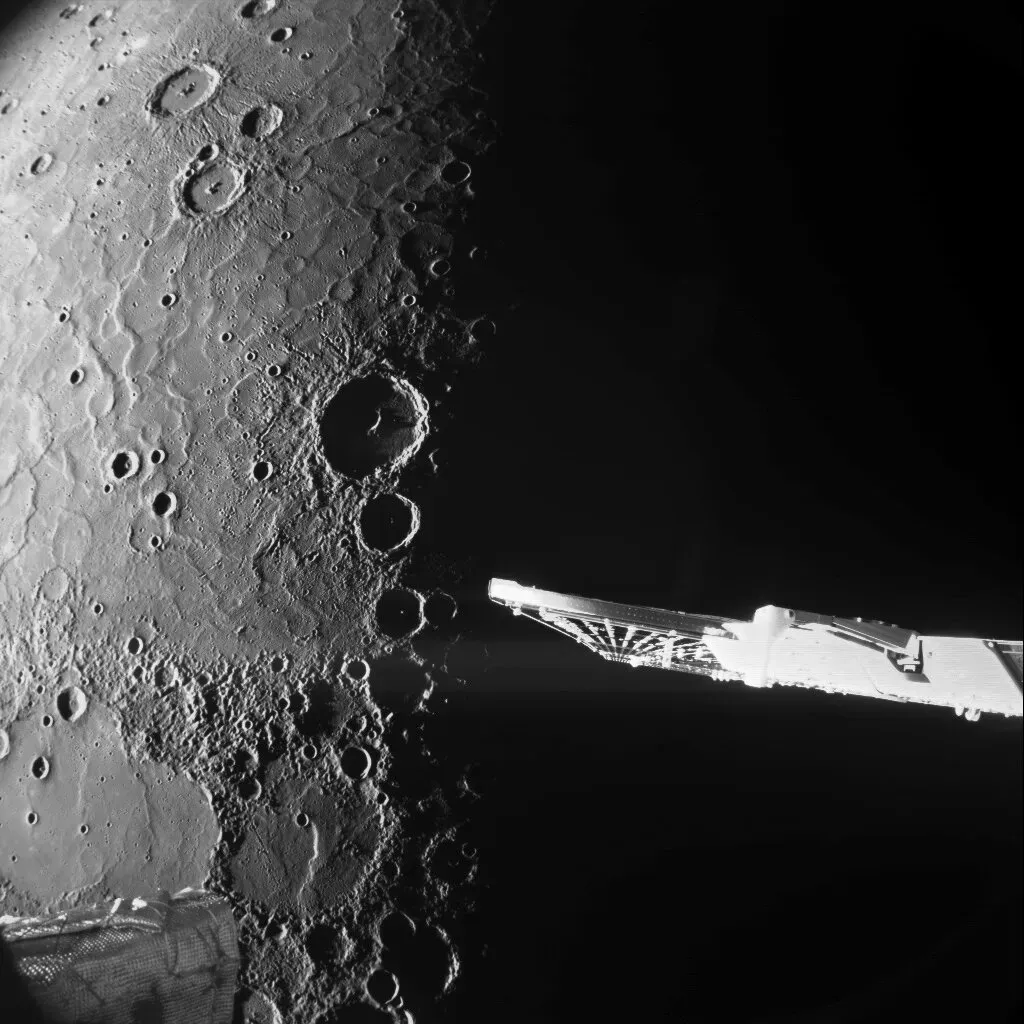
BepiColombo becomes only the second spacecraft ever to orbit Mercury
The international mission reaches the planet closest to the sun, giving scientists a rare second set of eyes and giving operators a case study in long-horizon R&D.

COP31 stalls as countries weigh forcing a Saudi showdown on fossil fuels
Two weeks of UN climate talks in Turkey have overrun without a deal, and the decision now facing governments will shape energy costs, transition timelines and capital allocation for years.