
Biden's Ex-Campaign Chief Is Gathering 2028 Aides. Alex Soros Is Helping Pay
Jen O'Malley Dillon, who ran Biden's last two White House bids, is convening top Democratic operatives with megadonor money behind it, an early signal that the 2028 talent and cash markets are already moving.
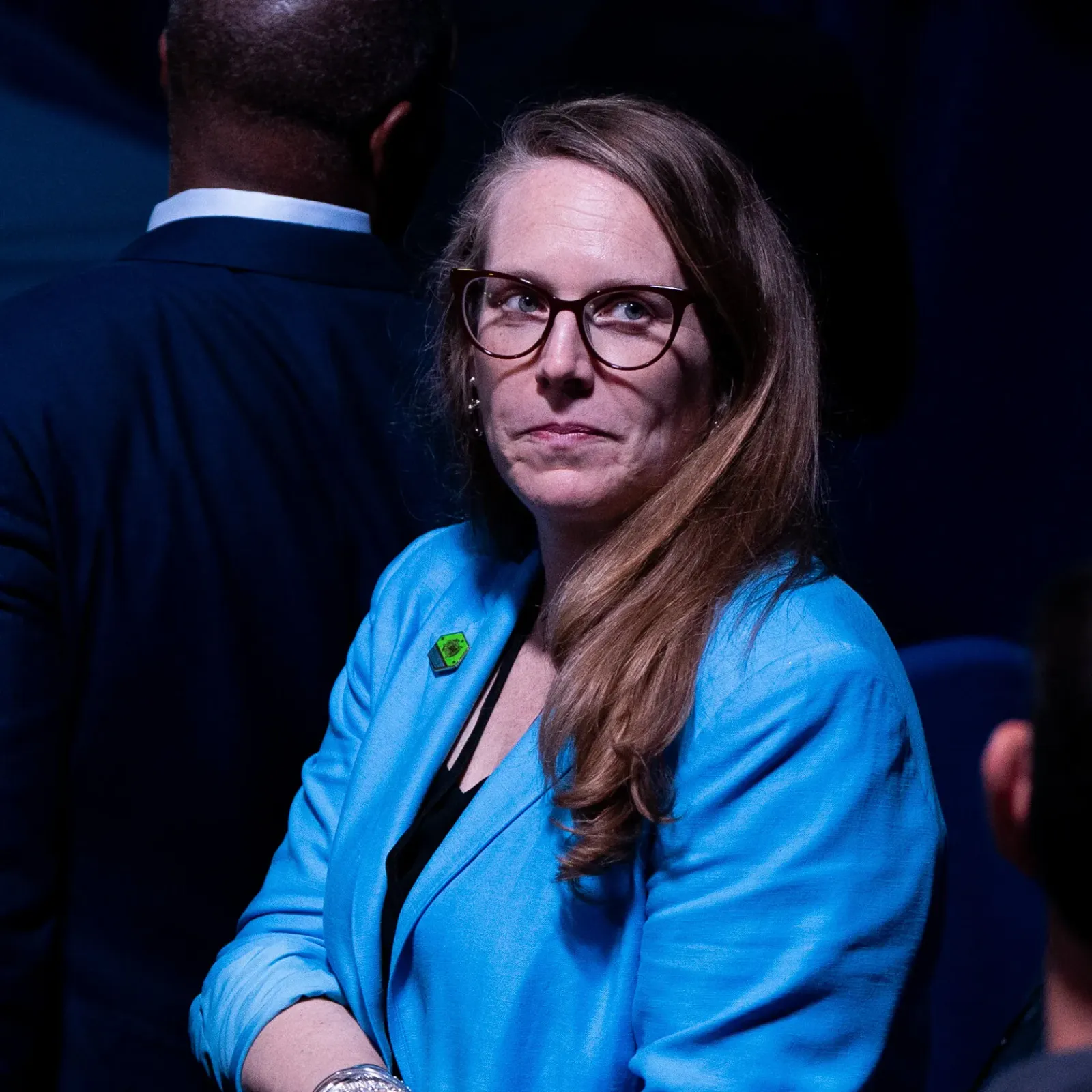
Jen O'Malley Dillon, who led Joe Biden's last two White House campaigns and served as his White House chief of staff, is inviting top Democratic operatives to a gathering funded in part by megadonor Alex Soros. The move matters because presidential campaigns are staffed and financed years before launch, and whoever convenes the operatives and the money first shapes the field everyone else has to run in.
Jen O'Malley Dillon, the operative who ran Joe Biden's last two White House campaigns and later served as his White House chief of staff, is inviting top Democratic operatives to a gathering funded in part by the megadonor Alex Soros. That is the whole of the reported facts, and it is enough to make a lot of people in Democratic politics check their calendars twice.
Here is why a guest list matters more than it sounds. Presidential campaigns are not assembled in the year before the election. They are assembled years earlier, in rooms exactly like this one, by the small group of people who know how to build a field program, stand up a finance operation, run a delegate math exercise, and survive a primary debate cycle. The consultants, strategists and state directors who take those jobs are the scarcest input in presidential politics. Lock them up early and a candidate starts with a machine; wait and you are bidding for the second team. A gathering convened by the person who ran the last two Biden bids is, functionally, a talent market clearing session.
O'Malley Dillon's call gets answered for a simple reason: her résumé is the most recent one that ends in a general election. She led both of Biden's last two White House bids, which means she has hired, fired, organized and spent at the highest level of the party in back-to-back cycles. Operatives weigh that. Working for someone who has run the real thing is a career accelerant, and the person who ran it is the natural first phone call when a would-be candidate starts asking who should run their campaign.
The funding is the second half of the story, and arguably the more interesting one. Alex Soros is a megadonor, and the source describes his money as covering part of the gathering's cost. Donor money that flows to a convening rather than to a candidate is money spent on infrastructure, relationships and optionality. It does not commit anyone to a name on a ballot. It buys proximity to the people who will run the eventual campaigns, and it lets a donor shape a field before a single announcement speech is written, without publicly picking a horse. For context, major donors in both parties have historically used early, low-profile spending on networks, think tanks and talent pipelines as a way to build influence that only becomes visible once the race actually starts.
What this does not do is settle anything. A convening is not an endorsement, and nobody named in the report has declared a candidacy. The operatives being invited have every incentive to hedge, meeting everyone, committing to no one, and keeping their options open until the field clarifies. Nor does the report specify which operatives are being invited, how many, where the gathering will be held, or when. Those gaps are precisely what the political class will spend the coming weeks trying to fill, because the answers would tell you who is being taken seriously.
Zoom out and the structural logic is familiar. Both parties run on what operatives call an invisible primary: the long, unglamorous stretch in which endorsements, donor commitments, early-state relationships and staff loyalty are accumulated well before voting starts. The visible primary gets the coverage. The invisible one usually decides it, because the candidate who enters with the best-funded, best-staffed operation tends to be the one who survives the first two states. A single gathering funded in part by a megadonor does not decide a nomination. But it is a data point that the invisible primary has a host, and that hosting it is itself a form of power.
For anyone whose business touches politics, policy or regulated industries, the practical takeaway is timing. The people who will run the next Democratic presidential campaign are being identified now, and the donors who will write the biggest checks are being organized now. Corporate government-affairs teams, trade associations and political committees that wait for a formal launch will be dealing with a locked-in staff and a locked-in donor list. The earlier read is who shows up, who hosts, and whose money pays for the room.
And there is a broader signal in the fact that this is being reported at all. A gathering, funded partly by a donor with a famous name and convened by a former White House chief of staff, is the kind of event that used to happen entirely off the record for months before anyone noticed. The fact that it is visible this early suggests the next cycle's jockeying has already begun in earnest, whether or not any of the candidates are ready to say so.
This story's Key Insights and Take-aways are locked.
Create a free account to unlock Executive Actions for one credit.
Register to UnlockAlways free for Executives Club members. Join the Club
More in Politics

Fifth Circuit Kills Pregnant Workers' Law Over Pandemic Proxy Votes
A procedural ruling, not a policy one, has blocked a federal pregnancy-accommodation law and put every pandemic-era statute in the crosshairs ahead of an expected Supreme Court appeal.

Measles kills a Virginia child under 5, the state's first death of 2026
Virginia's health department confirmed the death but withheld the child's vaccination status, leaving schools, clinics and employers to plan around the one detail that would explain the most.

Former Brazilian President Bolsonaro Hospitalized with Intestinal Obstruction
The health status of the former far-right leader raises immediate questions about political stability and the trajectory of Brazil's conservative movement.