
Brexit Is Back on the Agenda, and the Nerves Are About What Comes Next
The names and arguments that defined Britain's EU exit are resurfacing, and the question for operators and investors is what a reopened debate does to UK risk.
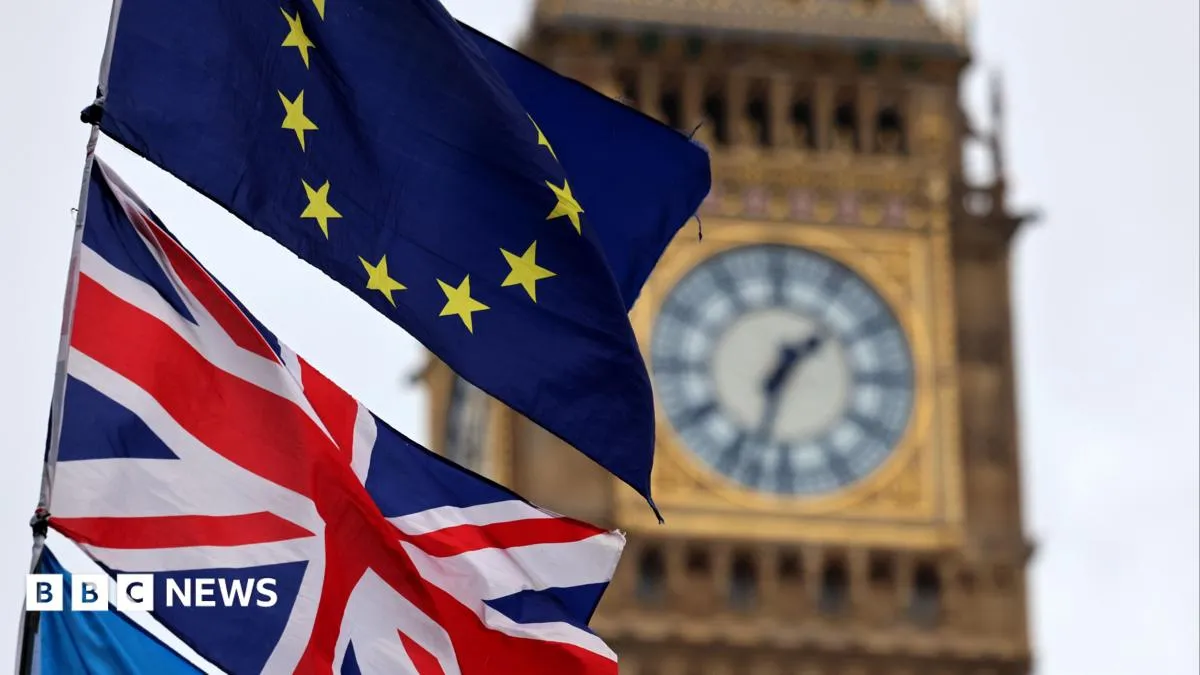
The Brexit debate is back on the UK political agenda, with many of the names and arguments that defined the original period re-emerging, according to BBC News political coverage. For decision-makers, the consequence is a reopened question mark over the durability of the UK-EU settlement, which feeds directly into investment, compliance and footprint planning.
The Brexit debate is back on the agenda in British politics, and the names and arguments that defined the original fight are re-emerging with it. That is the headline fact, and it is worth being precise about what it does and does not say. There is no new treaty on the table in the reporting. What has changed is that the question of the UK's relationship with the European Union is once again a live subject of political argument, and the people making that argument are largely the same people who made it the first time.
The second half of the story is the part that should get an operator's attention: nerves about what happens next. Reopening a question that was treated as closed does not simply restart a debate. It restarts uncertainty, and uncertainty is what boards, lenders and currency markets price first. When the cast of a previous fight returns, the market's reasonable assumption is that the previous fight's risks can return with it.
For context on what is actually at stake: the UK left the EU on 31 January 2020, and the transition period ended on 31 December 2020. The relationship has since been governed by the Trade and Cooperation Agreement, a deal that removed tariffs on goods but did not remove the friction around them. Customs declarations, rules of origin, sanitary and phytosanitary checks and conformity assessment all became part of routine trade. Services, which account for the large majority of the UK economy, sit largely outside the agreement's scope, which is why financial and professional services firms have spent years building workarounds rather than enjoying a single market. Northern Ireland trades under bespoke arrangements that were renegotiated after the original protocol proved politically unworkable.
That is the baseline. The reason a returning debate creates nerves rather than nostalgia is that both directions carry costs. Moving closer to the EU means accepting rules the UK no longer helps write. Moving further away means more divergence, more paperwork and, typically, more friction at the border. Trade agreements of this kind usually include review and consultation machinery rather than being fixed forever, which means the relationship is a standing agenda item even in quiet years. Quiet years, evidently, are over.
The second-order effects are where this gets expensive. Divergence is not a one-time adjustment; it compounds. Every year the two rulebooks drift further apart, and every year a company selling into both markets has to reconcile two sets of product standards, two data regimes, two sets of professional qualifications and two hiring pipelines. Firms that budgeted for a single Brexit hit and moved on may find themselves funding a slow, permanent tax on complexity. That cost rarely shows up as one line item. It shows up as slower launches, duplicated compliance teams and markets quietly deprioritised.
There is also a competitive dimension that gets less attention than the politics. The EU continues to legislate, and its rules increasingly set the global default for everything from product safety to digital markets. A UK that diverges gains flexibility but loses the ability to shape the standard its exporters must meet anyway. A UK that aligns gains access but gives up the regulatory autonomy that was the point of leaving. Neither answer is free, and the debate now returning is essentially an argument about which bill to pay.
For executives, the practical question is not which side wins a Westminster argument. It is what a reopened debate does to planning assumptions. Historically, UK assets and the pound have been sensitive to Brexit headlines, and corporate investment decisions have been sensitive to the perceived durability of the settlement. If the settlement is being questioned again, then the durability assumption deserves a second look. That does not mean panic. It means knowing, precisely, which parts of your business depend on the current arrangement: where your goods cross a border, where your staff need mobility, where your data flows, where your regulatory approvals are recognised.
Watch for concrete signals rather than volume. A returning cast of names and arguments is a political fact, not yet a policy one. The signals that matter are whether the debate produces a formal process, whether business groups are brought into it, whether Brussels engages, and whether any of it reaches the point of a negotiating mandate. Until then, the honest read is the one the reporting gives: the debate is back, and the nerves are about what happens next.
The strategic takeaway for peers in similar seats is uncomfortable but simple. You do not need to forecast the outcome of a reopened Brexit argument to protect yourself from it. You need to know your exposure, keep optionality in your footprint, and avoid building a multi-year plan on the assumption that a contested settlement is a permanent one. The debate is back. The cost of being surprised by it is higher than the cost of paying attention.
This story's Key Insights and Take-aways are locked.
Create a free account to unlock Executive Actions for one credit.
Register to UnlockAlways free for Executives Club members. Join the Club
More in Politics
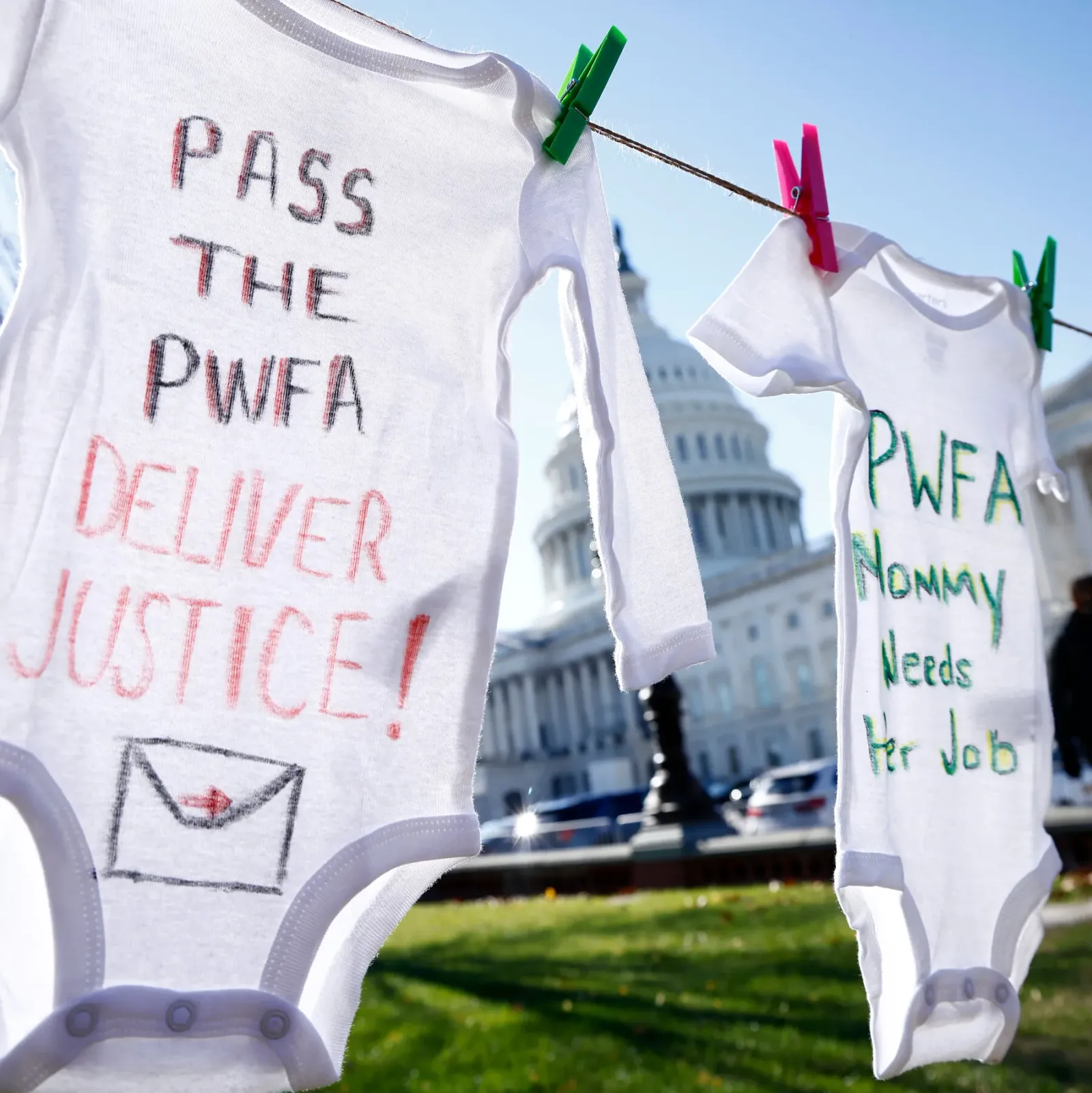
Fifth Circuit Kills Pregnant Workers' Law Over Pandemic Proxy Votes
A procedural ruling, not a policy one, has blocked a federal pregnancy-accommodation law and put every pandemic-era statute in the crosshairs ahead of an expected Supreme Court appeal.

Measles kills a Virginia child under 5, the state's first death of 2026
Virginia's health department confirmed the death but withheld the child's vaccination status, leaving schools, clinics and employers to plan around the one detail that would explain the most.

Former Brazilian President Bolsonaro Hospitalized with Intestinal Obstruction
The health status of the former far-right leader raises immediate questions about political stability and the trajectory of Brazil's conservative movement.