
Burnham's Brussels Test: Second Brexit Summit Lands in a War-Shocked Economy
The UK and EU meet for only the second time since Brexit, with Middle East conflict rattling the global economy and closer ties on the table.
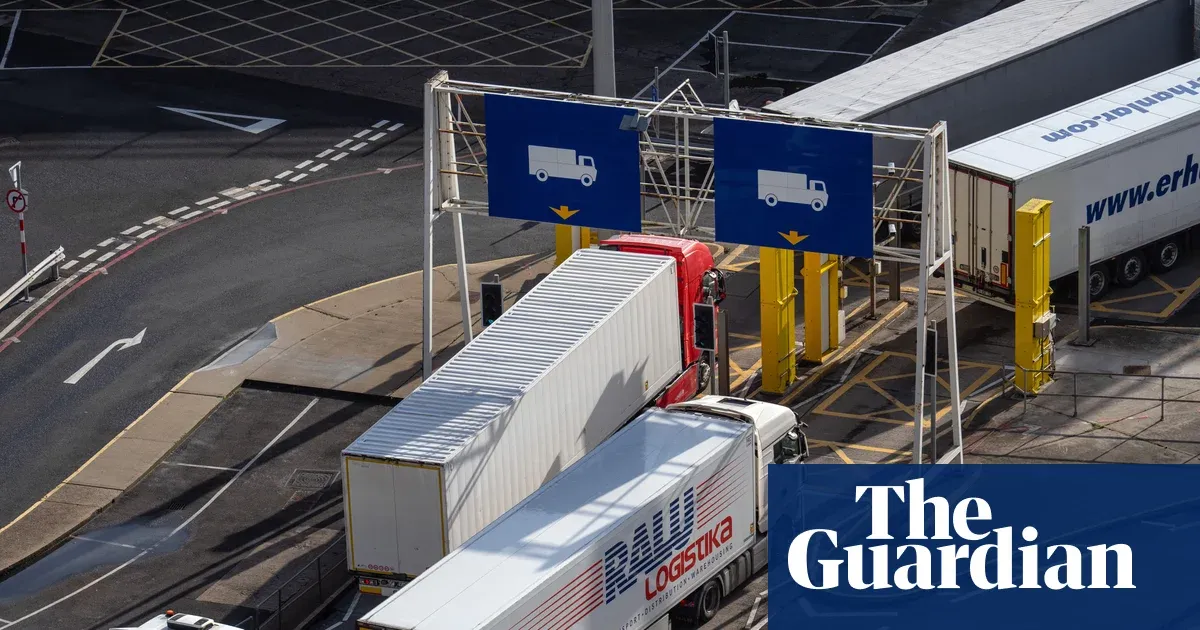
Prime minister Andy Burnham meets European Commission president Ursula von der Leyen and European Council president António Costa in Brussels on Friday for the second UK-EU summit since Brexit. The talks land against a volatile global backdrop shaped by Middle East conflict, leaving both sides with limited room to turn closer relations into the trade-friction relief businesses actually need.
Andy Burnham heads to Brussels on Friday for only the second UK-EU summit since Brexit, and the timing is brutal. The prime minister will meet European Commission president Ursula von der Leyen and European Council president António Costa against a volatile economic backdrop, with war in the Middle East hammering the global economy. The stated goal is closer relations between Britain and the bloc. The question nobody has answered yet is how much closer, on what timetable, and who absorbs the friction that remains.
That this is only the second gathering of its kind since the UK left the EU tells you how young the post-Brexit relationship still is. Summits are the easy part. The hard part is converting warm words into changes businesses can actually feel: fewer customs declarations, lighter veterinary and origin paperwork, clearer rules for services, and a predictable framework for the companies that trade across the Channel every single day. Until that happens, the economics of Brexit stay roughly where they have been, a slow tax on trade intensity that compounds quietly in the background of every board's supply chain review.
For context, the UK voted to leave in 2016, formally departed on 31 January 2020, and began trading under the Trade and Cooperation Agreement on 1 January 2021. That deal kept tariffs at zero for goods meeting rules of origin, but it did not keep trade frictionless. Exporters now file customs declarations, prove where inputs came from, and absorb inspections that did not exist inside the single market. Services, the UK's largest export engine, got far thinner coverage than goods. Northern Ireland ended up with a bespoke arrangement after years of wrangling. Independent forecasters have typically estimated the long-run drag on productivity and trade intensity in the low single digits of GDP, though the precise figure is contested and depends heavily on the assumptions used.
The Middle East war adds a second layer of pressure. Conflict in that region usually reaches Europe through energy prices, shipping and insurance costs, and inflation expectations. When major trade lanes are disrupted, freight rates spike and delivery times stretch. When energy prices get volatile, central banks hesitate, and governments find their fiscal room shrinking. Both delegations arrive in Brussels with less capacity to cushion any adjustment than they would like, which raises the political cost of every concession either side might offer.
For companies, the practical question is regulatory, not rhetorical. Divergence is expensive. A business selling into both markets typically runs two compliance regimes, duplicates testing and certification, and holds split inventories to satisfy two sets of rules. Any movement toward mutual recognition, whether on food safety standards, professional qualifications, or carbon accounting, cuts cost directly and immediately. That is why the technical agenda matters more than the closing communique. A joint statement is cheap. A negotiating mandate is not, and mandates are what actually change the paperwork on a finance director's desk.
The politics on both sides are awkward. Burnham carries domestic constraints, including constituencies that read any alignment with Brussels as a reversal. The EU has 27 member states, each with its own exporters, farmers, and fishermen to protect. Leverage is asymmetric: the bloc is the larger market, and any deal has to be ratified across capitals. Historically, that asymmetry has meant the EU moves slowly and asks for dynamic alignment in return for access, while the UK asks for access without the obligations. Neither instinct has changed much since 2021.
So what should operators watch? Three things. First, whether the summit produces a mandate for technical negotiations or merely a photo opportunity. Second, whether any agreement touches services, where the UK runs a surplus and where barriers are hardest to remove. Third, whether defence and security cooperation gets bundled with trade, which would change the political arithmetic in both capitals. For a CFO deciding where to build the next plant, or a founder choosing between London and Dublin, the signal matters more than the ceremony.
None of this resolves on Friday. A second summit is a test of whether the relationship can shift from managing a divorce to building something new. The backdrop is hostile: a war shaking global trade, stretched public finances, and electorates on both sides with little appetite for grand bargains. The prize, though, is real. Lower friction across the Channel is one of the few growth levers available to a UK government that cannot simply print demand. Whether Brussels agrees to pull it is the open question, and the answer will show up in customs forms long before it shows up in a headline.
This story's Key Insights and Take-aways are locked.
Create a free account to unlock Executive Actions for one credit.
Register to UnlockAlways free for Executives Club members. Join the Club
More in Politics

Fifth Circuit Kills Pregnant Workers' Law Over Pandemic Proxy Votes
A procedural ruling, not a policy one, has blocked a federal pregnancy-accommodation law and put every pandemic-era statute in the crosshairs ahead of an expected Supreme Court appeal.

Measles kills a Virginia child under 5, the state's first death of 2026
Virginia's health department confirmed the death but withheld the child's vaccination status, leaving schools, clinics and employers to plan around the one detail that would explain the most.

Former Brazilian President Bolsonaro Hospitalized with Intestinal Obstruction
The health status of the former far-right leader raises immediate questions about political stability and the trajectory of Brazil's conservative movement.