
CAA's Bryan Lourd: Congress must pass No Fakes Act, send it to Trump
The CAA chief used a New York Times guest essay to push a federal ban on nonconsensual digital replicas, arguing the protection matters for famous and unknown Americans alike.
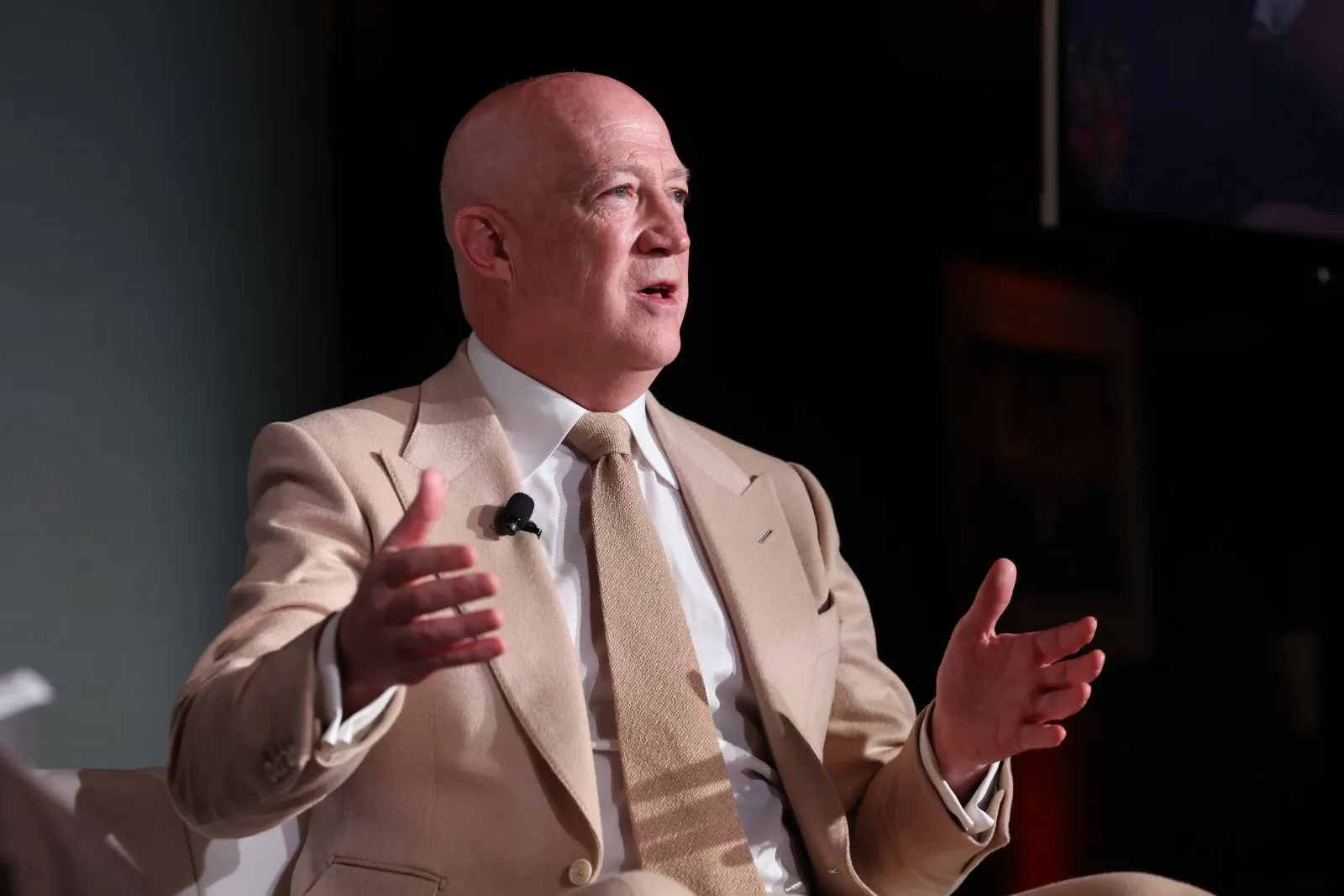
CAA chief Bryan Lourd urged the full Congress to pass the No Fakes Act and send it to President Trump for signature, using a New York Times guest essay to argue that nonconsensual digital replicas of voices and likenesses should be illegal for everyone, famous or not. For media, AI, and advertising executives, the push signals a potential federal consent standard for likeness rights that would reshape talent deals, training data, and platform compliance.
Bryan Lourd, the CAA chief, is not waiting for the AI replica fight to sort itself out inside studio conference rooms. In a guest essay published today in The New York Times, Lourd urged the full Congress to pass the No Fakes Act and send it to President Trump for signature. His case is simple: the law would protect everyone from nonconsensual digital replicas of their voices and likenesses, "famous or not." That phrase is the tell. Lourd runs a talent agency whose clients are among the most recognizable people in the world, but he is asking Washington to set a baseline that applies beyond the red carpet. The ask is not a vague call for AI safety. It is a specific legislative demand: pass the bill, put it on the president's desk, and make consent the rule.
The procedural specificity matters. A bill that dies in committee or stalls before a floor vote changes nothing for a talent agency, a studio, or a platform. A bill that reaches Trump's desk creates a federal standard that companies would have to design around. For executives, the signal is that the AI likeness fight has moved from contract negotiations and state-level rules onto the federal calendar. Lourd is using one of the most visible op-ed pages in the country to argue that the current mix of private deals, platform policies, and state rules is not enough. He wants Congress to act, and he wants it to act now.
The No Fakes Act, as the source frames it, targets nonconsensual digital replicas: versions of a person's voice or appearance generated or manipulated by AI and used without permission. The phrase "famous or not" is doing real work. Celebrities have agents, lawyers, and leverage. Most Americans do not. A federal law would, in theory, give ordinary people the same baseline protection against a cloned voice or a fabricated image, while giving companies a clearer rulebook for consent and licensing. That is the trade Lourd is selling: stronger individual rights, but also a more predictable market for anyone who wants to use likenesses legitimately.
Why is the head of CAA spending political capital on this? Because talent agencies sit at the intersection of a client's commercial value and their personal identity. For actors, musicians, athletes, and creators, voice and likeness are inventory. A digital replica can be licensed for a film, a game, an ad, or a virtual appearance. It can also be stolen, cloned, and used to sell something the person would never endorse. If unauthorized replicas flood the market, the value of authorized ones gets muddied, and clients face reputational harm they cannot fully control. Lourd's essay puts CAA on record: consent should be the default, not an afterthought.
For context, the United States has historically relied on a patchwork of state publicity rights, copyright law, contract terms, and platform policies to govern likenesses and voices. That system is workable for well-lawyered deals and messy for everyone else. It is also hard to apply consistently when AI tools can generate a convincing voice clone quickly. A federal statute could reduce compliance uncertainty for studios, advertisers, publishers, and AI developers, but it would also create new obligations. Companies would need to think about consent, provenance, disclosure, and takedown. The details will decide whether the law is a shield for individuals or a compliance burden that favors the biggest players.
Lourd is pressing the full Congress, not just one chamber. That matters because the path from a guest essay to a presidential signature runs through committee markups, floor votes, and negotiation between the House and Senate. The source does not say where the bill currently stands, which sponsors are driving it, or when a vote might happen. What is clear is the pressure point: Lourd wants the bill delivered to Trump, and he is using a high-profile essay to make inaction costlier. If the bill stalls, the underlying problem does not disappear. State lawmakers, litigants, and private dealmakers will keep filling the vacuum, often with inconsistent results.
For executives, the practical question is not whether AI replicas are coming. It is who controls consent and who pays when it is ignored. Media companies should know where voice and likeness data enters their supply chain: in casting, advertising, games, training data, and vendor tools. AI developers should expect tougher diligence from partners who do not want to be holding a stolen likeness. Talent agencies and producers should build consent, scope, and termination rights into deals rather than relying on boilerplate. Investors should treat likeness rights as a regulatory risk factor, not a soft legal issue. The companies that map this now will be harder to blindside later.
Lourd's essay is a shot across the bow from one of Hollywood's most powerful dealmakers. It is also a reminder that the AI debate is no longer only about model capabilities or copyright fights over training data. It is about identity, consent, and the commercial value of being yourself. Congress may not move as fast as the technology, and the No Fakes Act may change before it reaches Trump. But the direction of travel is clear enough for boards to act: treat voice and likeness as governed assets, document permission, and assume that the rules will get stricter. Lourd has made his ask. The companies that ignore it are volunteering for the sequel.
This story's Key Insights and Take-aways are locked.
Create a free account to unlock Executive Actions for one credit.
Register to UnlockAlways free for Executives Club members. Join the Club
More in Politics
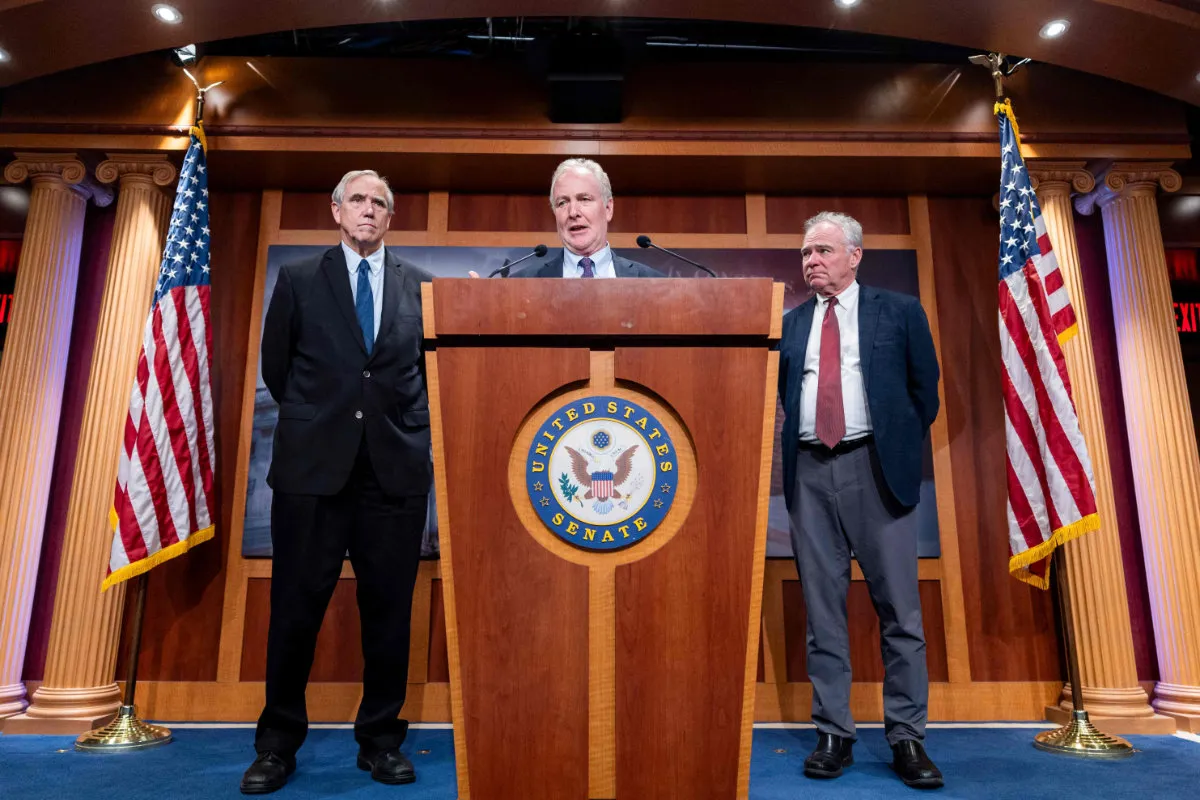
Thirteen Freshman Senators Just Became Chuck Schumer's Toughest Test
Democrats' newest class votes on Senate leadership before being sworn in, and the choice between Chuck Schumer and challenger Chris Van Hollen will set how hard the party fights.
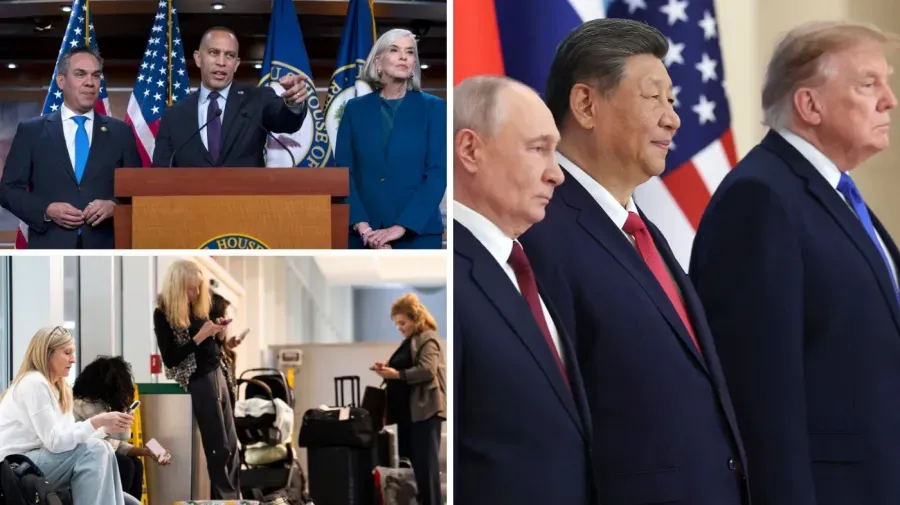
Democrats Nominate Jeffries for Speaker, Teeing Up a Historic First
House Democrats' leadership slate delivers two firsts in one week, and it lands as Trump's security agenda heads to the Sunday shows.
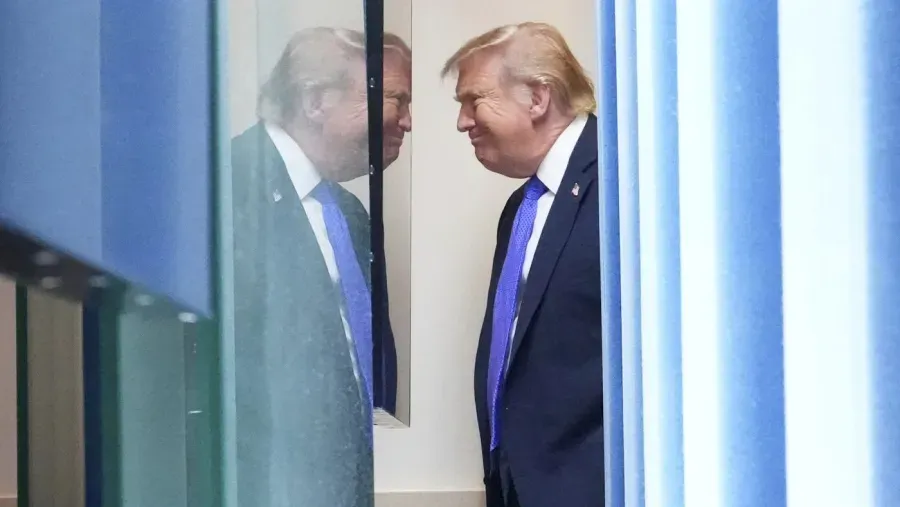
Musk Says He Is 'Not MAGA' as Trump's Coalition Heads for the Exit
The most notable defection yet lands after a midterm thumping, and the question for every operator is how fast the next names follow.