
Musk Says He Is 'Not MAGA' as Trump's Coalition Heads for the Exit
The most notable defection yet lands after a midterm thumping, and the question for every operator is how fast the next names follow.
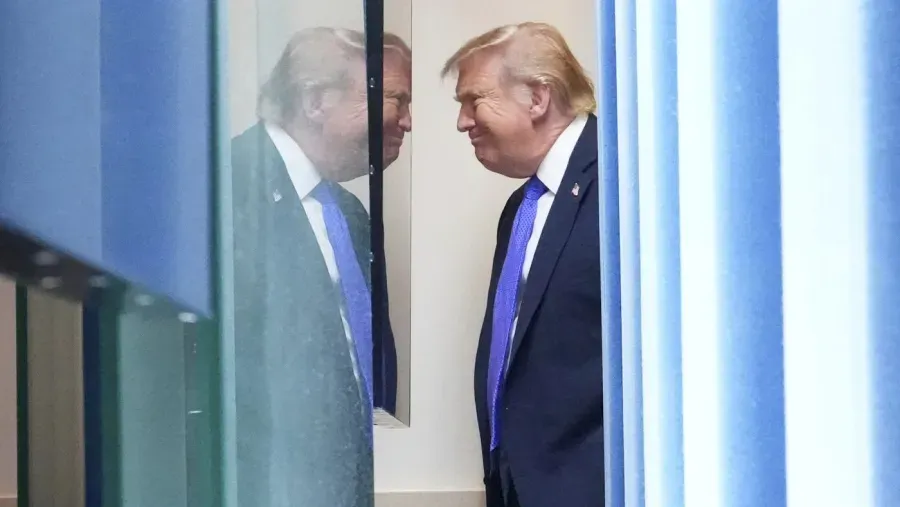
Elon Musk has declared he is "not MAGA," a 180-degree reversal from where he stood after Trump's inauguration, and The Hill frames it as the most notable example of MAGA stalwarts fleeing after a midterm thumping. For executives, the signal is that political brand affiliation has flipped from an access asset into a live liability, and it is now being repriced in public.
Elon Musk says he is "not MAGA." That sentence, flat and final, is the loudest crack yet in President Trump's hold on the coalition that carried him, and it lands after a midterm election bad enough that the reporting calls it a thumping. For anyone who watched Musk stand with Trump around the inauguration, this is not a nuance or a clarification. It is a 180-degree turn. And per the reporting, Musk is not the only one: stalwarts of the Make America Great Again movement are heading for the exits, and his statement is simply the most notable example of a pattern.
The first thing to understand is what a defection like this actually measures. Political coalitions in the modern era are not run like parties so much as like brand networks. They need three things to function: money, attention, and the visible endorsement of people whose own names carry weight. A marquee business figure is worth more to that network than a dozen anonymous donors, because his association signals to everyone watching that the movement is still where the smart money and the serious people stand. When that figure publicly detaches, he does not just withdraw his own name. He removes a piece of the coalition's proof of momentum, and momentum is the only currency a movement really has between elections.
The timing is doing a lot of work here. A midterm thumping is the classic stress test for any president's grip on his own party, historically speaking. Members who won comfortably start calculating their own futures. Donors who wrote checks on the assumption of durable power start asking what the return looks like. And the figures who attached themselves to the brand for access start wondering whether the access is still worth the association. That is not a moral judgment about anyone involved. It is the ordinary arithmetic of politics, and it tends to run on a lag: the loudest exits come months after the losses, once the results are undeniable and the cost of staying quiet starts rising. What The Hill is describing is that lag period arriving. Note also the shape of it: this is framed as a test of Trump's grip, not a collapse of it. Those are very different things, and the distinction is where the real story lives.
For Musk specifically, the reversal reads as both personal and commercial, because he is a business figure first. His "not MAGA" line is not a policy position or a legislative fight. It is a label refusal, which is a subtler and often more consequential move. Labels are how audiences file you. A founder who lets a political brand become part of his own is making an implicit bet that the association will cost him less than it gains him. That bet gets re-underwritten constantly, and it gets re-underwritten hardest when the political side of the ledger just took a visible loss. The same logic applies to any executive who has spent the last few years being photographed, quoted, or filed next to a political movement. The association was cheap when the movement was winning. It gets expensive when the movement is losing, and it gets expensive fast, because the people who were indifferent before suddenly have an opinion.
This is also where the second-order effects start compounding. Political networks run on access, and access is a perishable good. When marquee names visibly distance themselves, the practical consequences show up in three places: fundraising, recruiting, and the willingness of other prominent figures to go on the record. Each of those runs on confidence about who is still in. A single high-profile exit does not break a coalition. But it changes the calculus for the next person, because it removes the fear of being first. That is why the most notable defection is almost never the last one, and why the weeks after it matter more than the statement itself.
For context, this dynamic is not unique to any one movement. Coalitions built around a single dominant figure historically face their sharpest internal tests in the period after their side loses an election, when the figure's ability to reward allies and punish critics is at its least certain. The question is never whether everyone leaves at once. It is whether the exits are quiet or loud, and whether they cluster. Loud exits are a signal to everyone on the fence. Clustered exits are a signal to the other side. What makes the current moment worth tracking is that Musk's statement is unambiguously loud, and the reporting frames it as representative rather than isolated.
So what should a leader actually watch from here? Three things. First, whether the next prominent departure is another business figure or a political one, because the two carry different weight and only one of them suggests this is a commercial calculation spreading. Second, whether the exits stay verbal or become structural: distancing language is cheap, while withdrawing money, endorsements, or public appearances is not. Third, how the coalition responds, because movements that are confident tend to ignore defections, and movements that are worried tend to overreact to them. The reaction is often more informative than the defection.
The strategic stakes for executives are straightforward and unglamorous. Political association is now a risk to be managed with the same discipline as any other exposure on the balance sheet: sized, monitored, and reviewed when conditions change. The Musk episode is a reminder that the review point is not when the news breaks. It is well before, when the underlying conditions that made the association attractive in the first place have already started to shift.
This story's Key Insights and Take-aways are locked.
Create a free account to unlock Executive Actions for one credit.
Register to UnlockAlways free for Executives Club members. Join the Club
More in Politics
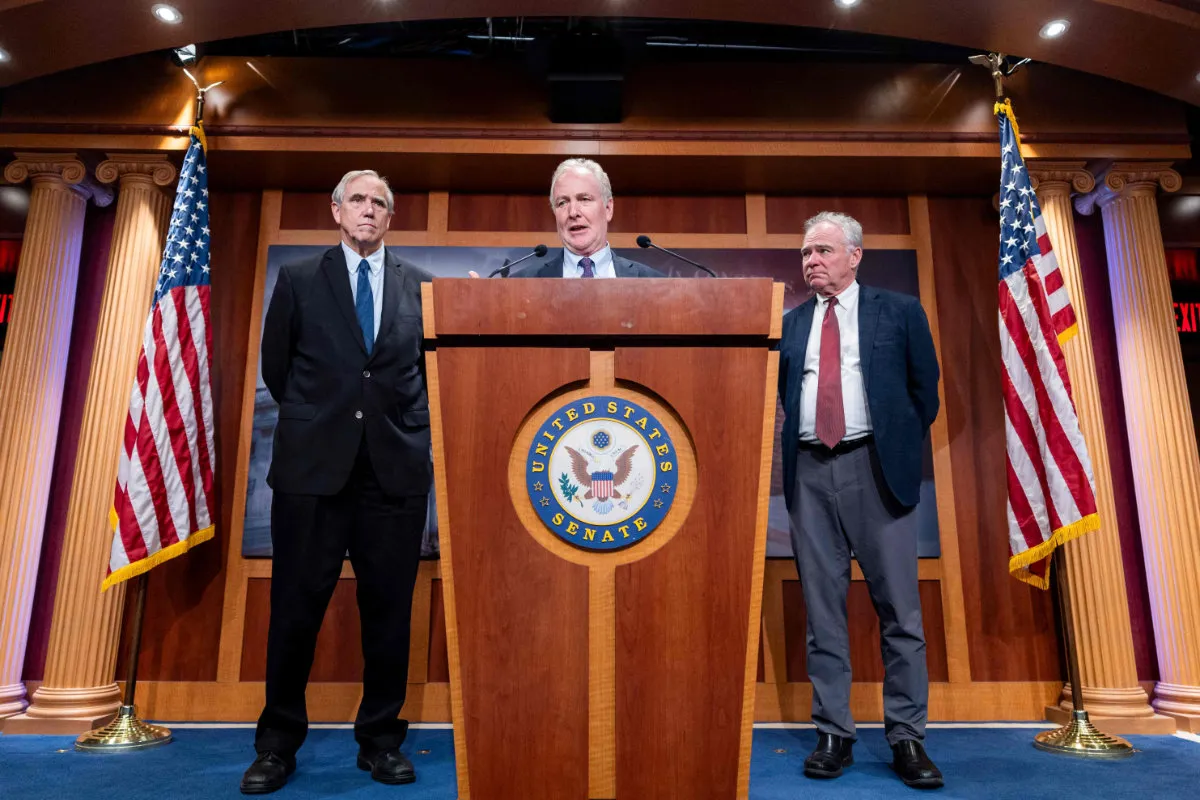
Thirteen Freshman Senators Just Became Chuck Schumer's Toughest Test
Democrats' newest class votes on Senate leadership before being sworn in, and the choice between Chuck Schumer and challenger Chris Van Hollen will set how hard the party fights.
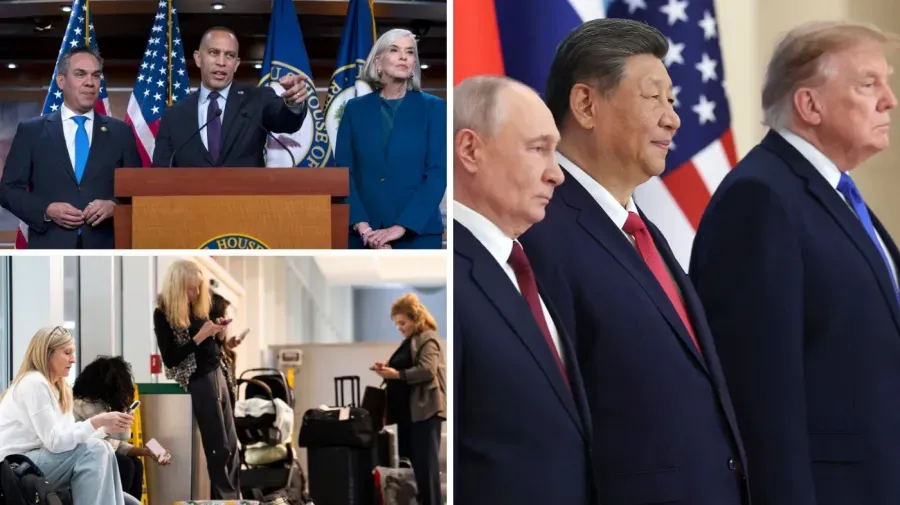
Democrats Nominate Jeffries for Speaker, Teeing Up a Historic First
House Democrats' leadership slate delivers two firsts in one week, and it lands as Trump's security agenda heads to the Sunday shows.
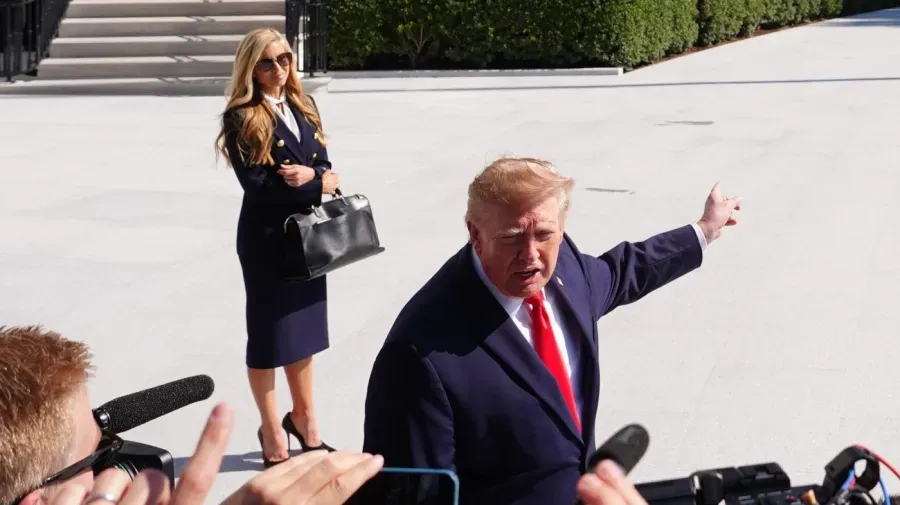
Trump tells Zacharia 'you don't need this' as California bar investigates
A friendly Fox News call reframes a quick White House exit, but the state bar clock runs on a very different schedule than the news cycle.