
Trump tells Zacharia 'you don't need this' as California bar investigates
A friendly Fox News call reframes a quick White House exit, but the state bar clock runs on a very different schedule than the news cycle.
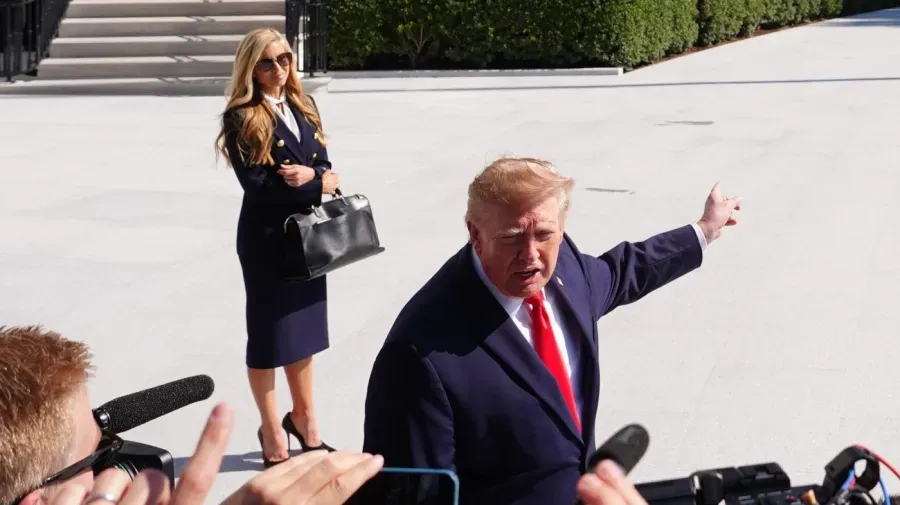
President Trump defended former White House Press Secretary Katie Zacharia's quick exit in a Saturday phone interview with Fox News' Kayleigh McEnany, saying "Katie, you don't need this," as a California state bar investigation proceeds. For executives, the case is a live example of how a reputational response and a regulatory process can collide, and why the two must be staffed separately.
President Trump used a Saturday phone interview with Fox News' Kayleigh McEnany to do what he has done for allies before: turn a departure into a defense. "I saw the way she was being treated and I said, 'Katie, you don't need this,'" Trump said of Katie Zacharia, the former White House press secretary who left the role earlier this fall. The call was not a policy interview. It was a character reference, delivered on one of the most-watched platforms in conservative media, and it landed as Zacharia faces a California state bar investigation.
That pairing is the story. A quick exit from the most exposed communications job in American politics is, on its own, a familiar Washington rhythm. A state bar investigation is not. One is a political event measured in news cycles. The other is a professional-licensing process measured in months, sometimes years, and it follows a person into future roles that require a license to practice. The source material does not detail the scope of the inquiry, and state bar proceedings are typically confidential until they are not. What is clear is that the two tracks are now running at the same time, and Trump has chosen to speak into the first one.
The job itself explains part of the volatility. The White House press secretary role is historically one of the shortest-tenured senior positions in any administration, a post where the daily briefing schedule, the adversarial press corps, and the president's own appetite for message control typically grind through occupants faster than almost any other West Wing chair. Quick exits are the norm, not the exception. That is why the exit alone would have been a two-day story. The bar investigation is what gives it a longer tail, because it moves the question from politics to professional standing.
For context on the regulatory side: the State Bar of California is the licensing and disciplinary body for attorneys in the state. It handles complaints, and its process typically moves through intake, investigation, and, in some cases, formal charges before a hearing. Outcomes range from dismissal to private or public discipline to suspension or disbarment. Because the process is often confidential and slow, an investigation can hang over a career far longer than the underlying allegation would suggest. That asymmetry, more than the allegation itself, is what turns a bar matter into a management problem.
The venue matters too. McEnany is a former Trump press secretary herself, now on the other side of the microphone at Fox News. Sitting presidents have long used friendly interviewers to set the terms of a story before adversarial ones can, and a phone call to a former staffer turned host is a low-cost way to define a narrative. The message to the audience is loyalty. The message to anyone tracking the legal thread is that the political thread is being managed.
For executives outside politics, the mechanics travel. Any leader whose role carries a license, a certification, or a fiduciary gatekeeping function faces the same compounding risk: a public exit and a regulatory inquiry run on two different clocks. Communications teams optimize for the first. Legal and compliance teams live with the second. When the two collide, the instinct to litigate the story in public can raise the cost of resolving it in private. Statements made to defend a reputation can become exhibits.
The practical read for boards and C-suites is to separate the workstreams and staff them differently. Let the reputational response run through communications. Let the regulatory response run through counsel. Set one clear rule about who speaks, to whom, and when. The temptation to let a sympathetic interviewer carry the message is real, and sometimes it works. But a licensing body is not a cable audience. It does not reward loyalty, and it does not forget a quote.
Zacharia's next move is the one to watch. A former press secretary typically has options: a book, a network contract, a corporate communications role, or a return to government. Each path carries a different tolerance for an unresolved bar file. Trump's call on Saturday did what it was designed to do, which was to make her exit look like a choice rather than a consequence. Whether that framing holds depends on a process that will not be decided on Fox News.
This story's Key Insights and Take-aways are locked.
Create a free account to unlock Executive Actions for one credit.
Register to UnlockAlways free for Executives Club members. Join the Club
More in Politics
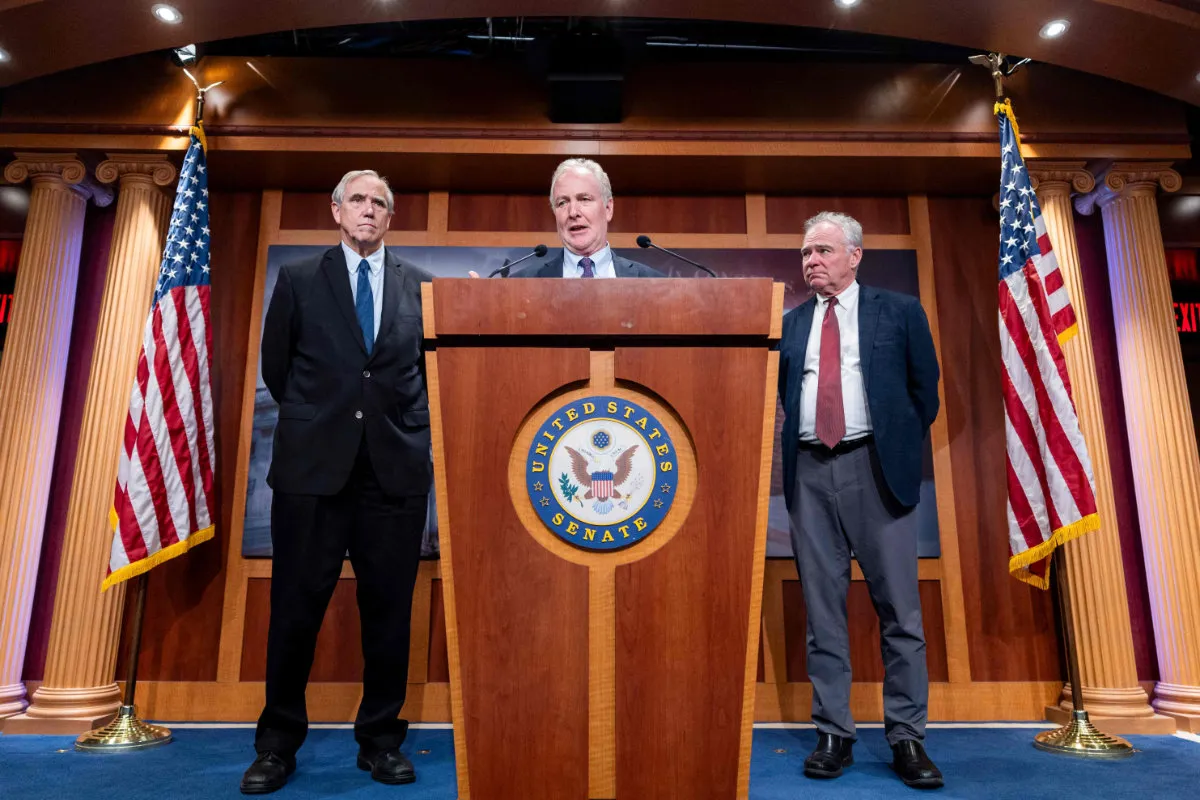
Thirteen Freshman Senators Just Became Chuck Schumer's Toughest Test
Democrats' newest class votes on Senate leadership before being sworn in, and the choice between Chuck Schumer and challenger Chris Van Hollen will set how hard the party fights.
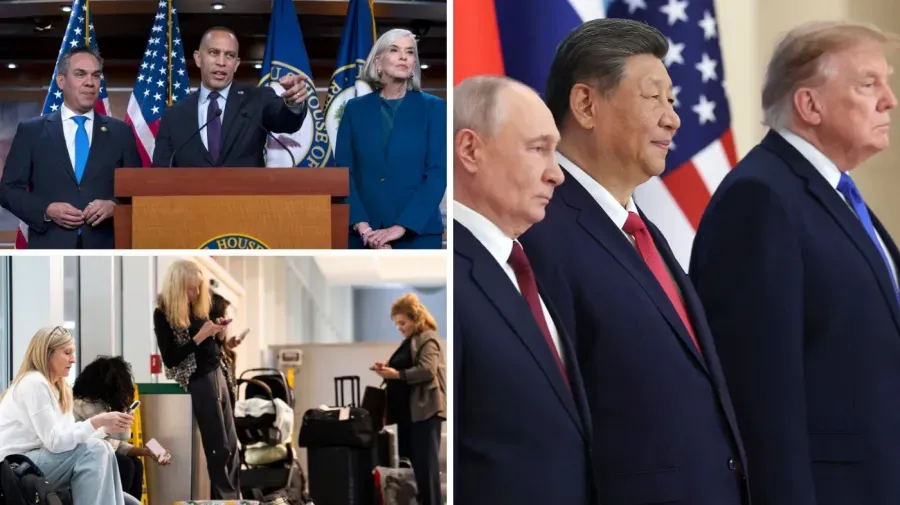
Democrats Nominate Jeffries for Speaker, Teeing Up a Historic First
House Democrats' leadership slate delivers two firsts in one week, and it lands as Trump's security agenda heads to the Sunday shows.
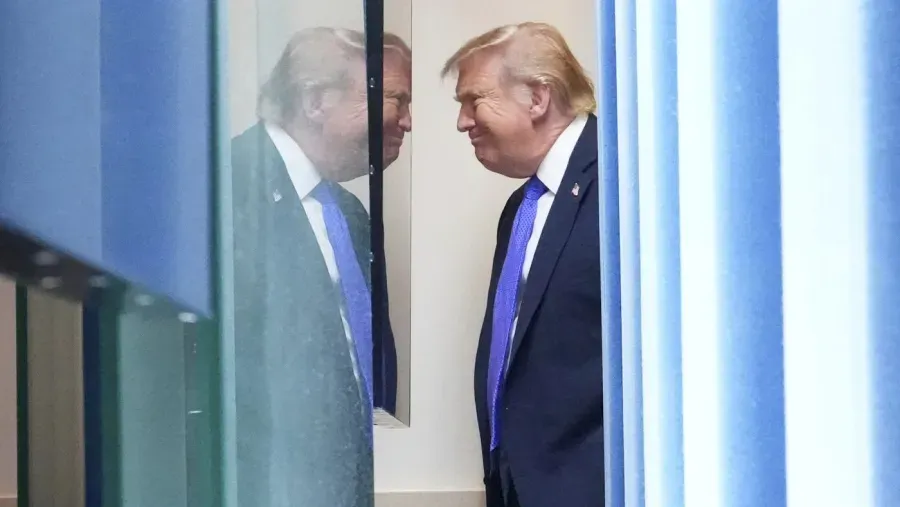
Musk Says He Is 'Not MAGA' as Trump's Coalition Heads for the Exit
The most notable defection yet lands after a midterm thumping, and the question for every operator is how fast the next names follow.