
Casten and Lieu Target Prediction Market Insider Trading With a DOJ Whistleblower Program
The Policing Insider Trading in Prediction Markets Act would give people with knowledge of wrongdoing a formal channel to report it to the Justice Department, opening a new front in Washington's fight over event contracts.
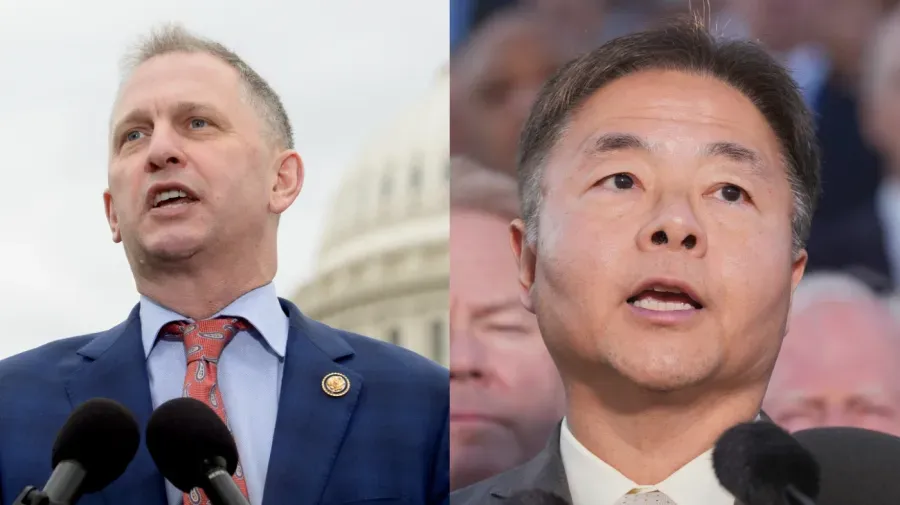
Reps. Sean Casten (D-Ill.) and Ted Lieu (D-Calif.) introduced the Policing Insider Trading in Prediction Markets Act on Friday, creating a Justice Department program for whistleblowers with knowledge of insider trading in prediction markets. For anyone trading or building on event contracts, it signals that Washington is moving from debate to enforcement design.
Reps. Sean Casten (D-Ill.) and Ted Lieu (D-Calif.) introduced legislation Friday that would turn prediction market insiders into the target of a new federal whistleblower program. The bill, the Policing Insider Trading in Prediction Markets Act, would create a program at the Justice Department for people with knowledge of insider trading to come forward and report wrongdoing. It is the pair's attempt to regulate prediction markets and prevent insider trading, and it lands at a moment when event contracts have moved from niche curiosity to a genuinely large pool of money.
The mechanics matter more than the name. Whistleblower programs work by giving people close enough to wrongdoing to see it a reason to talk, and a place to take what they know. The Justice Department program described in the bill would give people with knowledge of insider trading a formal channel to report it. That is a deliberate design choice. Prediction markets are comparatively small, thinly traded, and full of participants who know each other, which historically makes detection hard and silence easy. Enforcement typically depends on someone deciding to speak.
For context on the market itself: event contracts let people take positions on outcomes rather than on companies. Elections, interest rate decisions, sports results, weather, corporate milestones, regulatory rulings. US-regulated venues that list these contracts have historically operated as designated contract markets under Commodity Futures Trading Commission oversight, with the CFTC policing fraud and manipulation under the Commodity Exchange Act. Offshore platforms have typically operated with far less friction. The result is an industry that has grown quickly in volume and public attention while the rulebook has lagged behind it.
Why insider trading is the hard problem here. In equities, an insider is usually defined by role: officers, directors, employees who hold material nonpublic information. In prediction markets, the insider can be almost anyone holding one specific piece of knowledge. A campaign staffer. A hospital administrator. A referee. A supplier who saw the shipping manifest. That makes the universe of potential violators enormous and the paper trail thin. There is no quarterly filing that reveals the trade, and no obvious corporate entity to subpoena. The information asymmetry is the whole product, which is exactly what makes the abuse so hard to separate from ordinary conviction.
There is precedent for the approach. The Securities and Exchange Commission and the CFTC have historically run whistleblower programs that reward tipsters whose information leads to successful enforcement actions, and those programs are generally credited with surfacing cases regulators would not have found on their own. A Justice Department program aimed at prediction markets would follow that template. The source material does not specify award amounts, eligibility thresholds, or how tips would be triaged, and those details will decide whether the program is a deterrent or a press release.
The second-order effects are where this gets interesting for operators. Exchanges and market makers would need to think harder about surveillance, onboarding, and how they document information flows between participants. Traders who treat event contracts as a casual side bet would face a new question: does what I know make me an insider? Compliance teams at firms that touch prediction markets would likely add them to the same watchlists they already use for securities, which means legal review, training, and pre-clearance policies that most of these venues have never needed.
Politically, prediction markets have become a live fight in Washington, tangled up with questions about election betting, state gambling laws, and who has jurisdiction over a contract that looks like a wager and settles like a derivative. Casten and Lieu's bill adds an enforcement angle to that debate rather than a licensing one. It also puts a marker down for the industry: if prediction markets want to be treated as legitimate financial infrastructure, they will need to look like a market that can police itself. Otherwise Congress will keep writing the rules for them.
For executives, the signal is that prediction markets are migrating from curiosity to regulated venue, and the compliance assumptions that come with that migration are arriving faster than the market's own norms. Any company whose employees have access to material information should assume that "I placed a bet on it" is no longer a private act. Boards should ask whether their insider trading policies even mention event contracts, because most written in the last decade almost certainly do not. And anyone building products, data, or liquidity on top of these markets should price in the cost of a world where the Justice Department has a hotline, and the person on the other end of it might be a colleague.
This story's Key Insights and Take-aways are locked.
Create a free account to unlock Executive Actions for one credit.
Register to UnlockAlways free for Executives Club members. Join the Club
More in Politics
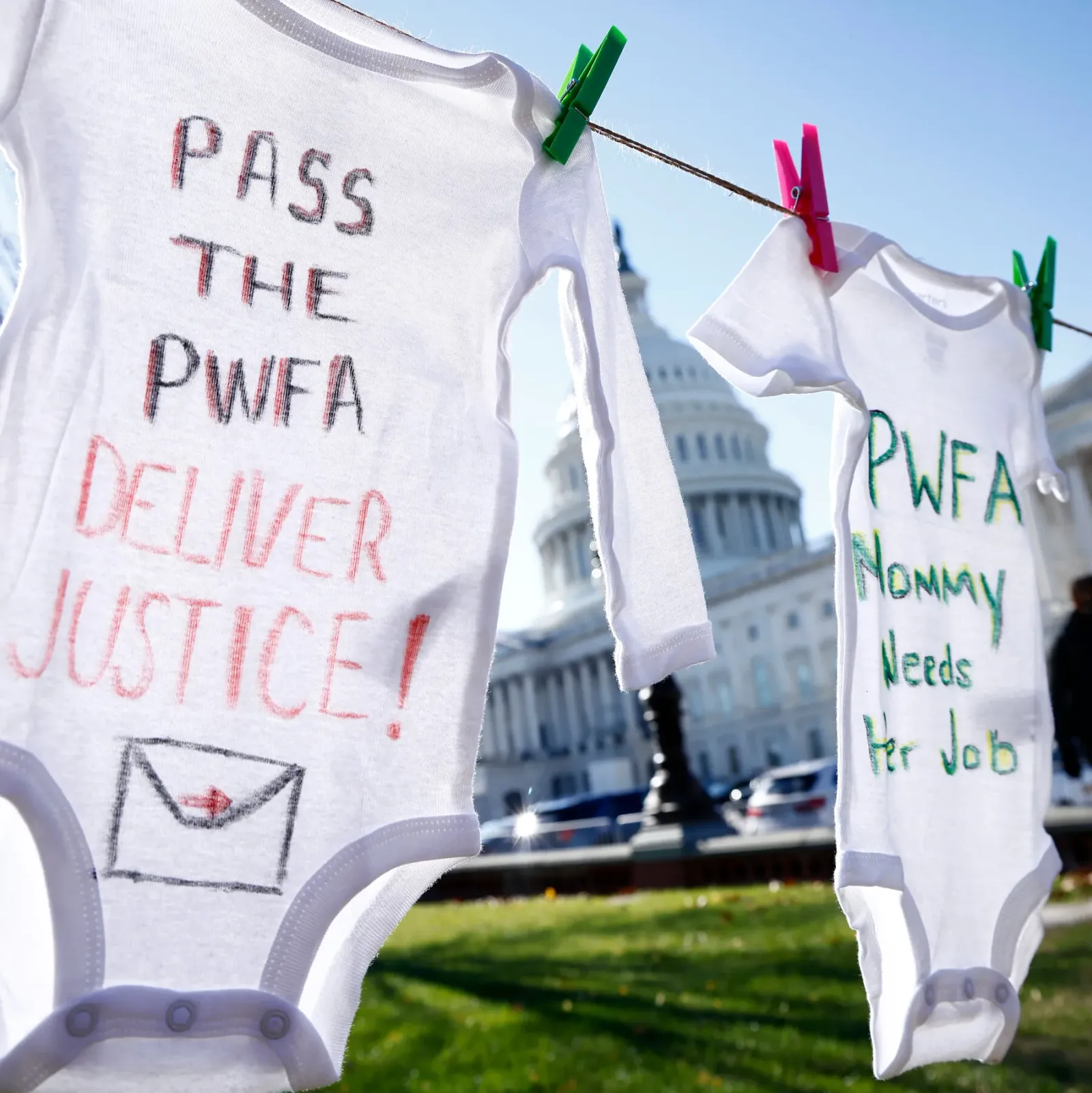
Fifth Circuit Kills Pregnant Workers' Law Over Pandemic Proxy Votes
A procedural ruling, not a policy one, has blocked a federal pregnancy-accommodation law and put every pandemic-era statute in the crosshairs ahead of an expected Supreme Court appeal.
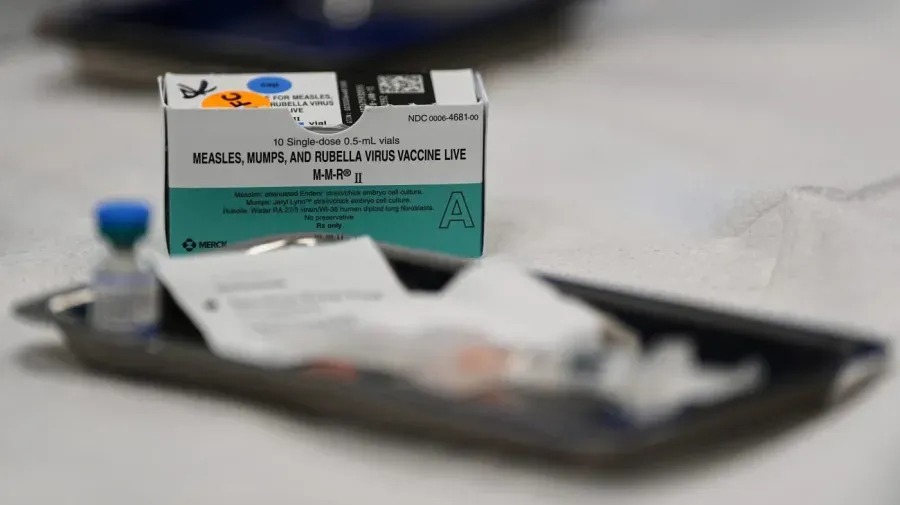
Measles kills a Virginia child under 5, the state's first death of 2026
Virginia's health department confirmed the death but withheld the child's vaccination status, leaving schools, clinics and employers to plan around the one detail that would explain the most.

Former Brazilian President Bolsonaro Hospitalized with Intestinal Obstruction
The health status of the former far-right leader raises immediate questions about political stability and the trajectory of Brazil's conservative movement.