
Collins and Shaheen's last-minute play: cap insulin for private plans
The two departing New England senators are betting a bipartisan bill can do for employer coverage what Medicare's $35 cap already did, with a shrinking calendar and an industry that has started moving on its own.
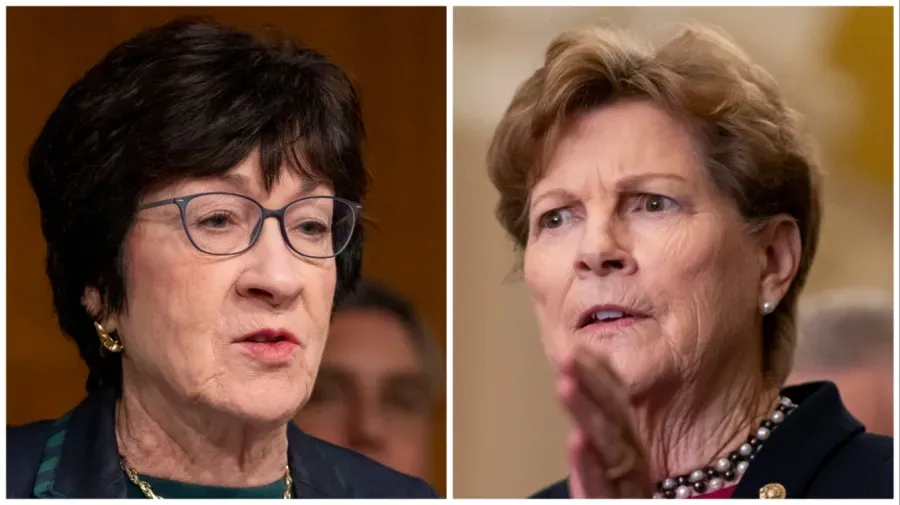
Sens. Susan Collins (R-Maine) and Jeanne Shaheen (D-N.H.) are making a last-minute bipartisan push to cap insulin costs for people with private insurance as both prepare to leave the Senate. For employers, insurers and pharmacy middlemen, the bill signals that political pressure on insulin pricing is migrating out of Medicare and into the commercial market, where most working Americans get their coverage.
Senators Susan Collins of Maine and Jeanne Shaheen of New Hampshire are making a last-minute, bipartisan push to cap the cost of insulin for people with private insurance. Both are departing New England senators, and both are spending part of their remaining time in office on a bill that would extend price relief beyond the public programs that already have it. The pitch is blunt enough to fit on a campaign flyer: if Washington can put a ceiling on what a Medicare beneficiary pays for a drug that keeps people alive, why should someone on an employer plan pay something wildly different for the same vial?
That question is where the politics get hard, and it is the reason this push is landing now rather than in a normal legislative year. A cap on private coverage is not a single switch. Commercial insurance runs through employer plans, marketplace plans, pharmacy benefit managers, rebates, deductibles and coinsurance, which means any federal ceiling has to decide who absorbs the difference: the insurer, the employer, the drugmaker, or the patient. The Medicare version was comparatively clean because the government writes the rules for one program. Private insurance is a tangle of contracts, and every one of those contracts has a party with a reason to fight.
For context on how the ground got here: the 2022 Inflation Reduction Act capped insulin cost-sharing at $35 a month for Medicare beneficiaries, a change that took effect in 2023 and turned insulin into one of the few drug-pricing policies ordinary voters could actually name. The private market then moved on its own. Eli Lilly, Novo Nordisk and Sanofi, the three manufacturers that have historically dominated global insulin supply, announced cuts to list prices on some of their most prescribed products in 2023, with several capped at $35 a month for patients paying cash. That combination, a public cap plus voluntary corporate cuts, is the backdrop the Collins-Shaheen effort is walking into.
The catch is that list prices and what patients actually pay are two different numbers, and the gap between them is where insulin gets strange. Pharmacy benefit managers negotiate discounts off the list price in exchange for placing a drug on a preferred tier, and those rebates flow back through the supply chain rather than directly to the person standing at the counter. For someone on a high-deductible plan, the amount owed before coverage kicks in is frequently tied to the list price rather than the discounted one, so a patient can pay hundreds of dollars for a product whose net cost to the system is far lower. Any cap aimed at private insurance has to survive that machinery. Caps that touch only one layer tend to get absorbed, and the patient's bill finds its way back up.
Why two departing senators? Because leaving changes the calculus. Members who are not facing voters again can spend political capital on a bill that is easy to explain and hard to pass, and the final stretch of a term is historically when stalled ideas get one more hearing. The obstacle is arithmetic, not sentiment. Getting most legislation through the Senate typically requires 60 votes, and health measures have to navigate committees with jurisdiction over taxes, Medicare and private insurance. A bill that touches employer-sponsored coverage invites every trade group in Washington to weigh in, and the calendar between now and the end of a Congress is short.
The second-order effects are the part executives should watch. If a private-insurance cap gains traction, insurers and self-funded employers face a new constraint on plan design, and pharmacy middlemen face pressure to show that rebates reach patients rather than spreadsheets. Drugmakers, already bruised by the Medicare cap and by the patchwork of state-level insulin caps that have passed around the country, would have another reason to reprice at the list level rather than the rebate level. And the politics are portable. Insulin is the rare healthcare issue both parties want to own, a product that is cheap to manufacture and impossible to skip, which is why it keeps getting pulled into fights well beyond the pharmacy aisle.
For the reader's world, the practical question is timing. Nothing in a last-minute push guarantees a floor vote, and a bill introduced late in a term frequently dies at the calendar rather than at the argument. But the direction of travel is clear enough to plan around: the political ceiling on insulin pricing keeps moving from public programs toward the commercial market, and the companies that get ahead of it, by capping out-of-pocket costs voluntarily or by simplifying their pricing architecture, buy themselves goodwill that a mandate would cost them. Collins and Shaheen are making the case that the cap should not stop at Medicare. Whether or not their bill moves, they have already made that argument harder to ignore.
This story's Key Insights and Take-aways are locked.
Create a free account to unlock Executive Actions for one credit.
Register to UnlockAlways free for Executives Club members. Join the Club
More in Politics
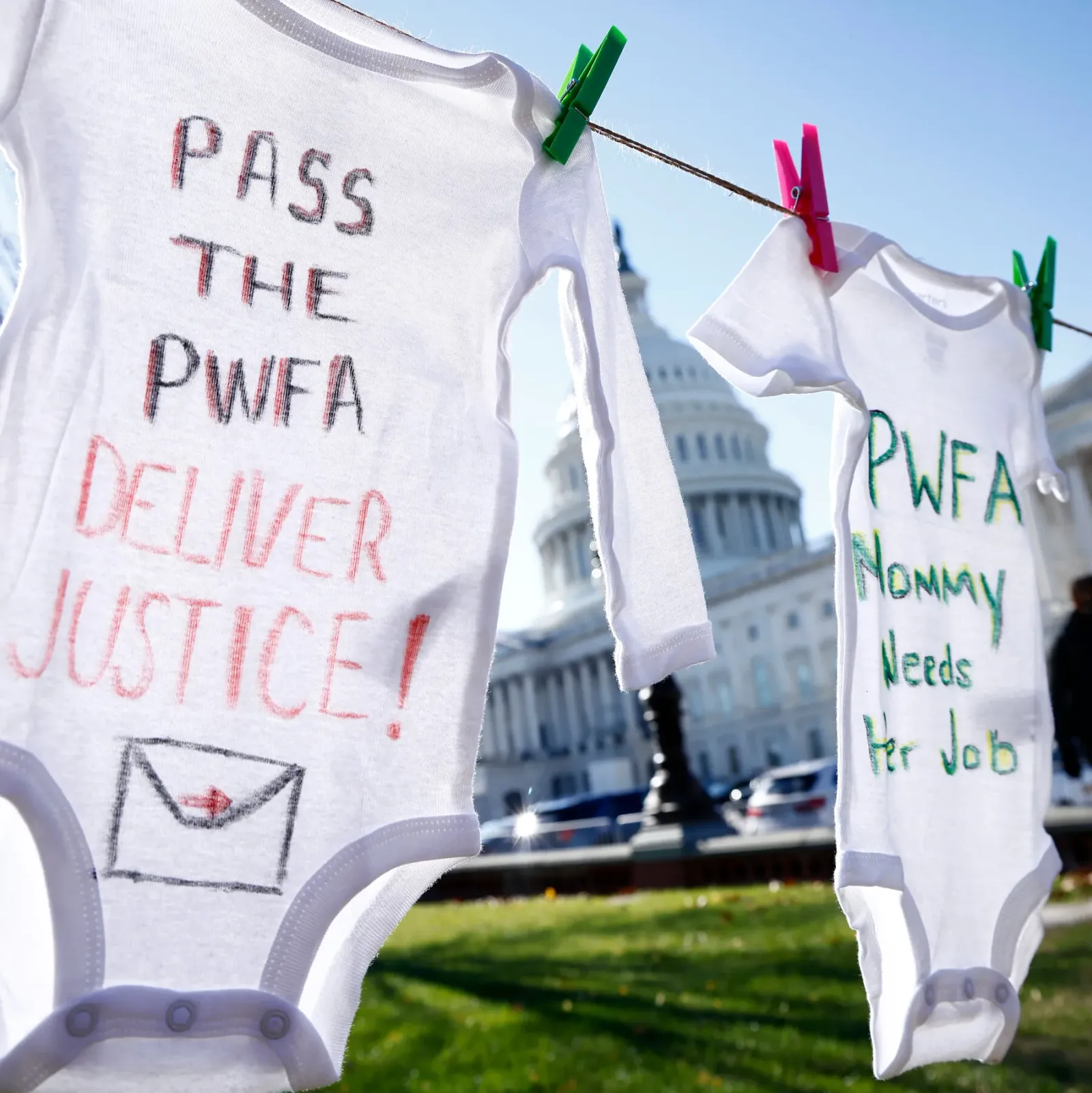
Fifth Circuit Kills Pregnant Workers' Law Over Pandemic Proxy Votes
A procedural ruling, not a policy one, has blocked a federal pregnancy-accommodation law and put every pandemic-era statute in the crosshairs ahead of an expected Supreme Court appeal.
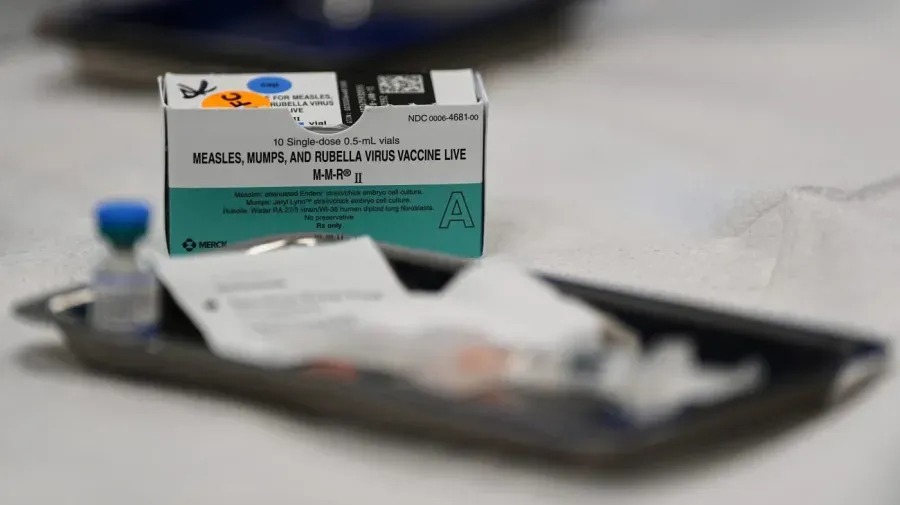
Measles kills a Virginia child under 5, the state's first death of 2026
Virginia's health department confirmed the death but withheld the child's vaccination status, leaving schools, clinics and employers to plan around the one detail that would explain the most.

Former Brazilian President Bolsonaro Hospitalized with Intestinal Obstruction
The health status of the former far-right leader raises immediate questions about political stability and the trajectory of Brazil's conservative movement.