
Commerce Dept. Approved Sales of 800,000 A.I. Chips to Chinese Entities
Confidential government data reveals the scale of semiconductor exports to China, highlighting the friction between national security mandates and global tech demand.
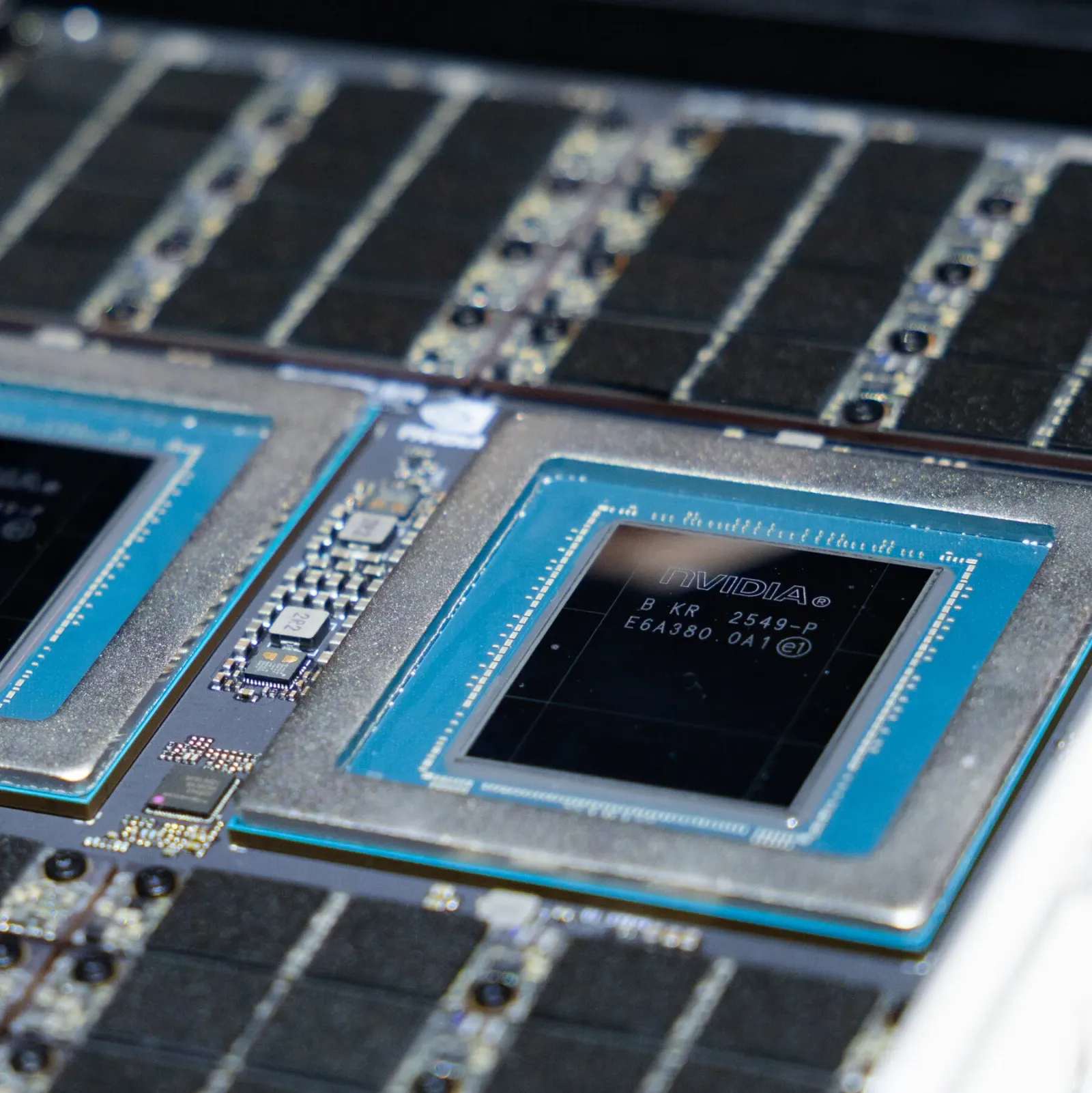
The Commerce Department has approved the sale of over 800,000 advanced A.I. chips to various Chinese companies, some of which maintain ties to the Chinese military. This development forces global tech leaders to navigate a complex regulatory landscape where national security concerns collide with massive global demand for cutting-edge technology.
The Commerce Department has quietly approved the sale of more than 800,000 advanced A.I. chips to Chinese companies, a figure that underscores the immense global demand for semiconductor technology even amid escalating geopolitical tensions. This approval, revealed through confidential government information released by lawmakers, confirms that the US regulatory apparatus is managing a massive, complex flow of high-performance computing hardware across the Pacific. The fact that some of these recipients have ties to the Chinese military adds a critical layer of complexity, forcing a reevaluation of how national security concerns are balanced against the economic realities of global supply chains.
This isn't just about a single transaction; it represents a snapshot of the current state of US export controls and the sheer scale of the global A.I. market. When we talk about A.I. chips, we are talking about the fundamental building blocks of modern computation. These are not commodity components; they are highly specialized, high-performance processors that power the most advanced machine learning models and data centers. The approval of 800,000 units-a staggering volume-signals that the demand for this technology is so vast that even with stringent regulatory oversight, the flow of these critical components continues at a massive scale.
For executives in the tech and manufacturing space, this data point is a critical stress test. It shows that while the US government is actively attempting to restrict the flow of certain advanced technologies to entities deemed a national security risk, the market forces and the sheer necessity of these chips mean that approvals are still being granted. The Commerce Department, in this role, acts as the gatekeeper, attempting to draw a line between legitimate commercial use and strategic military application. The challenge lies in the ambiguity and the difficulty of definitively classifying every single recipient and their end-use.
To understand the gravity of this approval, you have to look at the nature of the technology itself. A.I. chips are the engine of the modern digital economy. They enable everything from autonomous vehicles to large language models. Companies that design and produce these chips hold immense leverage over global industry. When the US government approves sales, it is essentially certifying that the recipient is operating within the bounds of current policy, even if that recipient has complex ownership or operational ties that raise red flags for policymakers. This regulatory tightrope walk is where the real risk management happens.
This situation forces a strategic reckoning for any company operating in the semiconductor space. If you are a US-based designer or manufacturer, you must have an airtight compliance framework. The risk of inadvertently supplying a restricted entity, even if the initial intent was purely commercial, is enormous. The Commerce Department's approvals are not a guarantee of safety; they are a conditional clearance based on the information provided at the time of the application. The regulatory environment is dynamic, meaning yesterday's approval might face a stricter review tomorrow as geopolitical tensions shift.
Furthermore, this data highlights the inherent tension between national security policy and economic reality. Restricting the flow of chips too severely could stifle innovation and disrupt global supply chains, which would ultimately harm the US economy and its own tech giants. Conversely, allowing unrestricted access could accelerate the technological advancement of strategic competitors. The Commerce Department is attempting to find a delicate equilibrium, but the scale of the industry and the global nature of the supply chain make that equilibrium incredibly difficult to maintain.
For investors and board members, the takeaway is clear: supply chain resilience and regulatory risk are now core components of due diligence. The risk profile of any company involved in high-performance computing, particularly those dealing with international sales, must account for the possibility of sudden policy shifts or the discovery of undisclosed military ties among their clients. The approvals themselves are a signal of ongoing scrutiny, not a sign of stable, predictable market conditions. The strategic imperative is to build compliance and risk mitigation into the DNA of the business, not as an afterthought.
This story's Key Insights and Take-aways are locked.
Create a free account to unlock Executive Actions for one credit.
Register to UnlockAlways free for Executives Club members. Join the Club
More in Business

S&P 500 Enters Correction, Down 10% From Its High on AI Worries
The index's slide past the 10 percent line is a symbolic verdict on investor mood, and the AI trade that powered the rally is now the thing testing it.

Dow and S&P 500 enter correction as Nasdaq logs worst week since 2020
All 11 S&P 500 sectors fell more than 1% in the same week for the first time since April 2025, a breadth signal that matters more than any single index level.

Chip stocks lose $2.3 trillion in a week, worst run in 25 years
A $2.3 trillion weekly wipeout in semiconductors is forcing every board with an AI story to ask whether it owns a thesis or just a crowded trade.