
COP31 closes in Antalya with Africa's climate cash still stuck in pledges
African delegations leave Antalya with the same unresolved question: pledges are not disbursements, and adaptation finance is the hardest money in the system to move.

COP31 is closing in Antalya with African countries still pressing the question of whether climate promises will finally translate into funding for communities coping with a warming world. For decision-makers, the consequence is a financing pipeline that will reward operators who can structure bankable, local-currency projects and punish those still waiting on headline numbers.
COP31 is closing in Antalya, and for African delegations the headline is not the final communique. It is the wire transfer. The question on the table, as the summit wraps, is whether climate promises finally translate into the funding African communities need to cope with a warming world. That framing is correct, and it is also uncomfortable, because the distance between a pledge announced on a conference stage and money that reaches a farmer, a city water utility, or a coastal town is where climate diplomacy either earns its keep or quietly fails. Antalya is the accounting moment. Everything announced over the past two weeks now has to survive contact with a finance ministry, a development bank credit committee, and a currency market that does not care how good the closing plenary felt.
The reason the question keeps recurring is structural, not moral. Climate finance splits into two very different products. Mitigation money, for solar farms, grids, and industrial decarbonization, can be deployed as loans because it generates revenue. Adaptation money, for flood defenses, drought-resistant seed, early warning systems, and resilient water infrastructure, mostly cannot. It is a public good with no cash flow attached. African economies, which typically carry the heaviest adaptation burden relative to their size, are therefore asking for the hardest kind of finance to raise: concessional, grant-heavy, and long-dated. Historically, that is exactly the category donors have found easiest to promise and hardest to disburse.
The plumbing matters here. Most public climate money does not move bilaterally from a rich country's treasury to an African ministry. It routes through multilateral vehicles such as the Green Climate Fund, the Adaptation Fund, and the Loss and Damage Fund agreed in the wake of recent COPs, and through development banks that blend public money with private capital. Each layer adds diligence, safeguards, and time. Each layer also adds a point where a project can stall. For context, the sector has spent years debating how to reform multilateral development banks so they lend more, faster, and with more tolerance for risk. That reform conversation is not academic for a country waiting on a coastal protection project that has already been redesigned twice.
The track record explains the skepticism. Developed countries committed in 2009 to mobilize $100 billion a year in climate finance by 2020. They missed that deadline and, by the OECD's own accounting, only crossed the line a couple of years later. The next goal, agreed at COP29 in Baku, raised the target to $300 billion a year by 2035, with a broader call to scale total climate finance from all sources toward $1.3 trillion. Africa's share of what actually flows has long been estimated in the low single digits of the global total, even though the continent is widely cited as responsible for roughly 4% of global emissions. That mismatch, small emitter, large exposure, is the entire political argument in one line.
So why does capital not simply flow to where the need is greatest? Three reasons recur. First, perceived risk: sovereign borrowers with stretched balance sheets and recent restructurings get priced accordingly, and a risk premium can double the cost of a project before a single panel is installed. Second, project size: many adaptation needs are small, dispersed, and expensive to appraise, which is the opposite of what large institutional investors want. Third, currency: a loan denominated in dollars or euros against local-currency revenue is a bet on the exchange rate, and that bet has burned plenty of borrowers. None of these are moral failures. They are pricing problems, and pricing problems have engineering solutions.
Those solutions are where the interesting action sits. Guarantees and first-loss capital can shift risk off a sovereign balance sheet. Debt-for-climate swaps can convert servicing obligations into domestic conservation and adaptation spending. Carbon markets under Article 6 of the Paris Agreement could, if the rules hold, turn verified emissions reductions into a revenue stream for African governments. And the continent's position in the energy transition, as a source of cobalt, copper, lithium, and manganese, gives it leverage it did not have in 2009. The catch is that leverage only converts into finance if the processing, refining, and value capture happen closer to the mine.
For executives, investors, and founders watching this space, the practical read is this: the money is real but slow, and it moves through institutions, not announcements. The winners over the next few years will be the operators who can structure bankable, small-ticket projects, who can work in local currency, and who can navigate multilateral accreditation without burning two years of runway. The losers will be the ones waiting for a headline number to become a term sheet. As Antalya closes, the honest answer to the question on the table is that the promises are not the constraint. The plumbing is.
This story's Key Insights and Take-aways are locked.
Create a free account to unlock Executive Actions for one credit.
Register to UnlockAlways free for Executives Club members. Join the Club
More in Politics
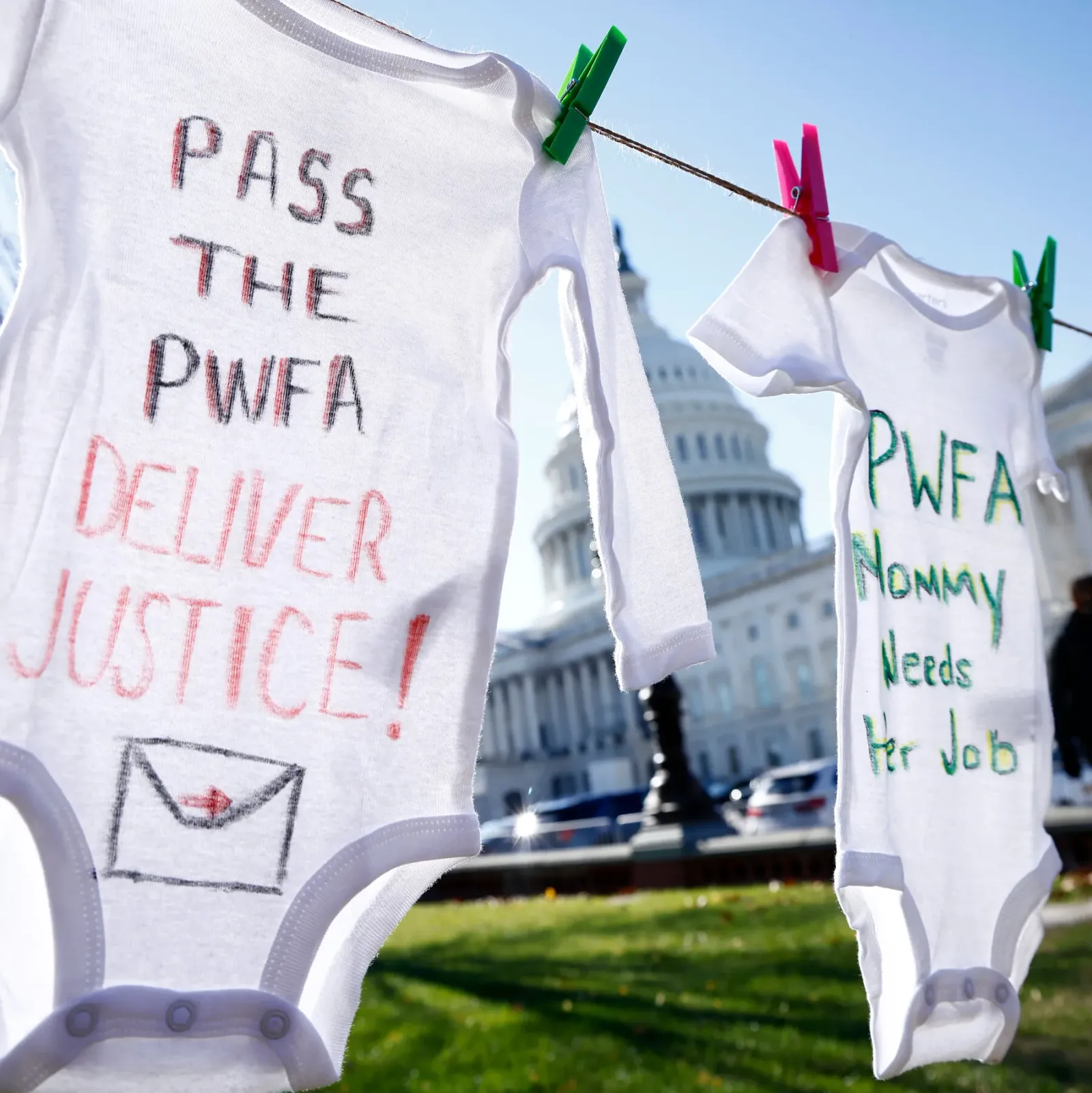
Fifth Circuit Kills Pregnant Workers' Law Over Pandemic Proxy Votes
A procedural ruling, not a policy one, has blocked a federal pregnancy-accommodation law and put every pandemic-era statute in the crosshairs ahead of an expected Supreme Court appeal.
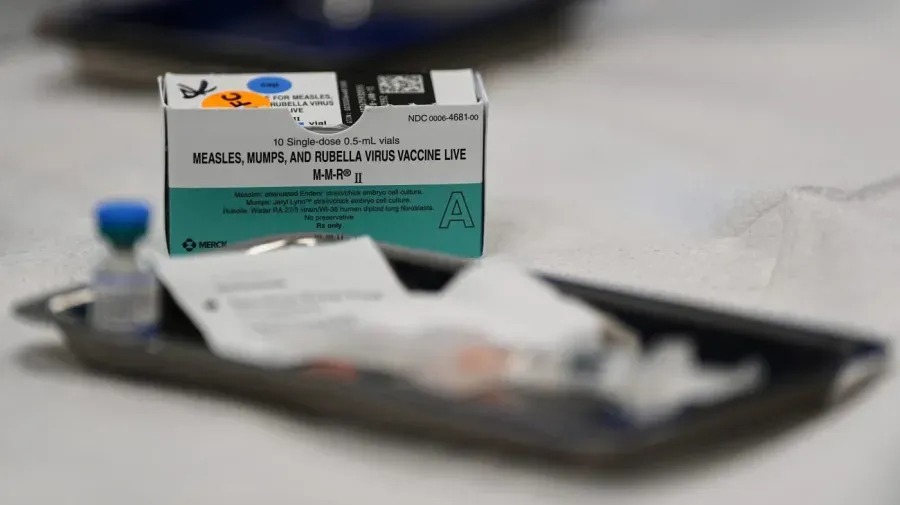
Measles kills a Virginia child under 5, the state's first death of 2026
Virginia's health department confirmed the death but withheld the child's vaccination status, leaving schools, clinics and employers to plan around the one detail that would explain the most.
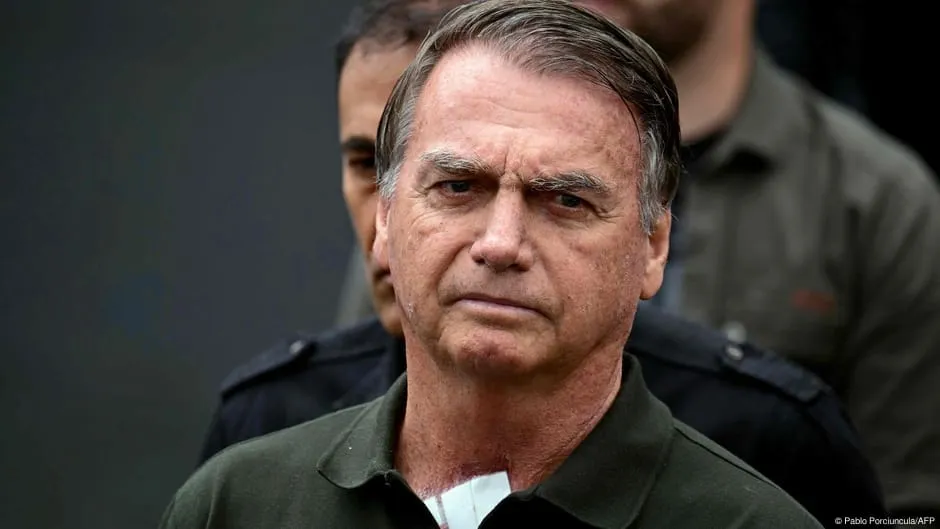
Former Brazilian President Bolsonaro Hospitalized with Intestinal Obstruction
The health status of the former far-right leader raises immediate questions about political stability and the trajectory of Brazil's conservative movement.