
Customs Refused to Name Who Got $170B in Tariff Refunds. ProPublica Did.
ProPublica's Cash Back database names 343 public companies holding more than $28 billion in tariff refunds, and at least nine are paying bonuses instead of refunding the customers who paid higher prices.
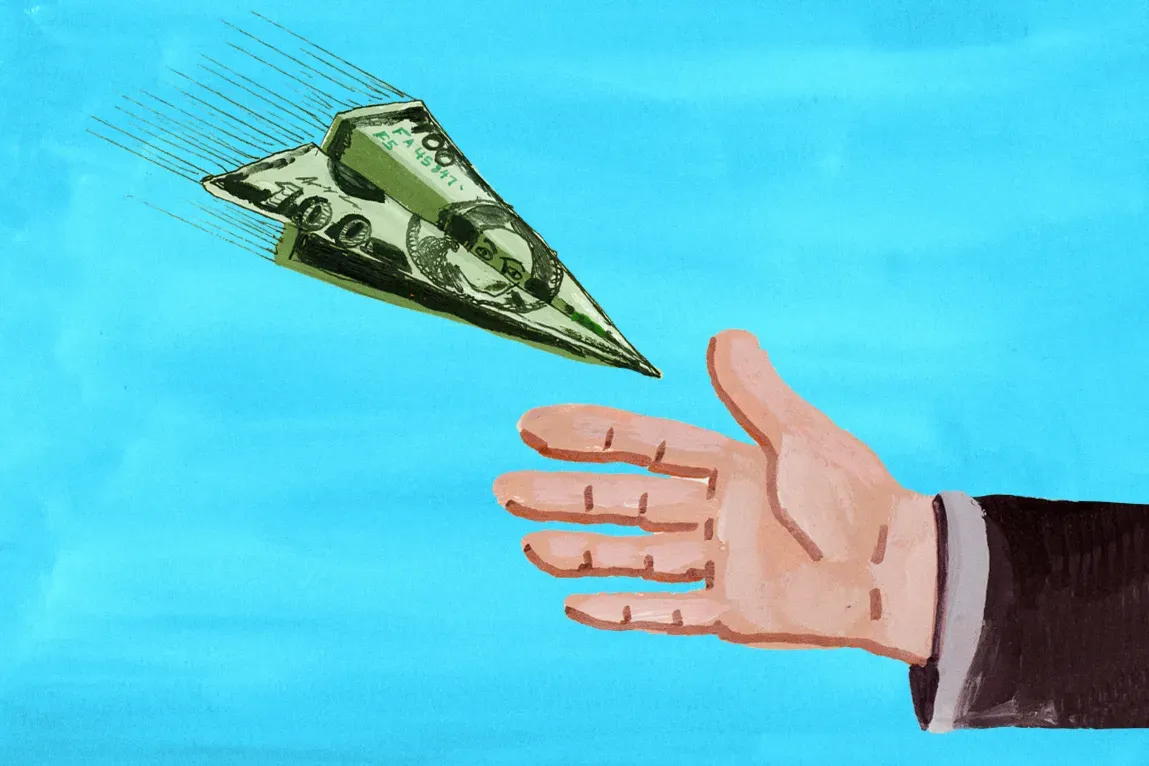
U.S. Customs and Border Protection refused to disclose which companies are receiving roughly $170 billion in tariff refunds after the Supreme Court struck down Trump's IEEPA tariffs on Feb. 20, 2026, so ProPublica built a database of 343 public companies holding more than $28 billion. For boards and finance chiefs, that disclosure vacuum is now a governance and reputational test, with at least nine companies already saying they used refunds for bonuses rather than customer relief.
U.S. Customs and Border Protection declined to say which companies are collecting roughly $170 billion in tariff refunds, or how much each asked for. ProPublica requested the information and was denied, and the outlet is appealing. So its reporters went around the agency: they read the financial disclosures of thousands of publicly traded companies and built "Cash Back," a database published today. It names 343 public companies that mentioned tariff refunds, amounting to more than $28 billion recovered or expected.
The headline finding is not the size of the pile. It is what at least nine companies said they would do with it. Those companies disclosed they are using refunds to pay bonuses, not to pay back the cash-strapped consumers who generally covered much of the tariff costs through higher prices, according to a ProPublica analysis published earlier this week. None of the nine has ever said it planned to refund customers. The database also surfaces recognizable names, including toolmaker Stanley Black & Decker, the owners of discount chains TJ Maxx and Marshalls, and golf equipment brand Titleist. Many other firms have said little about their plans.
The money exists because of a legal reversal. On Feb. 20, 2026, the Supreme Court ruled that the International Emergency Economic Powers Act does not authorize the president to impose tariffs. The U.S. Court of International Trade then ordered CBP to refund the duties it had collected. That is how billions of dollars began flowing back to importers under tariffs that were, for a time, the law of the land. The government also owes interest on the amounts it returns, at rates the IRS sets quarterly, and companies disclosed that interest in different ways: some reported refund and interest separately, while others reported a single combined figure. ProPublica added the interest to the refund when the two were separated, to capture the full amount a company received from the government.
Here is the part that stings for consumers. Only importers, or the authorized customs brokers who filed the entries, can submit a refund request. Even when a company passed tariff costs on to customers through higher prices, the refund goes to the company, and it is up to the company to determine how the money is used. Two exceptions stand out: UPS and FedEx are itemizing how much customers paid in tariffs and reimbursing them, with online portals for tracking. Some other companies say they will split at least part of their refund checks with customers, though those customers are generally other businesses. Trade experts say business-to-business vendors likely have detailed contracts that itemize tariff costs, which makes pass-through enforceable rather than voluntary. Some companies describe vague plans, like "returning tariff refunds to our members through pricing," without saying whether that means price cuts or just slower increases.
ProPublica's method matters, because the numbers are the story. The team searched securities filings and earnings calls for key phrases, built a document around each mention, and used an open-weight artificial intelligence model for a first pass before reporters reviewed every company by hand. Companies normally record tariff refunds under two accounting models: gain contingency, when the refund has been received or recovery is essentially certain, and loss recovery, when recovery is probable and can be reasonably estimated. ProPublica added up amounts recorded as essentially certain or probable, plus amounts disclosed as received. Where a company reported only a net refund, the net amount is shown. Where a company reported a range, the lower end was used. Both cases are noted on the company page. Before publishing, ProPublica contacted all companies shown to check the accuracy of the numbers. The data runs through Oct. 7, 2026.
The blind spot is private companies. Because they are not normally required to disclose this information, how they are using refunds is unclear. Public companies, by contrast, must disclose events that affect their finances, such as tariff payments and refunds, on earnings calls and in regular reports filed with the Securities and Exchange Commission. That asymmetry means the $28 billion public tally is a floor on what has been recovered by recognizable names, not a ceiling on what actually moved.
For executives and boards, the tariff refund is turning into a governance test. Cash that arrives without a stated plan invites questions: from shareholders who want it reinvested, from customers who paid the higher prices, from employees who want a share, and from reporters and regulators who now have a searchable database. A bonus decision that looked internal can become a public one overnight. Companies that collected refunds while raising prices carry a specific reputational exposure, and vague language about "pricing" will not settle it.
The practical moves are unglamorous. Check whether your company appears in the data and whether the figure is right; ProPublica invites corrections at tariffs@propublica.org and will update the database from newer filings. Importers with business customers should review contract language that itemizes tariff costs, because that is where pass-through becomes an obligation rather than a gesture. Finance teams should also be consistent in how they disclose refund and interest. The bigger question is strategic: in a world where tariff policy can reverse on a court ruling, the companies that explain what they did with the windfall, quickly and specifically, will spend far less time defending it later.
This story's Key Insights and Take-aways are locked.
Create a free account to unlock Executive Actions for one credit.
Register to UnlockAlways free for Executives Club members. Join the Club
More in Business

S&P 500 Enters Correction, Down 10% From Its High on AI Worries
The index's slide past the 10 percent line is a symbolic verdict on investor mood, and the AI trade that powered the rally is now the thing testing it.

Dow and S&P 500 enter correction as Nasdaq logs worst week since 2020
All 11 S&P 500 sectors fell more than 1% in the same week for the first time since April 2025, a breadth signal that matters more than any single index level.

Chip stocks lose $2.3 trillion in a week, worst run in 25 years
A $2.3 trillion weekly wipeout in semiconductors is forcing every board with an AI story to ask whether it owns a thesis or just a crowded trade.