
DeSantis Weighs a Presidential Run in a Post-Trump World: 'I Haven't Made Any Decisions'
Florida's governor says the timing of a White House bid is undecided, and for donors, staff, and rival campaigns, that silence is the signal that matters most.
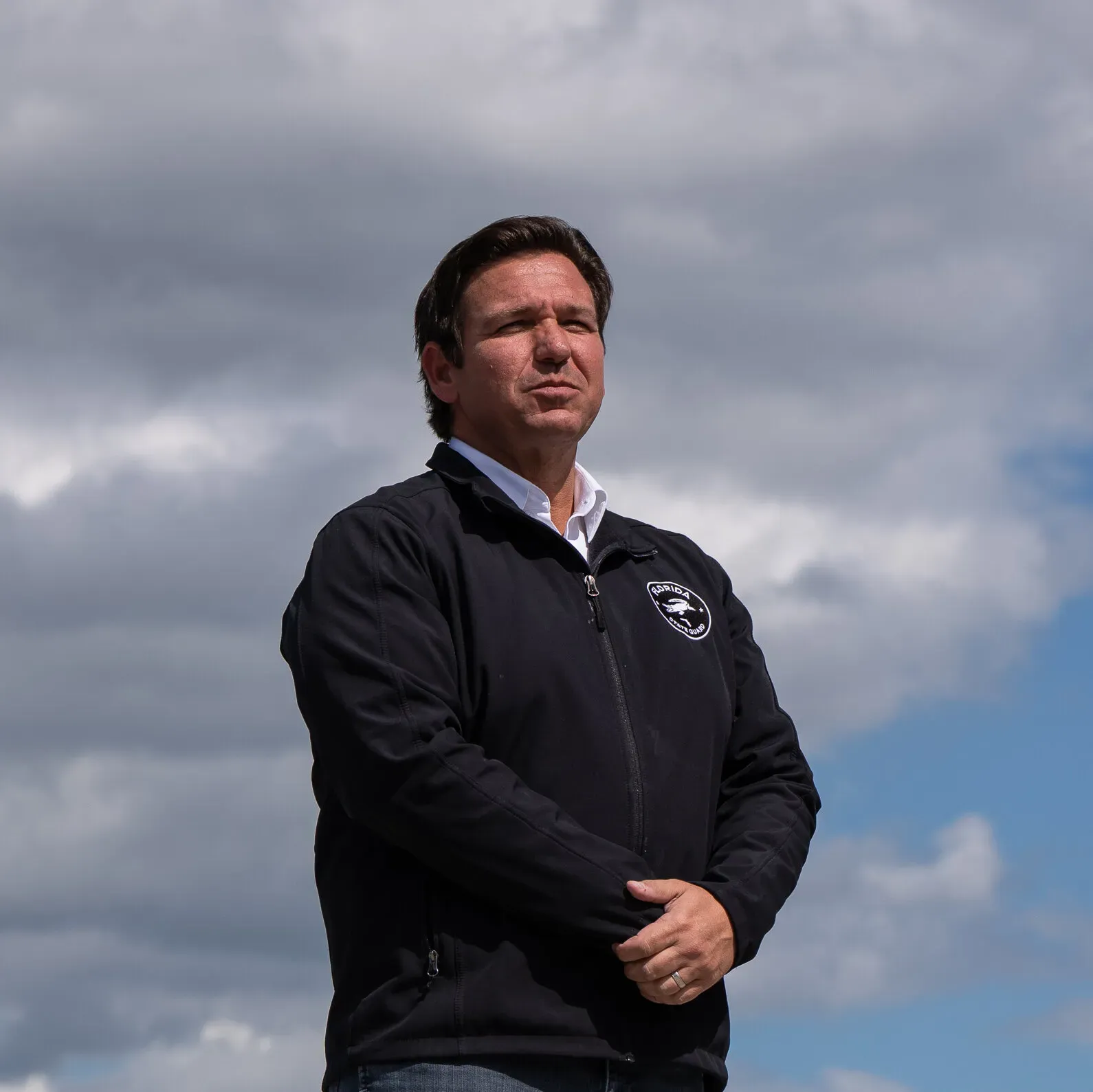
Florida Governor Ron DeSantis said in a wide-ranging interview that he has not decided whether or when to run for president, discussing the potential timing of a bid in what the New York Times framed as a post-Trump world. For donors, staff, and rival campaigns, his non-answer preserves optionality while keeping the money and talent any campaign needs on hold.
Ron DeSantis is not running for president. He is also not ruling it out. Asked about a White House bid in a wide-ranging interview, Florida's governor gave the answer that keeps every option open and every donor guessing: "I haven't made any decisions." He did discuss the potential timing of a run, and that is the detail worth circling. The New York Times framed the conversation around a post-Trump world, and the framing is itself the news. Once the question shifts from whether to when, the race has quietly started.
Timing is not a scheduling footnote in presidential politics. It is the strategy. Long before any ballot is cast, a campaign is built through what operatives call the invisible primary: locking up donors, hiring the best early-state staff, collecting endorsements, and building the infrastructure that turns a name into a machine. Historically, the candidates who move first get the pick of that talent and money. The ones who wait often find the top operatives already signed and the biggest checks already written. A governor who says he has not decided is therefore saying something precise: he has not yet spent the one resource he cannot get back.
The "post-Trump world" framing matters because it describes a landscape rather than a person. It implies a field whose shape is not assumed in advance, and it invites a sitting governor to test his own standing against it. For DeSantis, that is a comfortable place to stand. He governs a large, high-profile state, which gives him a built-in platform, a steady stream of decisions to react to, and a national press corps that covers him whether or not he ever files paperwork. Every interview is a free audition. For a reader who does not follow politics closely, the practical version is this: the person who runs Florida, one of the largest state economies in the country, may soon be asking voters for a bigger job, and the policies he pursues in the meantime will be written with that audience in mind.
The tradeoff he is weighing is brutal in both directions. Launch a campaign early and a sitting governor typically freezes his own legislative agenda, turns every state decision into a national story, and spends two years absorbing attacks before a single vote is counted. Wait too long and the money, the staff, and the momentum go to someone else. Florida adds its own complications: a big state with its own legislative calendar, its own budget fights, and its own business community watching how national ambition shapes local policy.
"I haven't made any decisions" is a holding statement, and it is a valuable one. It preserves optionality. It keeps donors from committing elsewhere, because no one wants to back the wrong horse before the field is set. It keeps the press engaged and the speculation alive, which is its own form of free advertising. And it costs nothing. A flat no would free money and talent to move on. A yes would start the clock and the scrutiny. The non-answer is the highest-value position on the board, and he is sitting on it.
The second-order effects ripple outward. Donors have to decide whether to wait or to place a bet now. Rival campaigns have to plan for a field that may or may not include him, which means holding resources in reserve. Florida's business and policy community has to read the signals too, because a governor with national ambitions often governs with a national audience in mind. For executives, the parallel is direct: a competitor who refuses to say whether they will enter your market is not being indecisive. They are keeping your capital and your talent on hold.
What to watch from here is not the statement but the signals. In past cycles, the markers have been consistent: travel to the states that vote first, quiet outreach to donors, staff hires with national experience, a book, a speaking schedule that looks less like governing and more like introducing. The language usually shifts before the announcement does, from "I haven't made any decisions" to something about family and timing. When that shift comes, the decision has effectively already been made.
For now, DeSantis has bought himself time, and time is the asset every ambitious operator wants most. The risk is that the same silence that preserves his options also stalls his momentum. The window in presidential politics is not infinite; it closes when the money is committed and the staff is hired. He has not made any decisions. The people who would run his campaign, fund it, and vote in it are making theirs right now.
This story's Key Insights and Take-aways are locked.
Create a free account to unlock Executive Actions for one credit.
Register to UnlockAlways free for Executives Club members. Join the Club
More in Politics

Fifth Circuit Kills Pregnant Workers' Law Over Pandemic Proxy Votes
A procedural ruling, not a policy one, has blocked a federal pregnancy-accommodation law and put every pandemic-era statute in the crosshairs ahead of an expected Supreme Court appeal.

Measles kills a Virginia child under 5, the state's first death of 2026
Virginia's health department confirmed the death but withheld the child's vaccination status, leaving schools, clinics and employers to plan around the one detail that would explain the most.

Former Brazilian President Bolsonaro Hospitalized with Intestinal Obstruction
The health status of the former far-right leader raises immediate questions about political stability and the trajectory of Brazil's conservative movement.