
Elon Musk Helped Elect Trump. Now He's Rewriting That History.
The DOGE architect is backing away from the movement he helped build, and the reversal is a case study in what political capital costs a founder-led company.
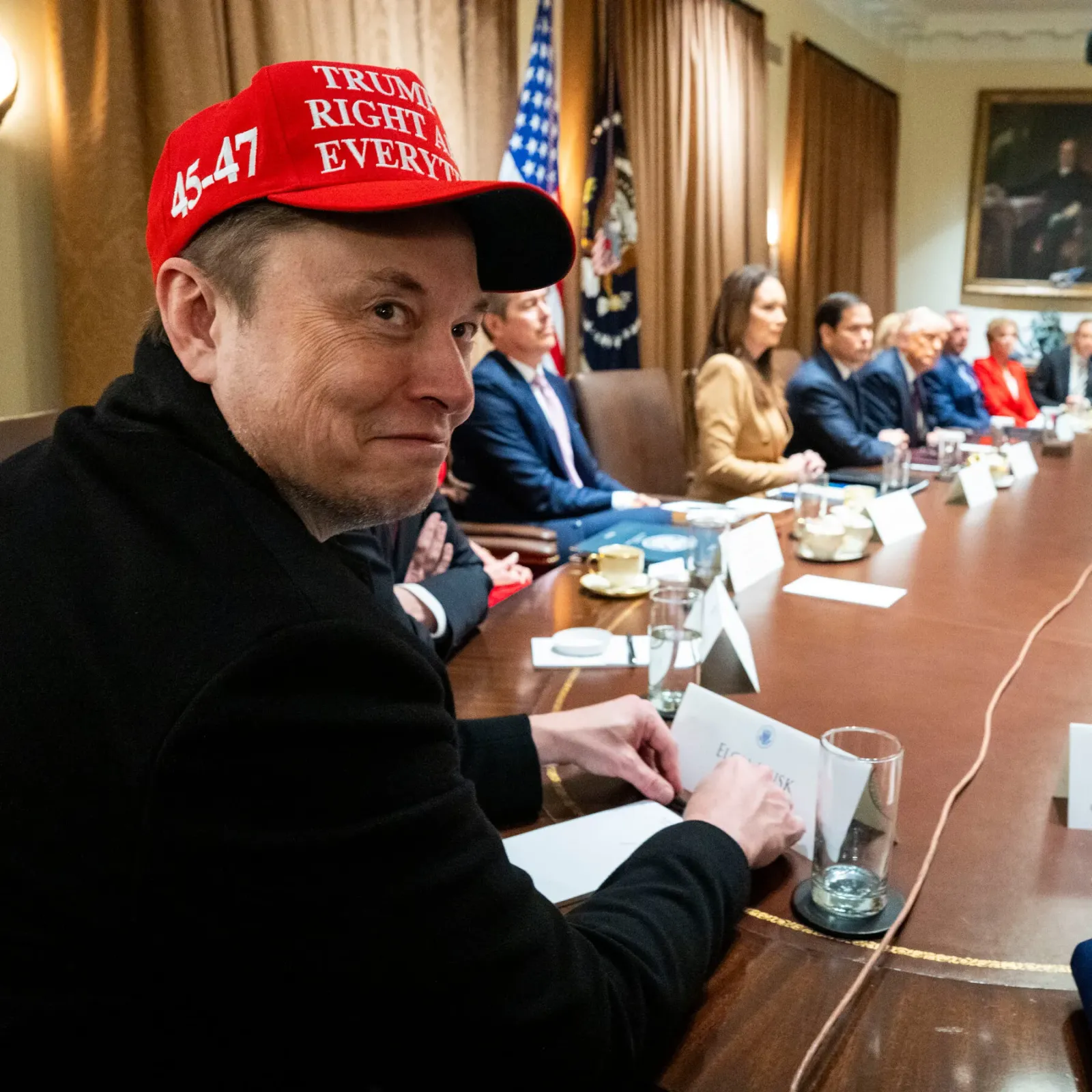
Elon Musk, who helped elect President Trump in 2024 and then led DOGE, is now backing away from MAGA and from the presidency he helped shape, according to New York Times reporting that says he is trying to rewrite history. For founders and boards, the reversal is a live test of how political exposure gets priced into a company's brand, hiring, and investor story.
Elon Musk, the man who helped elect President Trump in 2024 and then led DOGE, is now backing away from MAGA and from the presidency he helped shape. That is the thrust of new reporting from The New York Times, and the framing is deliberately unsparing: the man who helped build the coalition is trying to rewrite history.
Read that twice, because the sequence is the story. Musk was not a bystander in 2024. He was a principal, a backer whose money, reach, and megaphone were central to putting Trump back in the White House, and then the operator tapped to lead DOGE, the government cost-cutting effort that became one of the administration's defining projects. Now the same figure is putting distance between himself and the movement. The Times does not soften the move into a policy disagreement or a scheduling conflict. It calls it what it looks like: an attempt to revise the record.
For anyone who runs a company, the interesting question is not whether the reversal is sincere. It is what a reversal costs, and who pays for it. Political capital is an odd asset class: it appreciates while you hold it and gets repriced the instant you put it down. Musk spent his in public, at a scale few founders ever have. That spend bought access and influence. It also wrote a permanent, searchable, quotable record that no later statement can delete.
Some background helps here. DOGE was stood up as a cost-cutting vehicle inside the federal government, and leading it made Musk an operational figure in the administration rather than merely a supporter. Historically, that kind of proximity is the prize executives chase. It typically shows up as friendlier regulatory treatment, faster procurement cycles, and a seat at the tables where rules get drafted. The trade is usually implicit and rarely written down: you lend your brand to a political project, and the project lends you its ear.
The trade has a second leg that founders routinely underprice. When you attach a consumer brand, an employer brand, and an investor story to a political identity, you hand a piece of the enterprise to a narrative you do not control. Employees who joined for the mission start asking which mission. Customers who bought the product start factoring in the politics. Institutional investors, who answer to their own stakeholders, start modeling a risk they cannot hedge. That is the quiet tax on a founder-led political brand, and it gets paid by people who never signed up for the bet. None of it shows up on the income statement until it does, and by then the fix is expensive.
Rewriting history is harder than writing it. The 2024 campaign, the DOGE tenure, the public alignment: all of it is documented, timestamped, and archived by people with no incentive to forget. A founder can change the story he tells going forward. He cannot change the story other people already saved. What he can change is the next chapter, and that is the only lever genuinely available here. The Times' framing suggests Musk is reaching for it.
The governance lesson is blunt. Political exposure is a board-level risk item, not a communications problem. A company that lets a founder's personal political brand become the corporate brand has effectively issued an unhedged derivative on an election cycle. The right moment to debate that is before the endorsement, not after the reversal. The question is not whether a founder is allowed a politics. It is whether the company is. Boards that skipped the conversation now own whatever comes next, including the awkward matter of what the company stands for when the founder stops standing for it.
For peers watching, the strategic stakes are straightforward. Musk's move will be read as a template by every founder who has ever weighed a political bet: get in, get the access, and if the weather turns, get out and reframe. That template only works if the audience forgets. Audiences increasingly do not. The durable play is narrower and far less exciting. Keep the political bet personal. Keep the corporate brand neutral. Never let the two share a balance sheet, because the day they do, the exit gets written by someone else. The record, unlike the position, is permanent.
This story's Key Insights and Take-aways are locked.
Create a free account to unlock Executive Actions for one credit.
Register to UnlockAlways free for Executives Club members. Join the Club
More in Politics
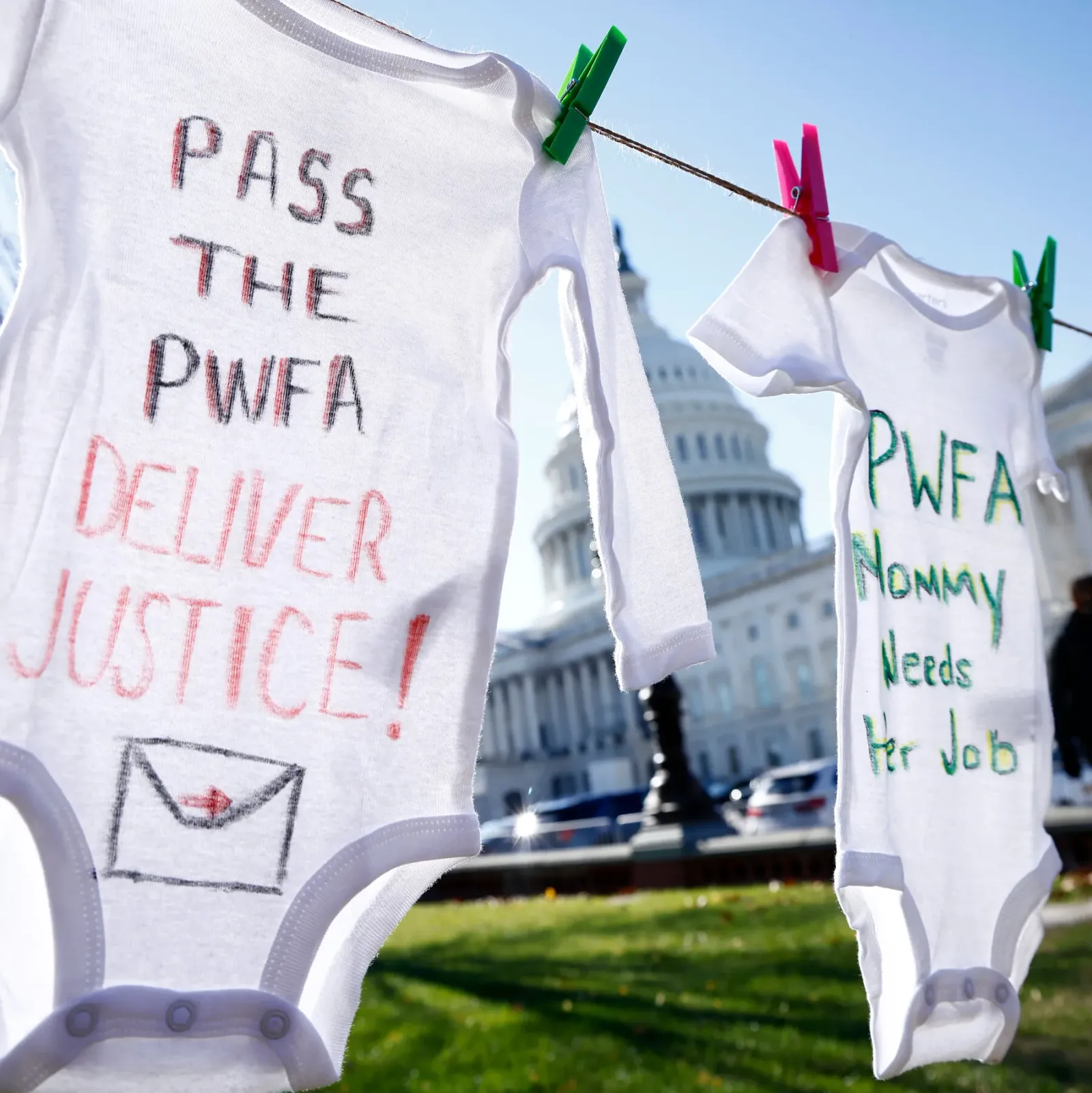
Fifth Circuit Kills Pregnant Workers' Law Over Pandemic Proxy Votes
A procedural ruling, not a policy one, has blocked a federal pregnancy-accommodation law and put every pandemic-era statute in the crosshairs ahead of an expected Supreme Court appeal.

Measles kills a Virginia child under 5, the state's first death of 2026
Virginia's health department confirmed the death but withheld the child's vaccination status, leaving schools, clinics and employers to plan around the one detail that would explain the most.
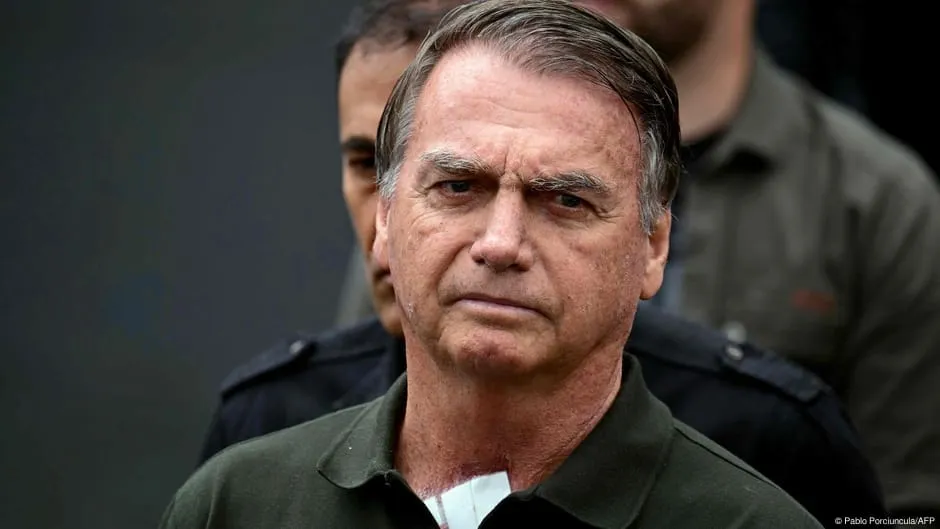
Former Brazilian President Bolsonaro Hospitalized with Intestinal Obstruction
The health status of the former far-right leader raises immediate questions about political stability and the trajectory of Brazil's conservative movement.