
EU blinks: methane reporting for oil and gas imports pushed back two years
Brussels and the Parliament doubled the Commission's proposed one-year delay to two, handing importers a reprieve as war-driven supply fears override the bloc's methane crackdown.
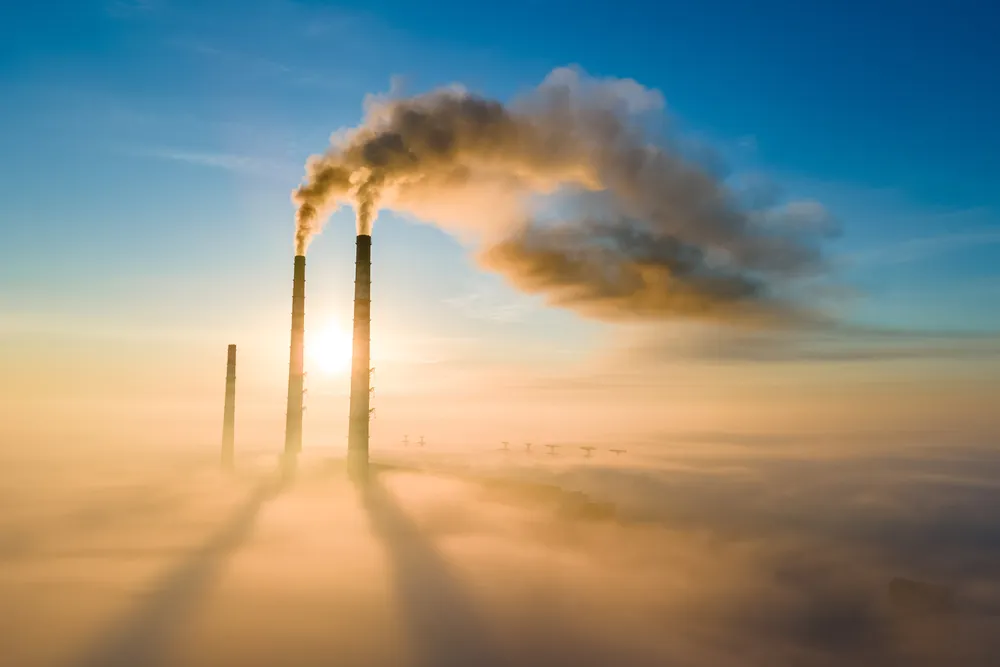
EU member states and the European Parliament agreed Thursday to delay by two years the bloc's rules requiring oil, gas and coal importers to report methane emissions, doubling the one-year delay the European Commission proposed in October under pressure from governments including France and the United States. For importers, traders and their boards, the decision resets a compliance deadline and signals that energy-security shocks can override the EU's climate disclosure agenda.
Brussels folded, and it folded twice as far as planned. European Union governments and the European Parliament agreed on Thursday to delay by two years the rules requiring importers of oil, gas and coal to report methane emissions, according to statements from both co-legislators. The stated cause: disruptions from the US-Israeli war with Iran. The scale is the story. The European Commission had proposed a one-year delay in October. Member states and lawmakers doubled it. For every importer that had been building methane data systems to hit the original timetable, the clock just moved.
The rule in question is the EU's methane regulation, which extends the bloc's emissions reporting to its supply chain rather than only its own producers. Under it, importers of oil, gas and coal must report methane emissions data on the fuels they bring in. That is a big deal because methane is a short-lived but ferocious greenhouse gas, typically cited as roughly 80 times more potent than carbon dioxide over a 20-year window. And Europe imports the overwhelming majority of the oil and gas it burns. An importer reporting rule therefore reaches into the supply chains of American shale producers, Qatari LNG exporters, Algerian pipelines and Norwegian platforms. Two more years without that reporting is two more years without visibility.
The delay did not appear from nowhere. The Commission's October proposal followed pressure from governments including France and the United States, and it cited risks that importers may not be able to secure supply. Read that again. The argument was not that methane data is unimportant. The argument was that demanding it could get in the way of keeping the lights on. That is the trade Brussels just made explicit: when supply security and disclosure collide, supply security has been winning. And the co-legislators did not merely accept the Commission's one-year compromise. They stretched it to two.
The backdrop is a war that has scrambled energy logistics. The US-Israeli conflict with Iran has disrupted flows, and Europe's energy system is now far more exposed to seaborne trade than it was a few years ago. For context, the bloc spent decades piped into Russian gas, then rebuilt its supply map around LNG after 2022. Much of that replacement volume sails from the United States. A conflict that threatens Middle Eastern routes lands directly on the arteries Europe now depends on, which is precisely the environment in which regulators start asking whether paperwork is worth the risk of a missed cargo.
So who wins? Importers and their compliance teams get a two-year runway, and the trading desks that move cargoes get fewer boxes to tick during a supply crunch. American producers and their allies in Washington, who have historically objected to rules they see as reaching into US production, get relief they did not have to negotiate for. Who loses? The methane-monitoring and audit industry loses its regulatory forcing function. Environmental groups lose the disclosure lever they had counted on. And the EU loses a little of the credibility it has spent years building as the world's most ambitious climate regulator.
The bigger story is the precedent. Brussels has positioned itself as the global rule-setter on climate disclosure, betting that access to its market is leverage enough to change behavior far beyond its borders. That bet works only if the rules hold when they get expensive. This week, a security shock moved a deadline, and the mechanism was not a court or a treaty but a negotiation between co-legislators under pressure from member states. Expect the same political physics to be tested across the rest of the EU's green rulebook. For companies that had already invested in methane monitoring, the delay creates an awkward gap between internal targets and regulatory deadlines.
Two years is not a reprieve from the underlying trend. It is a scheduling change, and scheduling changes are where competitive advantage quietly accumulates. Buyers with European exposure should treat the window as free time to build the data plumbing that will eventually be mandatory: supplier-level emissions factors, contract clauses, verification trails. The companies that do that will be positioned to sell cleaner molecules at a premium when the rules return. The ones that treat the delay as a cancellation will be scrambling when the deadline snaps back, possibly harder than before. Boards should ask a blunt question now: if a supply shock can move a compliance deadline by two years, what else on the regulatory calendar is not as fixed as it looks?
This story's Key Insights and Take-aways are locked.
Create a free account to unlock Executive Actions for one credit.
Register to UnlockAlways free for Executives Club members. Join the Club
More in Politics

Fifth Circuit Kills Pregnant Workers' Law Over Pandemic Proxy Votes
A procedural ruling, not a policy one, has blocked a federal pregnancy-accommodation law and put every pandemic-era statute in the crosshairs ahead of an expected Supreme Court appeal.

Measles kills a Virginia child under 5, the state's first death of 2026
Virginia's health department confirmed the death but withheld the child's vaccination status, leaving schools, clinics and employers to plan around the one detail that would explain the most.

Former Brazilian President Bolsonaro Hospitalized with Intestinal Obstruction
The health status of the former far-right leader raises immediate questions about political stability and the trajectory of Brazil's conservative movement.