
Ex-Jackson mayor Lumumba sentenced to 3+ years in bribery case tied to DA
The former mayor of Mississippi's capital and the county's former top prosecutor were named in the same federal bribery scheme, and the sentence is a reminder that city hall is a compliance jurisdiction.
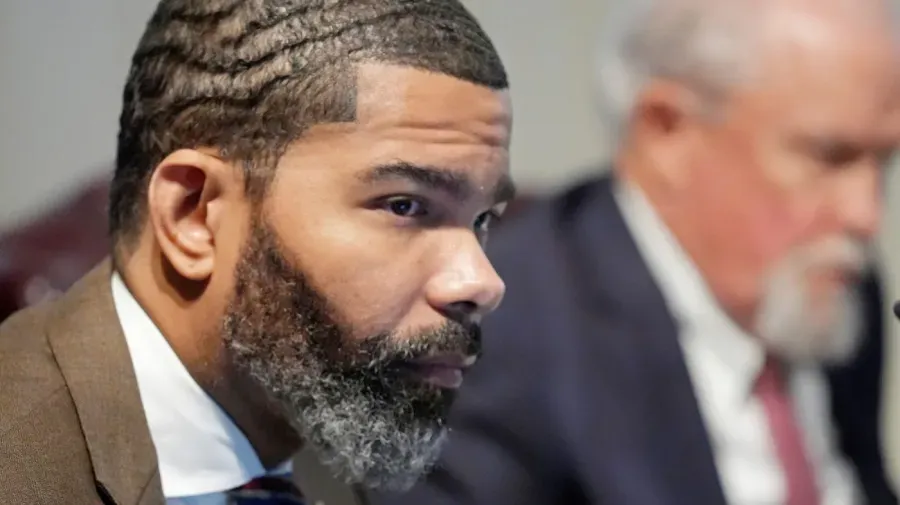
Former Jackson, Mississippi mayor Chokwe Antar Lumumba was sentenced to more than three years in federal prison after pleading guilty to bribery charges tied to a scheme he admitted to engaging in alongside former Hinds County District Attorney Jody Owens. For executives, the case is a reminder that domestic bribery of state and local officials carries federal exposure that most compliance programs never map.
Chokwe Antar Lumumba, the former mayor of Jackson, Mississippi, has been sentenced to more than three years in federal prison after pleading guilty to bribery charges from his time in office. That is the number to hold onto: more than three years behind bars for a city's chief executive. Lumumba was indicted on charges tied to a bribery scheme he admitted to engaging in alongside former Hinds County District Attorney Jody Owens, according to the reporting.
The pairing is what makes this case unusual. A mayor controls a city's contracts, permits, and services. A district attorney controls a county's prosecutions. When both appear in the same federal bribery scheme, the alleged corruption touches two of the most powerful levers in a single metro area: the people who spend public money and the person who decides which cases get pursued. Federal bribery statutes typically carry statutory maximums well above a three-year term, which means judges have broad latitude and weigh factors such as the amount involved, the defendant's role in the scheme, and acceptance of responsibility. A sentence in this range is a real prison term, not a symbolic one.
Jackson is Mississippi's capital and its largest city, which makes its mayor's office one of the most visible political posts in the state. Federal prosecutors have long treated public corruption as a priority because the harm is diffuse: taxpayers absorb inflated contracts, honest vendors lose bids, and residents lose faith that work is awarded on merit. The reporting identifies Owens as a former Hinds County district attorney and ties him to the same scheme; it does not describe the disposition of any case against him. That distinction matters. A guilty plea by one participant does not automatically establish the outcome for another.
For context on how these cases get built: federal law gives prosecutors a specific tool aimed at state and local government. The statute commonly known as Section 666 covers agents of state and local agencies that receive federal funds, and it does not require the bribe to involve a federal program directly. Investigators typically work backward from financial records, wire transfers, and cooperating witnesses. That is why corruption cases against local officials often take years to surface and then arrive as a single, sweeping indictment. The timeline is a feature of the process, not evidence of a sudden outbreak of misconduct.
The second-order effects land on the private sector. Companies that bid on municipal work, from construction to IT to waste hauling, typically face a fresh round of scrutiny after a mayor is convicted: procurement files get pulled, subcontractors get re-interviewed, and compliance teams get asked why a payment or a gift was never flagged. Municipal bond investors and insurers also watch governance signals closely, because sustained instability in city leadership can affect how projects get approved and how reliably contracts are honored. None of that requires a new law. It happens because risk committees reprice uncertainty.
There is a practical lesson here for anyone who sells to cities and counties. The red flags are rarely exotic. They look like a consultant with no clear deliverable, a payment routed through an intermediary, a contract amendment that appears without a paper trail, or a public official with an unexplained interest in a specific vendor. Anti-bribery programs built for overseas markets under the Foreign Corrupt Practices Act often stop at the water's edge, even though domestic bribery of state and local officials carries its own federal exposure. The compliance map should include city hall, not just foreign ministries.
Political consequences follow the legal ones. A conviction of a big-city mayor becomes a campaign issue for everyone down the ballot, and it hands opponents of the incumbent administration a ready-made argument about competence and accountability. In Jackson's case, the matter also implicates the county's former top prosecutor, which complicates the usual story of an outsider investigating a local machine. When the people who enforce the law are named in the same scheme, public confidence takes a hit that outlasts any single sentence.
The strategic takeaway for executives and boards: treat local government exposure as a real risk category. Know who your intermediaries are, document why every payment was made, and assume that any file you create could one day be read aloud in a federal courtroom. Lumumba's more than three years is the headline. The quieter story is that the same federal statutes that reach a mayor also reach the companies that do business with him.
This story's Key Insights and Take-aways are locked.
Create a free account to unlock Executive Actions for one credit.
Register to UnlockAlways free for Executives Club members. Join the Club
More in Politics

Fifth Circuit Kills Pregnant Workers' Law Over Pandemic Proxy Votes
A procedural ruling, not a policy one, has blocked a federal pregnancy-accommodation law and put every pandemic-era statute in the crosshairs ahead of an expected Supreme Court appeal.

Measles kills a Virginia child under 5, the state's first death of 2026
Virginia's health department confirmed the death but withheld the child's vaccination status, leaving schools, clinics and employers to plan around the one detail that would explain the most.

Former Brazilian President Bolsonaro Hospitalized with Intestinal Obstruction
The health status of the former far-right leader raises immediate questions about political stability and the trajectory of Brazil's conservative movement.