
FDA flags eye stroke risk in GLP-1s. The casual era is over.
A rare vision-threatening side effect now carries a regulator's warning, and that single line changes how payers, prescribers, and boards must weigh the world's most popular weight-loss drugs.
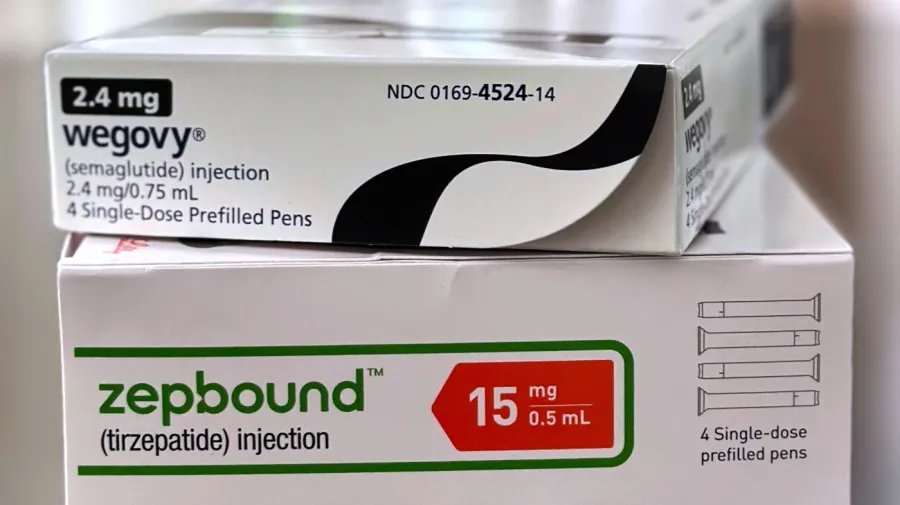
The FDA has issued a new warning tying GLP-1 therapies to a rare vision condition commonly described as an eye stroke, forcing the medical community to treat the class with clinical gravity instead of casual enthusiasm. For decision-makers, the consequence is that GLP-1s must now be managed as a drug class with real safety liabilities, not a lifestyle product with a friendly reputation.
The FDA has a new warning for the drug class that rewired how the world thinks about weight loss, and it concerns the eyes. The agency has flagged a rare but serious vision condition, commonly described as an eye stroke, in patients taking GLP-1 medications. That is the story in a single line, and it is a bigger deal than the line suggests. For roughly two years, the conversation around these drugs has been about supply shortages, monthly price tags, and whether your neighbor is on one. Now the regulator has attached a vision-threatening risk to the label, and that changes the terms of every conversation that follows.
Start with what an eye stroke actually is, because the phrase does a lot of work. It describes an interruption of blood flow to the optic nerve, the cable that carries images from the eye to the brain. It is not a stroke in the brain, but the damage rhymes: sudden, often painless vision loss that in many cases does not reverse. Rare conditions behave differently at scale. An event uncommon enough to disappear inside a clinical trial stops being invisible once millions of people are taking the drug. That arithmetic, not the severity alone, is what turns a footnote into a formal warning.
The more important shift is one of posture. GLP-1 therapies arrived as a cultural phenomenon before they settled in as a clinical one. Telehealth platforms wrote prescriptions at speed, compounding pharmacies filled gaps in supply, med spas added them to menus, and the drugs became small talk. Enthusiasm ran well ahead of diligence. A regulator's warning is the mechanism that resets the default, because it converts a scattered set of anecdotes into an expectation that every prescriber is supposed to know.
It helps to understand what an FDA warning is and is not. It is not a recall. It does not pull the drug from the market or invalidate its approval. What it does is move the baseline. It changes what the label says, what a prescriber is expected to disclose, what a patient is expected to be told, and what a plaintiff's attorney can point to years later. That is why the ripple lands on companies that never touch a syringe: insurers, employers, telehealth operators, and the clinics writing the scripts.
The first-order effects hit prescribers. Expect screening questions about vision history, documented informed consent, and a lower tolerance for casual refills. Telehealth operators, whose business model depends on frictionless conversion, now have to insert friction on purpose. Compounding pharmacies, already operating in a gray zone, face a harder defense. Employers and payers get a new variable in coverage decisions, because a rare but permanent side effect is exactly the kind of risk that utilization management exists to price.
Then watch the flywheel that follows any safety warning. Plaintiff firms read labels the way traders read filings, and a formal warning is a starting gun. Media coverage compresses years of clinical nuance into a headline about blindness, which is precisely the kind of story that changes patient behavior faster than any guidance document. The gap between what the data supports and what the public hears is where reputations get made and lost.
And then there is the business. Novo Nordisk and Eli Lilly turned this drug class into one of the most valuable franchises in modern pharma, and the growth story rests on volume. A safety signal does not have to be common to be consequential; it only has to change behavior. Supply chains can be rebuilt, manufacturing can be scaled, and pricing can be negotiated. Patient confidence is the one input that no capital expenditure fixes quickly.
The right question for executives is not whether GLP-1s work. For their approved indications, the evidence base is deep and the demand is real. The question is whether the ecosystem built on top of them can absorb a safety warning without overcorrecting. Companies that treat this as a communications problem will handle it badly. It is an operations problem: screening protocols, consent language, documentation standards, and monitoring that catches the rare case before it becomes the lawsuit. The blind spot in the headline is not the eye. It is the assumption that a drug this popular, this profitable, and this culturally embedded could stay casual forever. The FDA just closed that gap, and the organizations that move first on clinical gravity will be the ones still standing when the next warning lands.
This story's Key Insights and Take-aways are locked.
Create a free account to unlock Executive Actions for one credit.
Register to UnlockAlways free for Executives Club members. Join the Club
More in Politics
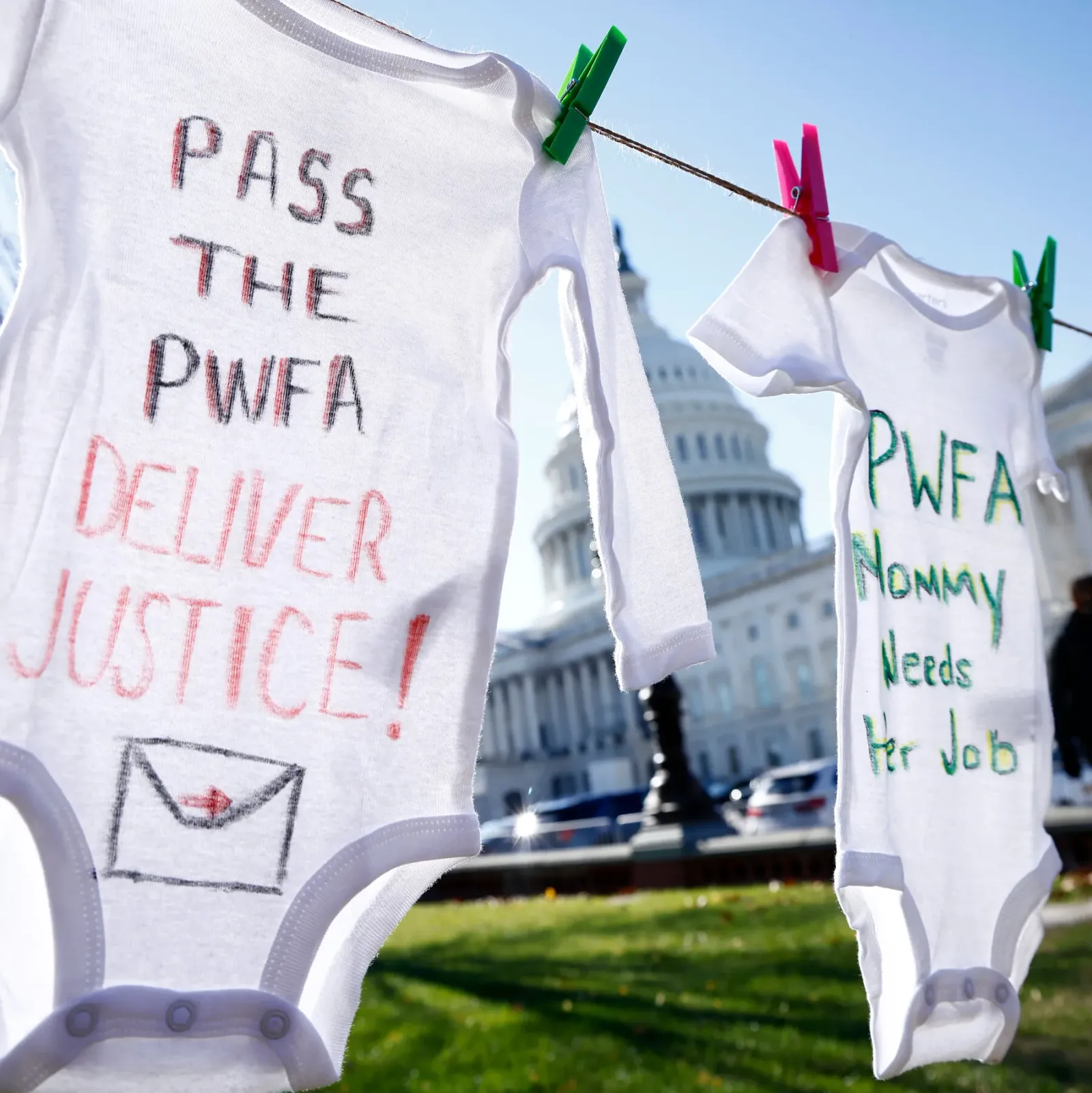
Fifth Circuit Kills Pregnant Workers' Law Over Pandemic Proxy Votes
A procedural ruling, not a policy one, has blocked a federal pregnancy-accommodation law and put every pandemic-era statute in the crosshairs ahead of an expected Supreme Court appeal.
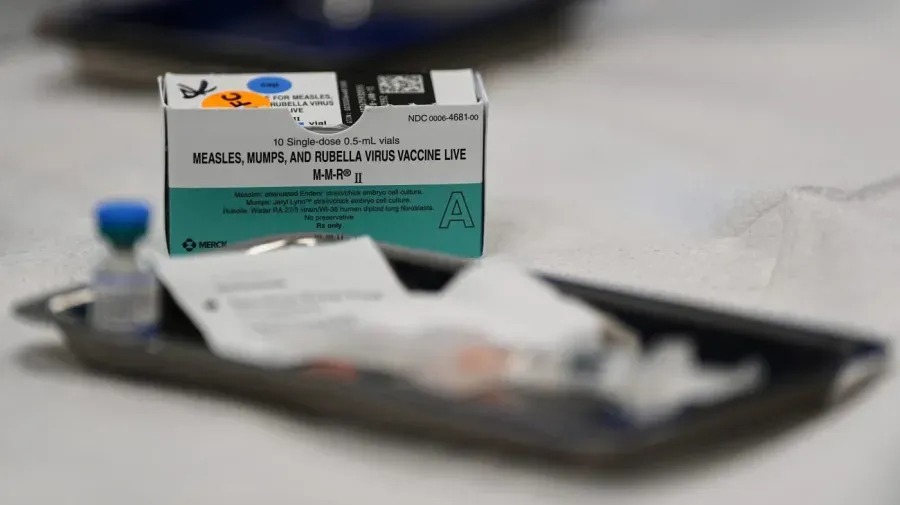
Measles kills a Virginia child under 5, the state's first death of 2026
Virginia's health department confirmed the death but withheld the child's vaccination status, leaving schools, clinics and employers to plan around the one detail that would explain the most.

Former Brazilian President Bolsonaro Hospitalized with Intestinal Obstruction
The health status of the former far-right leader raises immediate questions about political stability and the trajectory of Brazil's conservative movement.