
Frontier just priced unlimited flying at $399, with zero blackout dates
The ultra-low-cost carrier is selling a 2027 annual pass with no blackout dates at a promotional $399, betting subscription access beats one-off fares.
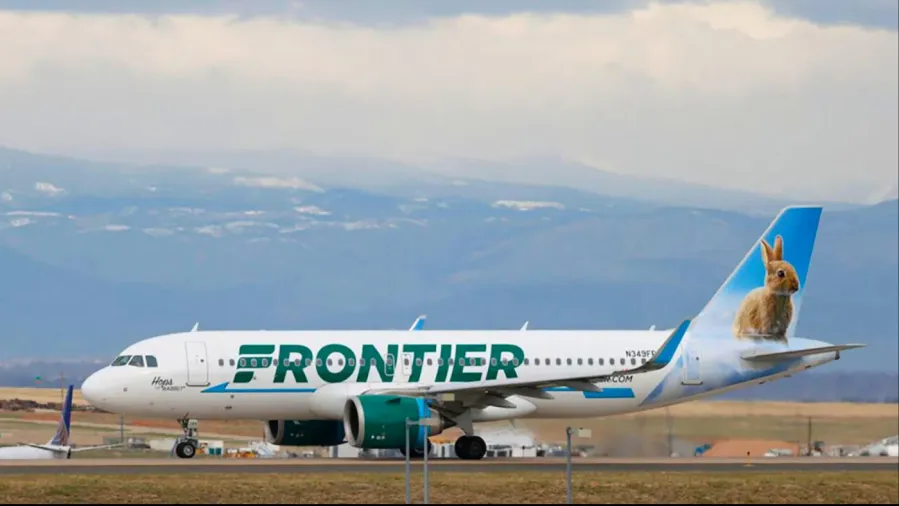
Frontier Airlines launched its 2027 GoWild Annual Pass, offering unlimited flights with no blackout dates at a promotional price starting at $399. The move tests whether subscription-style access can convert idle seats into high-frequency, ancillary-buying customers, a pricing question every carrier and travel operator is now watching.
Frontier Airlines has put a number on unlimited flying: $399. The ultra-low-cost carrier launched its 2027 GoWild Annual Pass, a subscription that promises unlimited flights with no blackout dates, at a promotional price starting at $399. Read that again. Not a fare sale, not a status match, not a bundle of credits that expire in ninety days. A year of seats, with the calendar restriction that usually does the quiet work of protecting an airline's revenue stripped out of the fine print.
The price is the hook, but the missing blackout dates are the story. Blackout dates are the standard escape hatch in travel promotions: they let an airline sell the dream of unlimited access while walling off the weeks when everyone actually wants to fly. Frontier's pitch removes that wall, at least on paper, and that is what makes $399 sound less like a gimmick and more like a bet. For context, a single round trip on a domestic route can easily approach that number, so the pass reframes the purchase entirely. The traveler stops buying trips and starts buying access.
Why would an airline do this? Because of how the ultra-low-cost model works. Carriers like Frontier typically earn a thin base fare and make up the difference on ancillary revenue: bags, seat selection, priority boarding, and the various add-ons that turn a cheap ticket into a normal one. A pass holder who flies twenty times a year and pays for a carry-on each time is a very different customer than a one-off leisure traveler. The marginal cost of filling an empty seat is close to nothing once the plane is already scheduled to fly, so the pass is a way to convert idle inventory into a stream of high-frequency customers who keep buying the extras.
The "starting at" qualifier matters too. Promotional pricing is a ladder, and the $399 figure is the bottom rung, the version designed to get the headline and the click. Travelers who arrive later, or who want terms beyond the entry tier, should expect the number to move. That is standard practice in subscription pricing across the travel industry, and it is the reason the launch price is best read as a marketing event as much as a product launch.
The no-blackout-dates promise is where the real risk sits, for both sides. For the traveler, the question that decides whether this is a steal or a lottery ticket is capacity: how many pass seats are actually released on any given flight, and what happens on the Sunday after Thanksgiving when everyone holding a pass wants the same metal. The announcement does not answer that, and it is the detail worth hunting before anyone hands over a card. For Frontier, the risk runs the other way. A pass holder who cannot get a seat on the routes and dates they want is a refund request, a complaint, and a churn event, not a loyal customer.
Who should actually care? The pass is built for a specific kind of traveler: someone with flexible dates, a home airport Frontier serves well, and a reason to fly the same routes repeatedly. Think remote workers, students with a home base and a campus, families split across two cities, or anyone whose job has gone distributed. It is a much worse fit for the business traveler who needs a specific departure time on a specific day, because flexibility is the product being sold, and the pass holder is the one supplying it.
Zoom out and the move fits a broader pattern: travel is being repackaged as a subscription. Airlines, hotels, and gyms have all discovered that recurring revenue is more predictable than transactional revenue, and that a member who has already paid is a member who keeps showing up. The strategic question for Frontier's peers is whether flat-rate access expands the market or cannibalizes the fares they would have sold anyway. If pass holders are mostly new flyers who would otherwise have stayed home, the model grows the pie. If they are the same customers paying less, it is a discount program with extra steps.
For executives outside aviation, the lesson is about pricing architecture. Frontier took its most confusing, most friction-filled product, the cheap seat with a hundred caveats, and sold it as one clean number with the biggest caveat removed. That is a positioning move as much as a pricing one, and it costs almost nothing to test. The number to watch is not $399. It is how many of those passes convert into repeat flyers, and how loudly the rest complain.
This story's Key Insights and Take-aways are locked.
Create a free account to unlock Executive Actions for one credit.
Register to UnlockAlways free for Executives Club members. Join the Club
More in Politics

Fifth Circuit Kills Pregnant Workers' Law Over Pandemic Proxy Votes
A procedural ruling, not a policy one, has blocked a federal pregnancy-accommodation law and put every pandemic-era statute in the crosshairs ahead of an expected Supreme Court appeal.

Measles kills a Virginia child under 5, the state's first death of 2026
Virginia's health department confirmed the death but withheld the child's vaccination status, leaving schools, clinics and employers to plan around the one detail that would explain the most.

Former Brazilian President Bolsonaro Hospitalized with Intestinal Obstruction
The health status of the former far-right leader raises immediate questions about political stability and the trajectory of Brazil's conservative movement.