
GameStop CEO called discs 'irrelevant' in July. Now he says digital hurt consumers
Ryan Cohen's reversal, four months after dismissing physical games as 'totally, totally irrelevant,' tests whether trade-ins can still carry GameStop as GTA 6 ships as a download code.
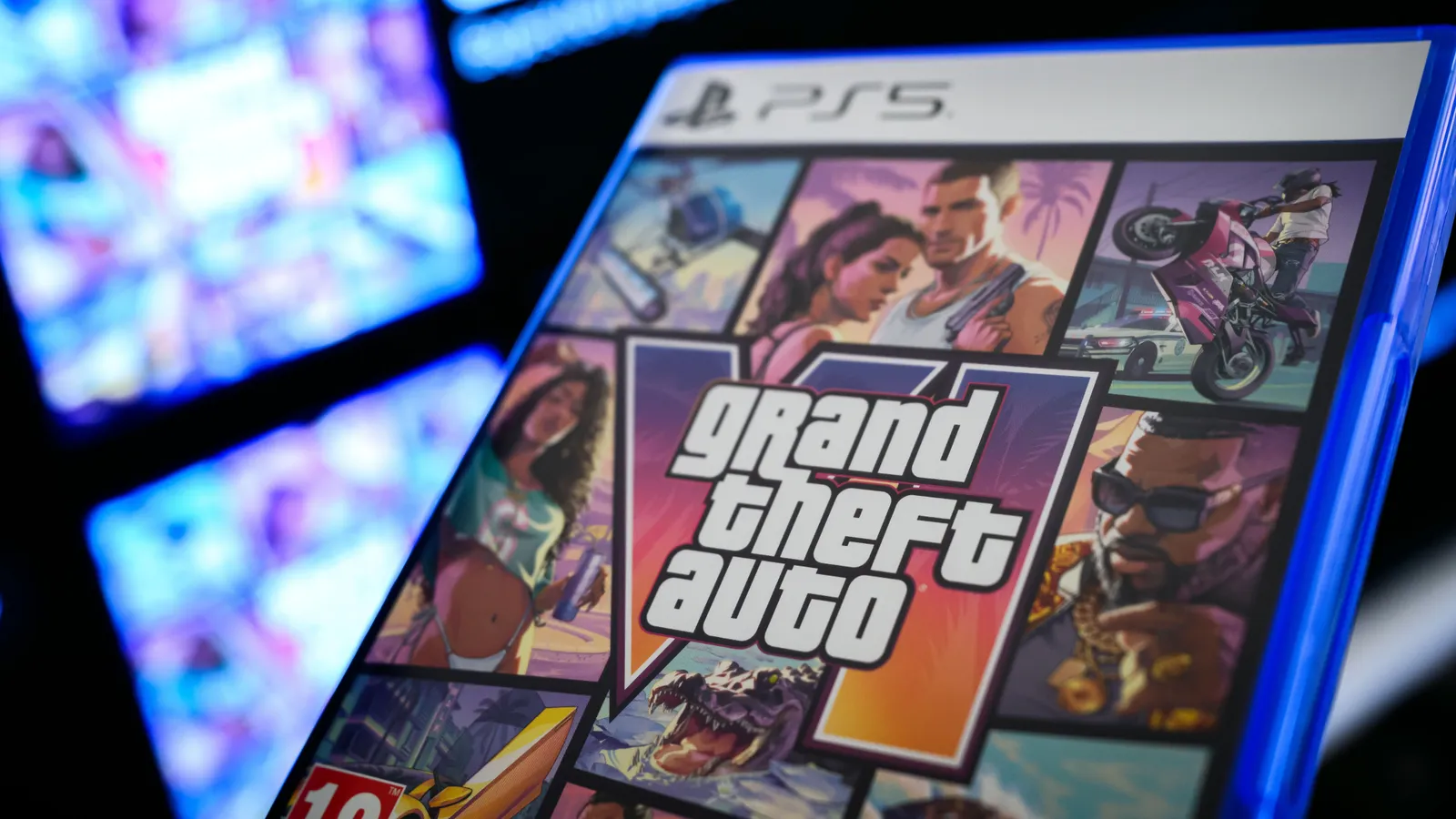
GameStop CEO Ryan Cohen told Bloomberg that the industry's shift to digital-only games has hurt both consumers and GameStop, four months after he dismissed physical game sales as 'totally, totally irrelevant.' His reversal lands as GTA 6 launches without a disc and preorders neared 20 million, forcing retail and platform leaders to reprice what resale rights and shelf space are actually worth.
Ryan Cohen, GameStop's CEO, used GTA 6's disc-free launch to fire at the publishers who stopped shipping plastic. "When you buy a game, you should be able to sell it, trade it or lend it to a friend," Cohen told Bloomberg. "Unquestionably, the decision to move to all digital has hurt consumers, and it's also hurt GameStop." He went further, arguing that publishers dislike trade-ins "because removing a used copy eliminates an alternative to buying new," and accusing them, without naming any specific publisher, of "taking away competition."
The timing is what turns a complaint into a story. Four months earlier, in July, Cohen was asked on a Bloomberg podcast about reports that Sony planned to phase out physical PlayStation discs by 2028. His answer was not a warning shot. "It is totally, totally irrelevant," he said of physical game sales, arguing GameStop had spent years pivoting away from traditional software toward higher-margin collectibles and trading cards. Now, with the biggest entertainment launch of the decade arriving without a resellable disc, the CEO of the company most exposed to that shift sounds considerably less indifferent. IGN framed the remarks as a well-timed shot across GTA 6's bow, and the contrast is hard to miss: the same executive who called discs irrelevant in July is now describing their disappearance as a consumer injury.
GTA 6 looks poised to shatter industry sales records regardless. Analysts estimated preorders neared 20 million before the game went on sale, and the boxed copies that do exist contain a digital download code inside rather than a disc. That single packaging decision removes the used-game loop entirely: no disc to resell, nothing for GameStop to buy back at a fraction of retail and mark up again, and no copy cycling back through its stores months after launch. Historically, that second-hand market has been a core engine of GameStop's revenue and, just as importantly, of the foot traffic that puts customers in front of the collectibles and trading cards Cohen has been betting the company on. A download code generates one transaction. A disc generates several.
Take-Two boss Strauss Zelnick has defended the call. Discs, he has argued, "don't really make sense for the consumer" when big games require a connection anyway. "In order to play video games, you need to be connected today," Zelnick said. "So everyone's connected. So it's just a matter of the most efficient way to get the title into people's hands." More recently, though, he declined to rule out a disc version of GTA 6 ever existing, comparing physical editions to vinyl in the recorded music business. "So that's where the world is going in our opinion and I think Sony understands that," Zelnick said in August. "We certainly understand that. It doesn't mean that we won't have physical additions now and then, I'm sure we will in the same way that there's still vinyl in the recorded music business. But in other instances, it just won't make sense."
Strip away the retail grievance and the real shift is about ownership. A disc is a transferable asset; a download code is a license tethered to an account and a storefront. For context, the second-hand console market has typically functioned as a shadow pricing mechanism, letting players fund a new purchase with an old one and giving retailers a margin line that publishers do not set. Remove the disc and publishers gain control over pricing, discounting and timing, while platform holders become the only resale-free storefront in town. Consumers get convenience. They also lose the ability to lend a game to a friend, which is precisely the scenario Cohen opened with. GameStop, meanwhile, loses the inventory that made it a destination rather than a showroom.
For executives watching this, the second-order effects run past one retailer. If the largest entertainment launch of the decade breaks records without a disc, the physical channel loses its last piece of negotiating leverage: the argument that shelf presence drives discovery and launch-week volume. Cohen's own pivot toward collectibles and trading cards was a bet that this day would come. His complaint now is less a forecast than a status report on how much of the old model is already gone, and how little of it the biggest game of the decade bothered to keep.
That is the strategic tension peers in similar seats should sit with. Every category that has gone digital-first has eventually answered the same question: what does the intermediary sell when the product stops being physical? Music answered with vinyl nostalgia and merchandise. Books answered with subscription bundles. Games are mid-answer, and GTA 6 is the loudest data point yet. Cohen has not named a publisher, has not threatened a specific action, and has not walked back his July position on the record. What he has done is stake out a public position on resale rights four months after calling them irrelevant, which is the kind of reversal that tends to precede a real negotiating stance.
What to watch from here is narrow and measurable. Whether Zelnick's "now and then" physical editions actually materialize for GTA 6, whether Sony's reported 2028 disc phase-out proceeds on schedule, and whether GameStop's collectibles and trading card margins can replace the traffic that trade-ins historically delivered. If the answers break Cohen's way, his July comment ages badly and his Bloomberg quote becomes the industry's conscience. If they break the other way, GTA 6 will have quietly proven that the biggest game in the world did not need GameStop at all.
This story's Key Insights and Take-aways are locked.
Create a free account to unlock Executive Actions for one credit.
Register to UnlockAlways free for Executives Club members. Join the Club
More in Business

S&P 500 Enters Correction, Down 10% From Its High on AI Worries
The index's slide past the 10 percent line is a symbolic verdict on investor mood, and the AI trade that powered the rally is now the thing testing it.

Dow and S&P 500 enter correction as Nasdaq logs worst week since 2020
All 11 S&P 500 sectors fell more than 1% in the same week for the first time since April 2025, a breadth signal that matters more than any single index level.

Chip stocks lose $2.3 trillion in a week, worst run in 25 years
A $2.3 trillion weekly wipeout in semiconductors is forcing every board with an AI story to ask whether it owns a thesis or just a crowded trade.