

Google Sets Kill Date: Nest App and Assistant Shut Off January 25, 2027
A single migration date now governs millions of Nest thermostats, cameras, and alarms, and the Assistant that answered them is being retired too.
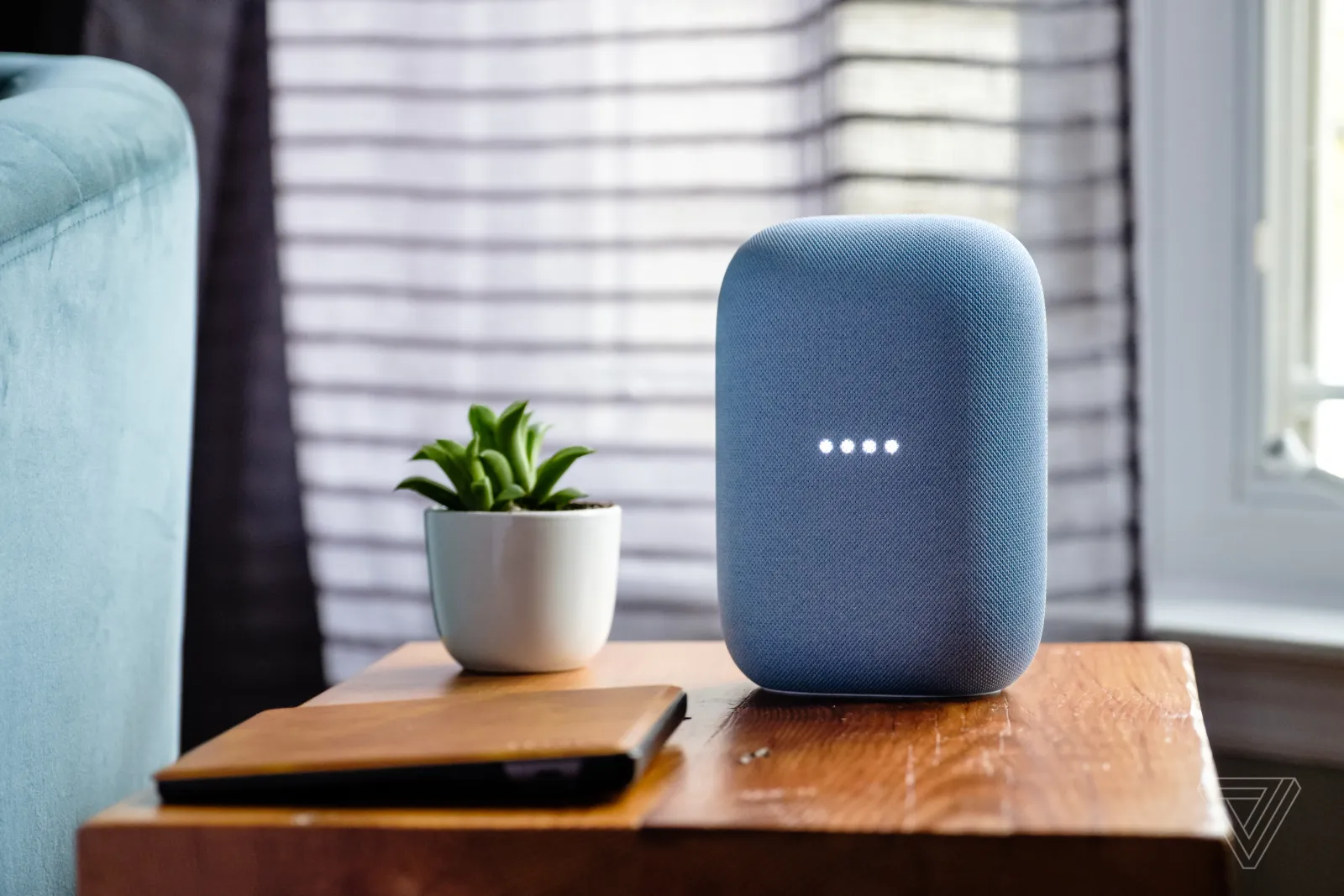
Google is shutting down the Nest app on January 25, 2027 and retiring Google Assistant on its smart home devices, automatically moving Nest thermostats, cameras, Nest Protect alarms, and Nest Aware subscriptions into the Google Home app. For decision-makers, the lesson is that a platform owner can force a hard cutover on an installed base, and the cost of that migration lands on the customer.
Google has finally put a date on the end of an era. On January 25, 2027, the company will shut down the Nest app, the software that has controlled its thermostats, cameras, and Nest Protect alarms for years, and push those products into the Google Home app instead. The same announcement retires Google Assistant on the company's smart home devices, which means the voice layer millions of people use to set a thermostat or pull up a camera feed is being wound down alongside it. Google is calling this a smart home software cleanup. For anyone with Nest hardware on a wall or a shelf, it is a deadline.
The mechanics are the part worth reading twice. According to Google, if you get the Google Home app set up, your Nest devices move over on that January 25 date, and that includes cameras and video history. Nest Aware, the subscription that stores and processes footage, transfers automatically too, including the 1st Gen tier. This is not a migration customers opt into. It is one they get enrolled in. That distinction is the whole story for the installed base: the default is the move, and the burden of doing anything different lands on the owner, not the platform.
Why now? Consolidation is the obvious answer, and it has been building for a decade. Google bought Nest back in 2014 for roughly $3.2 billion, then folded the brand into its hardware division in 2018, and has spent the years since merging overlapping software. Running two apps for one product family is expensive: two codebases, two support queues, two sets of security patches, two teams chasing the same bug. Historically, platform owners in consumer hardware eventually collapse the older surface into the newer one, and the older surface is always the one with the smaller strategic future. The Nest app just ran out of future.
The Assistant retirement is the more revealing half of the announcement. Google launched Assistant in 2016 as its flagship consumer AI, and it shipped on phones, speakers, and displays. Retiring it on smart home devices signals that the ambient computing bet is being re-cut around newer AI models rather than extended. For the reader, the practical consequence is simple: the voice command your household has trained itself to use is not guaranteed to survive the transition in the same form. Voice interfaces are the stickiest part of a smart home, and they are also the easiest thing for a platform to change without asking.
Then there is the money underneath. Smart home hardware is a low-margin business; the subscription attached to it is not. Nest Aware is recurring revenue, and recurring revenue depends on retention, which depends on how painful the app is to use. Consolidating into Google Home gives Google one place to sell, bundle, and upsell services across cameras, thermostats, and alarms, and one place to run its own AI features. It also raises the switching cost for anyone who has spent years building automations, routines, and shared household access inside the Nest app. When a platform moves you, it also gets to redefine what your setup can do.
For operators and investors watching the smart home market, the playbook here is familiar and worth naming. Amazon, Apple, and Samsung all compete on the same turf, and each has, at various points, pushed customers toward a single first-party app while supporting cross-platform standards in public. The tension is structural: interoperability standards make hardware easier to swap, while app consolidation makes the ecosystem stickier. Google is doing the second while the industry talks about the first. Expect every competitor to face the same question, and expect the answer to be the same, because the economics point one way.
If you own Nest gear, the calendar is the actionable item. January 25, 2027 is the date the Nest app goes dark, and the migration is automatic once the Home app is set up, so the real work is verifying that your cameras, video history, and Nest Aware subscription land correctly on the other side. Do it early, not the week of. If you run a team that depends on these devices, whether in an office, a rental portfolio, or a retail floor, treat this as a vendor migration with a hard cutover and assign an owner.
The bigger lesson is about defaults. Google is not asking its customers to choose; it is choosing for them and handing them a date. That is how platform consolidation usually works, and it is why this announcement matters well beyond thermostats. The companies that win the next decade of the connected home will not be the ones with the best hardware. They will be the ones that own the app, the subscription, and the default. Google just made its move.
This story's Key Insights and Take-aways are locked.
Create a free account to unlock Executive Actions for one credit.
Register to UnlockAlways free for Executives Club members. Join the Club
More in Technology

Anthropic mathematician claims Claude helped crack the Riemann hypothesis
If the proof holds, AI has toppled math's most famous open problem; if it does not, it is a case study in announcing breakthroughs before anyone verifies them.

AI's $4 Trillion Wipeout Erases Nasdaq's Gains for the Year
A brutal week took roughly $4 trillion off the AI sector and left the Nasdaq flat for the year, and the damage ran the full length of the supply chain.

Anthropic mathematician says AI proved the Riemann hypothesis. Verification will take time.
A single unverified claim from inside Anthropic now sits against more than 160 years of open mathematics, and the gap between asserting a proof and surviving peer review is the entire story.