
GOP Rep. Burchett calls GTA 6 a 'how-to video,' blasts parents as 'wolves'
A sitting congressman turned a blockbuster launch into a parenting indictment, reviving a fight the game industry has fought through ratings, not statutes.
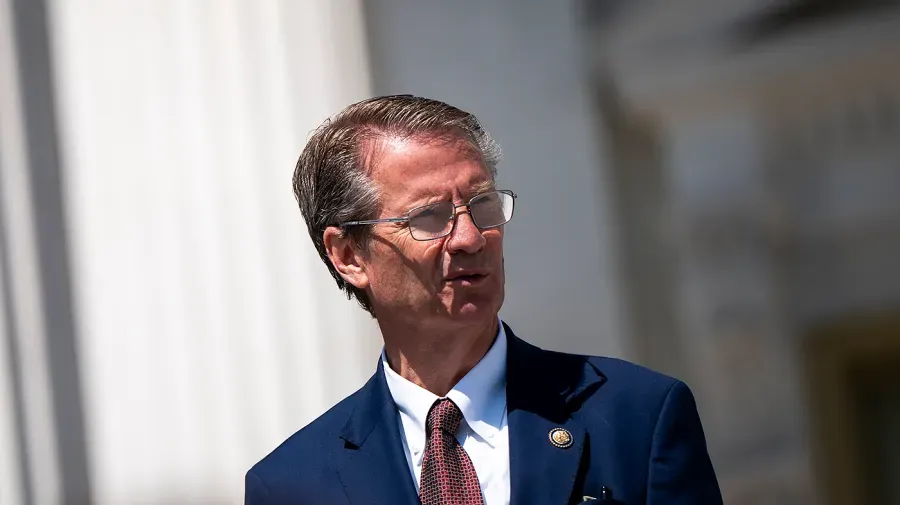
Rep. Tim Burchett (R-Tenn.) told TMZ that Grand Theft Auto 6 is 'really just more of a how-to video' and asked whether parents who let their kids play it are 'wolves,' as the game rolls out this week. The remark turns a commercial launch into a political event, putting retail partners, platform holders, and advertisers on notice that mature-rated products now carry launch-window reputational risk.
A sitting Republican congressman has a message for parents during Grand Theft Auto 6's launch week: let your kid play it and, in his framing, you are raising them like wolves. Rep. Tim Burchett (Tenn.) told TMZ on Wednesday that the game is 'really just more of a how-to video,' and he aimed his sharpest criticism not at the publisher but at the household. 'These kids' parents, are they wolves or something, raising their kids?' he said. The Hill's headline on the exchange was blunter still: Burchett says you're a 'bad parent' if you let your child play GTA 6. That is a sitting member of Congress, on the record, during launch week, describing a video game as a training manual.
Why this lands harder than the usual moral panic: the timing. GTA 6 is rolling out this week, which means a marquee entertainment launch is now also a political event. Burchett did not announce a bill, a hearing, or a regulatory push in the remarks as reported. He did something arguably more effective in the attention economy. He handed the game a free headline and handed parents a guilt trip. For the studio behind the franchise, that cuts both ways. Outrage is reach, and reach is revenue. But outrage also invites scrutiny from retailers, platform holders, and advertisers who would rather not be asked to pick a side.
Grand Theft Auto is not a niche property. The franchise, developed by Rockstar Games and owned by Take-Two Interactive, has spent nearly three decades as one of the most commercially dominant and culturally contested products in entertainment, historically among the best-selling video game series of all time. Its titles carry an M, or Mature, rating from the Entertainment Software Rating Board, the industry-funded body that assigns age ratings in the United States. That rating is not a legal restriction. It is a label, backed by voluntary retail policies: major chains typically card buyers for M-rated titles, the same way they would for an R-rated movie ticket.
The legal ground here is well worn. In 2011, the Supreme Court struck down a California law that would have restricted the sale of violent video games to minors, holding that games are protected speech under the First Amendment. That decision, Brown v. Entertainment Merchants Association, is the reason the American debate over game content has played out through ratings, retailer policy, and parental pressure rather than statute. It is also why a congressman's soundbite carries more cultural weight than legal force. He can shame. He cannot ban.
What the industry points to instead is a stack of tools that already exists: console-level parental controls, account restrictions, time limits, and the M rating itself. Whether those tools work is a separate question from whether parents use them, and that gap is where the political argument lives. Burchett's framing puts the responsibility on the household. Critics of that framing typically argue it lets publishers off the hook for marketing that reaches younger audiences. Both arguments have been running since the first GTA generated its first controversy, and neither has been settled by a launch.
There is a broader pattern worth naming. Lawmakers across the spectrum have spent the past several years turning tech and media products into campaign material, from social platforms to app stores to age-verification laws at the state level. Video games are an easy target because the imagery is vivid, the audience is young, and the constituency that defends them is diffuse. A TMZ interview costs nothing and travels everywhere. For a member of Congress, that is an unusually efficient trade.
For executives, the practical read is that launch windows are now political windows. A blockbuster release is a moment when a brand is maximally visible and maximally exposed, and the reputational risk is no longer confined to review scores. Marketing teams should expect questions from retail partners, platform holders, and advertisers about placement, targeting, and age gating. Investor relations teams should expect the same questions from anyone holding consumer and media exposure. None of this requires a new law to move a stock or a shelf position. Attention alone does the work.
The stakes for peers in similar seats are straightforward. Any company shipping a mature-rated or culturally charged product into a polarized market should assume a lawmaker will eventually say something about it, and should decide in advance whether to engage, ignore, or quietly tighten its own guardrails. Burchett's quote will be forgotten by most people within a news cycle. The pattern it belongs to will not. The next launch is already on someone's calendar, and so is the next soundbite.
This story's Key Insights and Take-aways are locked.
Create a free account to unlock Executive Actions for one credit.
Register to UnlockAlways free for Executives Club members. Join the Club
More in Politics

Fifth Circuit Kills Pregnant Workers' Law Over Pandemic Proxy Votes
A procedural ruling, not a policy one, has blocked a federal pregnancy-accommodation law and put every pandemic-era statute in the crosshairs ahead of an expected Supreme Court appeal.

Measles kills a Virginia child under 5, the state's first death of 2026
Virginia's health department confirmed the death but withheld the child's vaccination status, leaving schools, clinics and employers to plan around the one detail that would explain the most.

Former Brazilian President Bolsonaro Hospitalized with Intestinal Obstruction
The health status of the former far-right leader raises immediate questions about political stability and the trajectory of Brazil's conservative movement.