
GTA 6 Ate 24% of Comcast's Peak Traffic and Broke a 63-Year Record
One game release delivered Comcast its busiest day since 1963 and handed Take-Two $3.79 billion in 24 hours, a signal for every network planner and media investor.
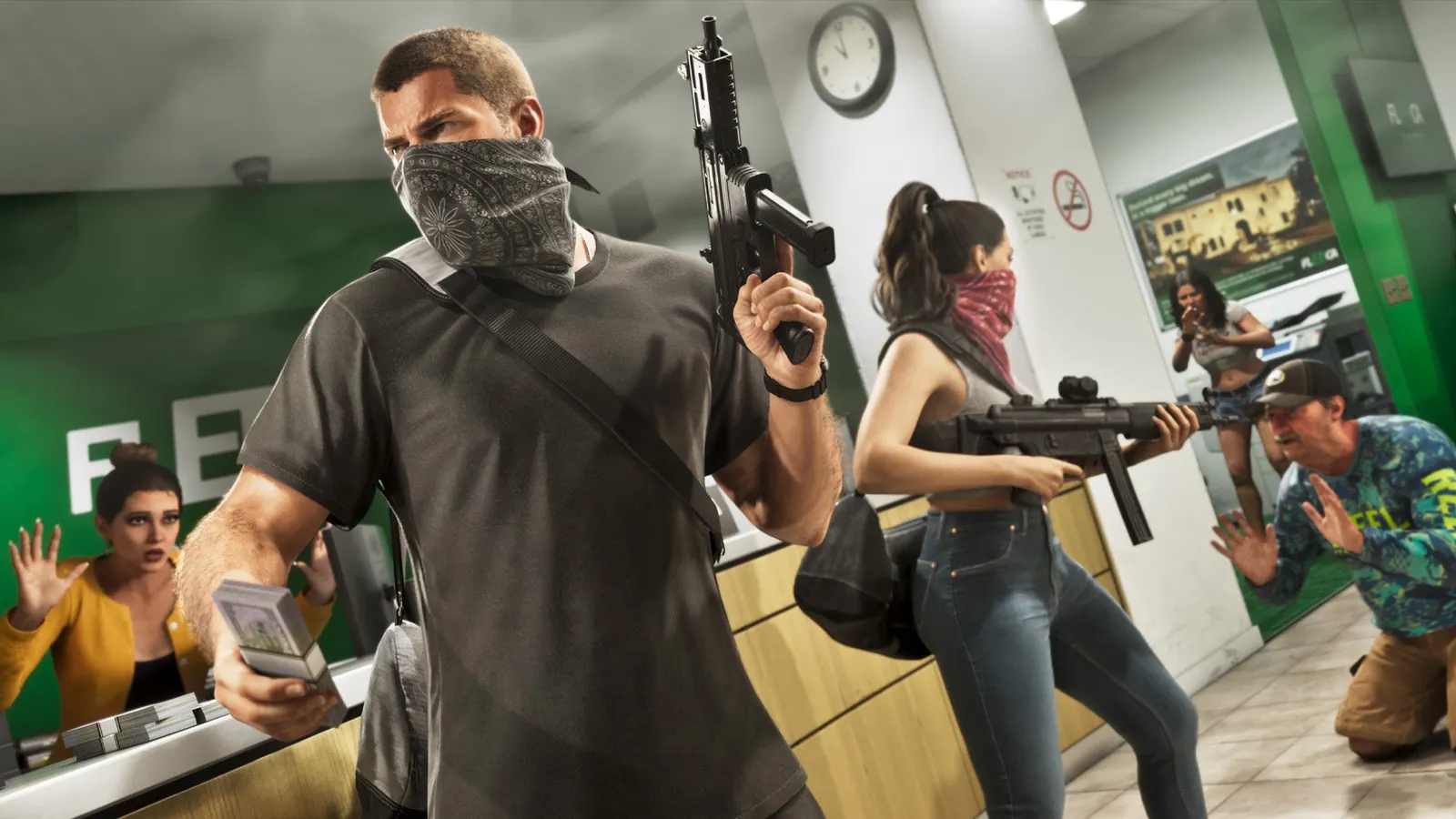
Comcast confirmed that pre-loads for Grand Theft Auto 6 delivered the busiest traffic day in its 63-year history, with 24% of peak internet traffic coming from a single game. For telecom, media, and investment leaders, the record reframes major game release calendars as infrastructure and capital-planning events.
Comcast just logged the busiest traffic day in its 63-year history, and a single video game is the reason. The U.S. media and technology giant, founded in 1963, confirmed that pre-loads ahead of Grand Theft Auto 6 pushed November 18 to an all-time peak that was not close. Traffic ran 31% above the average day and 9.6% higher than the previous record. The number that should stop network planners cold: 24% of all Comcast internet traffic at peak times came from users downloading and playing the game. Five of the ten busiest days Comcast has ever recorded now belong to one Rockstar Games release.
To make the volume legible, Comcast offered a comparison. The traffic generated on PlayStation and Xbox alone on November 18 carried enough data for one million homes to stream The Odyssey in 4K for two days straight. On Xbox consoles, GTA 6 drove a 4x increase in traffic that day. Twitch traffic rose by almost 50% on November 18 and kept climbing in the days after, meaning people who were not playing the game were watching it. The title formally launched November 19 for PlayStation 5 and Xbox Series X/S, though the New Zealand trick let a large chunk of players start hours early, spreading the surge across a wider window than a single midnight unlock would.
Then there is the money. Take-Two Interactive, Rockstar's parent company, reported earning $3.79 billion in the first day after release. That makes GTA 6 not just the biggest video game launch of all time but, on Take-Two's numbers, the biggest entertainment launch across any medium. Critics did their part too: the game is now the highest-rated of all time, and IGN was among the outlets handing it a 10/10, writing that it is "the single most impressive video game I have ever played." A record-breaking telecom day is downstream of a record-breaking commercial day, and both landed inside 48 hours.
Why should anyone outside gaming care? Because telecom networks are engineered around averages plus headroom, and a 31% spike above normal, with the previous record beaten by nearly ten points, is the kind of event that eats that headroom fast. The striking detail is concentration. Nearly a quarter of peak traffic went to one title, from one publisher, on one date. That is not a diffuse rise in streaming or browsing; it is a scheduled, single-point load that carriers can forecast and still struggle to absorb. Comcast held the line, but the gap between a record day and a bad day is now a question worth putting in front of a board.
The timing tells its own story. The record fell on November 18, the day before launch, because that is when pre-loads moved the file onto consoles. Pre-load windows exist so that servers do not collapse at midnight, and they typically shift the heaviest demand onto a period publishers announce in advance. In theory that gives internet providers a planned event they can provision for. In practice, Comcast still broke its 63-year record, which suggests the constraint was not surprise but sheer scale: the install base was simply larger than the network's normal headroom assumed.
Attention behaved the same way. Twitch's nearly 50% jump on launch day, and its continued rise afterward, shows the launch monetized the audience twice: once through game sales, and again through watch time, ad inventory, and creator revenue. For media and advertising executives, that is the more portable lesson. A tentpole release is no longer just a product event; it is a scheduling event that competes with, and can swamp, everything else on the calendar. Anything launching the same week as a GTA-sized title is fighting for bandwidth and eyeballs at the same time.
The second-order effects run in several directions. For telecom finance chiefs, a day like this is a capex argument: capacity built for the average day gets tested by a game, while capacity built for the game sits idle most of the year. For Take-Two investors, $3.79 billion in 24 hours resets expectations for what a premium release can return, and raises the bar for every launch that follows it. For platform holders at Sony and Microsoft, the 4x Xbox traffic jump is a reminder that console networks now carry the same traffic profile as a major streaming premiere.
The strategic takeaway is that interactive entertainment has crossed from a niche traffic category into national infrastructure math. A publisher's release calendar is now an input into how carriers plan capacity, how advertisers plan spend, and how competitors plan their own windows. Comcast's record will not stand forever, but the shape of it matters: one title, one date, a quarter of peak traffic. The next company that assumes its busiest day is driven by streaming or remote work has already mis-modeled the year ahead.
This story's Key Insights and Take-aways are locked.
Create a free account to unlock Executive Actions for one credit.
Register to UnlockAlways free for Executives Club members. Join the Club
More in Business

S&P 500 Enters Correction, Down 10% From Its High on AI Worries
The index's slide past the 10 percent line is a symbolic verdict on investor mood, and the AI trade that powered the rally is now the thing testing it.

Dow and S&P 500 enter correction as Nasdaq logs worst week since 2020
All 11 S&P 500 sectors fell more than 1% in the same week for the first time since April 2025, a breadth signal that matters more than any single index level.

Chip stocks lose $2.3 trillion in a week, worst run in 25 years
A $2.3 trillion weekly wipeout in semiconductors is forcing every board with an AI story to ask whether it owns a thesis or just a crowded trade.