
GTA 6 Is a Record Hit. Its Own Devs Still Fear Layoffs.
Rockstar animation programmer Nestor Uriarte is making the union case as the IWGB recognition vote runs to November 26, with AI and post-launch redundancies on the line.
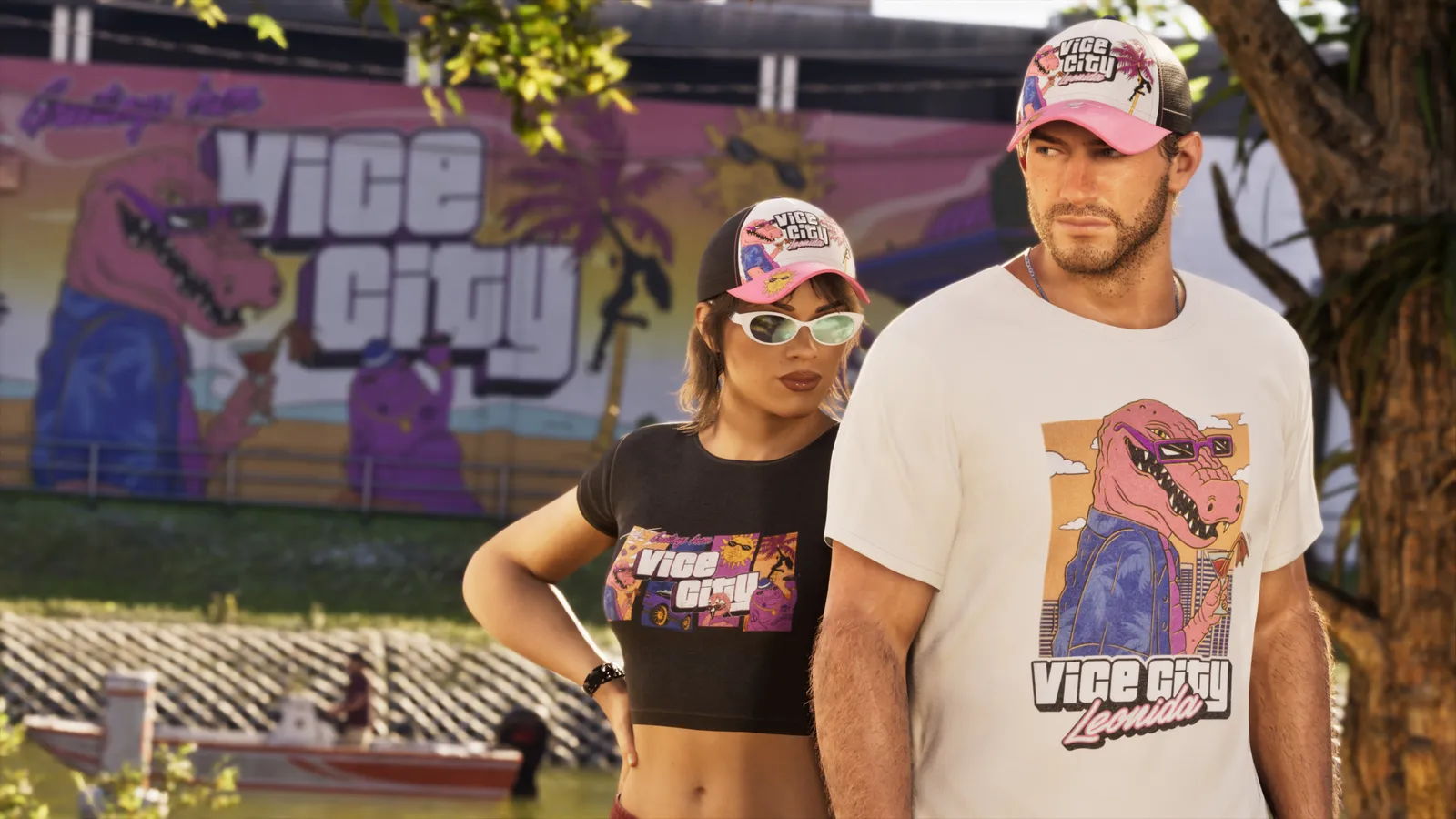
Rockstar animation programmer Nestor Uriarte used a Guardian op-ed to argue for unionization as the IWGB recognition vote at the studio runs until November 26, even as GTA 6 ties the all-time review record and breaks Twitch streaming records. For executives, the vote tests whether a record-breaking launch protects the people who built it, or becomes cover for post-launch cuts and AI-driven role changes.
GTA 6 is, by the numbers, a triumph. Rockstar's long-awaited sequel is tied with the original Ocarina of Time as the best-reviewed game of all time, it has already broken streaming records on Twitch, and preorder data points to a haul that will likely make it one of the most lucrative entertainment releases ever. And yet the people who built it are openly worried about losing their jobs. Nestor Uriarte, an animation programmer at Rockstar, made that case in an opinion piece for The Guardian published ahead of a union recognition vote at the studio.
Uriarte's argument is blunt: the industry has trained workers to expect a hangover after every high. "While the highs of a game release like this can be incredible, game workers have also come to expect other, less welcome side effects: intense overtime in the buildup and mass redundancies in the aftermath," he wrote. He is careful to note there is no indication that layoffs are actually coming at Rockstar. But the vote he is writing toward is real, and it is live now. Balloting on recognition of the IWGB union at Rockstar runs until November 26. If it passes, it would be the biggest recognized union in U.K. games history.
The anxiety is not abstract. The year has been littered with layoffs across gaming. Ubisoft cut 166 jobs from its Montreal and Quebec offices. Xbox has been notorious for job cuts, with CEO Asha Sharma attempting to "reset" the company, and Microsoft CEO Satya Nadella has publicly cheered those cuts on, calling them "great to see." For a Rockstar employee watching peers at other studios get walked out the door, a record-breaking launch is not a shield. It is a deadline.
Then there is AI. Uriarte says the Rockstar team is worried about the role AI will play in the industry going forward, and specifically about being replaced by it. Take-Two CEO Strauss Zelnick, whose company owns the GTA franchise, laughed off the idea back in March that anyone could build a game at GTA 6's scale and quality with a simple prompt, though in that same interview he acknowledged some AI tools are genuinely helpful for game creation. Uriarte's framing is about leverage, not doom: "Across the sector, the skills that workers spend years developing risk being devalued as their creative work is replaced by AI. Rockstar has said it is committed to preserving jobs and it has been clear that our games will continue to be made by people. But with recognition we'd have a seat at the table to manage this industry-wide transition together."
The campaign has not been smooth. Rockstar fired dozens of staff members during the organizing effort, which led to accusations of union busting. That context shapes how the vote reads. A recognition vote is not just a yes-or-no on dues; it is a referendum on whether a studio that says its games will always be made by people will formalize a mechanism for workers to hold it to that.
The deeper story is structural, and it shows up far beyond games. Hit-driven industries tend to concentrate rewards at the top of the org chart while the cost of making the hit gets carried by contract and project staff who are let go once the work ships. A blockbuster launch can actually increase pressure, because the studio has already absorbed the fixed cost of development and now wants to run lean until the next cycle. That is the pattern Uriarte is naming: intense overtime in the buildup, mass redundancies in the aftermath. It is also why a union vote at the moment of maximum commercial success is strategically smart. Leverage is highest when the company is winning and the public is watching.
For executives and boards watching this, the Rockstar vote is a preview of a governance question arriving at every studio, and increasingly at every company that ships creative or knowledge work. Two forces are colliding: AI tooling that can compress headcount, and a workforce that has watched enough post-success layoffs to organize preemptively. The playbook that treats a hit launch as cover for a quiet restructuring is getting more expensive. Rockstar's own stated commitment, that its games will continue to be made by people, is now the standard it will be measured against, and a recognized union would give workers a formal seat at the table to enforce it. The vote closes November 26. Whatever the result, the question it raises does not go away: if the biggest entertainment release of the year cannot protect the people who made it, what exactly does?
This story's Key Insights and Take-aways are locked.
Create a free account to unlock Executive Actions for one credit.
Register to UnlockAlways free for Executives Club members. Join the Club
More in Business

S&P 500 Enters Correction, Down 10% From Its High on AI Worries
The index's slide past the 10 percent line is a symbolic verdict on investor mood, and the AI trade that powered the rally is now the thing testing it.

Dow and S&P 500 enter correction as Nasdaq logs worst week since 2020
All 11 S&P 500 sectors fell more than 1% in the same week for the first time since April 2025, a breadth signal that matters more than any single index level.

Chip stocks lose $2.3 trillion in a week, worst run in 25 years
A $2.3 trillion weekly wipeout in semiconductors is forcing every board with an AI story to ask whether it owns a thesis or just a crowded trade.