
GTA 6 posts a 99 Metascore after 8 years, tying Ocarina of Time
Rockstar's record-tying launch shows what an eight-year, high-cost bet can still buy, even as the rest of the games industry cuts staff and argues about AI.
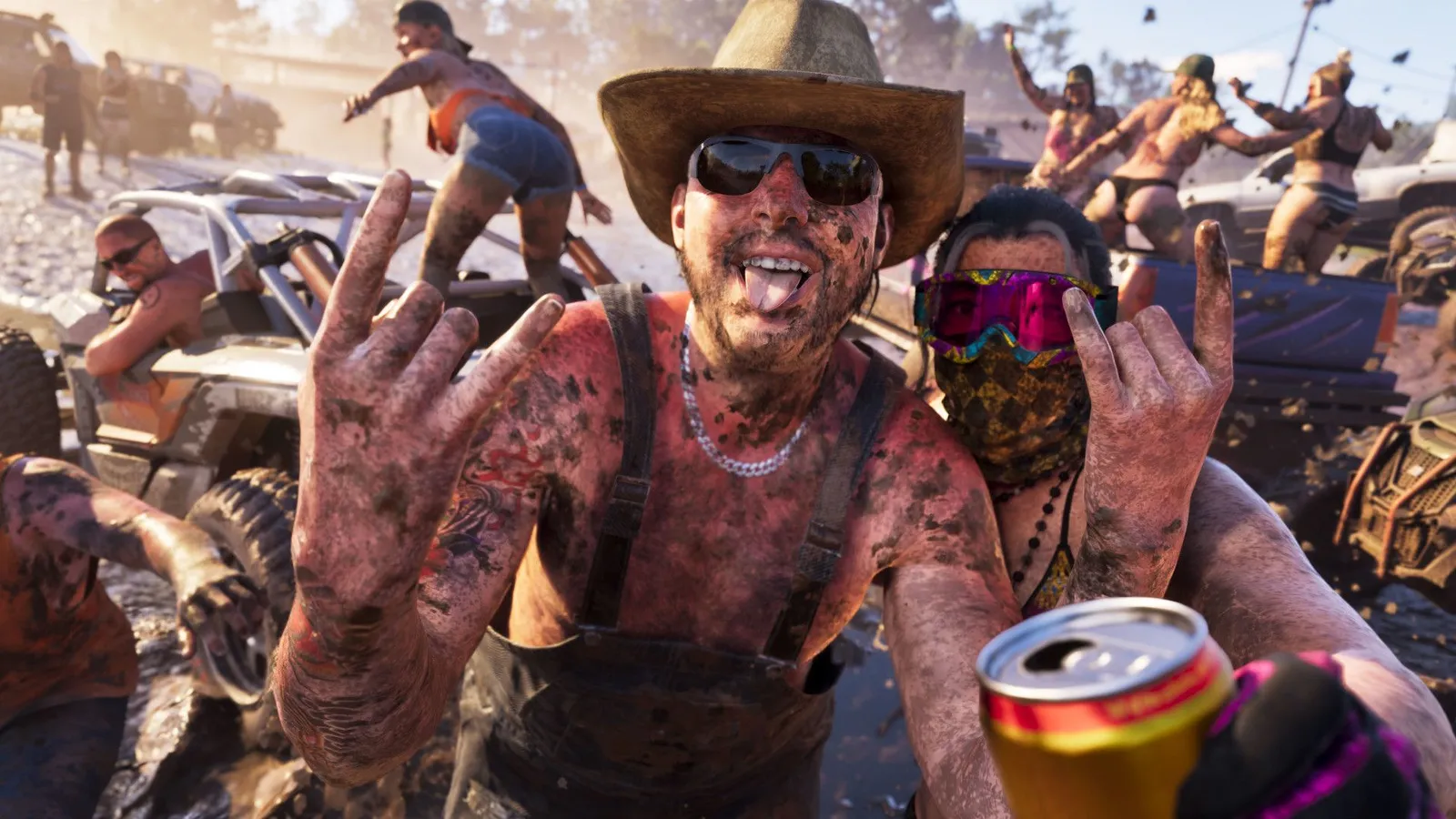
Rockstar's GTA 6 has landed a 99 Metascore, tying 1998's The Legend of Zelda: Ocarina of Time for the highest-rated game of all time, and its developers are publicly celebrating an eight-year build. For leaders outside gaming, the launch is a live case study in whether a very long, very expensive bet can still clear a market that is cutting staff, arguing about AI, and absorbing higher hardware costs.
GTA 6 has a 99 Metascore. That ties 1998's The Legend of Zelda: Ocarina of Time for the highest-rated game of all time, and it does so with far more reviews factored in than the Nintendo classic ever faced. Rockstar met the moment: years of anticipation, an unparalleled budget, and unprecedented hype have produced a reception GamesRadar+ describes as unlike anything its writer has seen in 10 years covering video games. The consensus is close to unanimous. GTA 6 is, by that account, a bona fide masterpiece.
The most striking thing about launch day is who is doing the talking. Not marketers, not a polished sizzle reel, but the rank and file. "HOLY... I don't know what to say, after working on this game for almost 8 years, I'm so proud of what we all accomplished together, I feel like a kid on Christmas morning! I hope you all enjoy!" That is senior environment artist Jonathon Gregory Bick. Associate lead programmer Allan Walton wrote on Twitter: "Having a proper moment at the launch and the reviews coming in. So happy it's finally out and it's been received so well. Congrats to the team who've worked so hard for this." Production coordinator Navya Manaswitha added: "From us to you. Truly grateful to be a part of this masterpiece. Still feels surreal!" A senior QA tester posting as Jodie put it: "Today's been fucking mental. Best team in the world. Hope y'all have the best time in Leonida!!" The short ones landed too, all dated November 18, 2026: "WE DID IT!!!!! LETS GOOOOOOOOOOOO," "wow, mind blown! thanks everyone," and a simple "Wooooottttttt!!!"
That eight-year number is the part operators outside gaming should sit with. Studios routinely staff projects for two to four years; eight is long enough that the people who started the work have watched colleagues leave, watched the tools change, and watched the market they were building for get rewritten at least twice. The payoff, when it arrives, is not a bonus check. It is the moment Bick describes, and it is the single hardest thing in product development to manufacture on purpose. Reviews like these are the compounding interest on patience most companies cannot stomach.
The review consensus itself is unusually specific about what Rockstar bought with that time. "GTA 6 is the highest-fidelity sandbox of its generation," writes GamesRadar+ editor-in-chief Josh West. "Rockstar has built an open world of truly astonishing scale, scope, and quality. There's a degree of sophistication to everything GTA 6 does, and there's no aspect of the series' gameplay that hasn't been improved over past instalments." Read that again as a management claim rather than a review: scale, scope, quality, and no feature left unimproved. That is what a long horizon funds when a company resists the urge to ship early.
Rockstar boss Sam Houser marked the moment with a rare statement, saying "We are incredibly grateful" and that the studio looks "forward to many more years of sharing these experiences with you." Houser's decision to speak at all is its own signal. When a launch is going well, leadership usually steps back and lets the work talk. Speaking up suggests the company wants the credit to land somewhere durable, with both the team and the audience that waited. Meanwhile the rollout itself is a test of patience: players in different time zones are still waiting for the GTA 6 release time in their region, and the fictional state of Leonida is only just opening its doors.
The backdrop makes the contrast sharper. The games industry is in a messy place right now, with ongoing layoffs, difficult AI conversations, and exorbitant hardware prices. Very few games, if any, rival GTA when it comes to unifying an audience in jubilant celebration amid that much turbulence. But a single triumph is not a recovery. A 99 Metascore rescues one studio's year; it does not refill the hiring pipelines that were cut across the sector, and it does not settle the argument over how generative tools get used in production. Boards that read one hit as an all-clear are reading the wrong document.
What the launch does prove is narrower and more useful. Long-horizon investment can still produce an outcome that the market treats as an event rather than a product, and the goodwill it generates is partly attributable to the people who made it being visible and genuinely moved. Competitors hiring into a layoff-heavy market cannot easily replicate that. The developers posting on November 18, 2026 are not a marketing asset; they are the evidence that the bet was worth making, and they are the reason the next eight-year project will be easier to staff.
The open question now belongs to everyone watching from outside: how long does the afterglow last? Review scores fade, launch windows close, and time zones eventually catch up. What remains is whether Rockstar's peers draw the right lesson, that patience is a strategy and not a luxury, or the wrong one, that one record-setting release means the turbulence is over. The scoreboard says 99. The strategy question is still unanswered.
This story's Key Insights and Take-aways are locked.
Create a free account to unlock Executive Actions for one credit.
Register to UnlockAlways free for Executives Club members. Join the Club
More in Technology

Anthropic mathematician claims Claude helped crack the Riemann hypothesis
If the proof holds, AI has toppled math's most famous open problem; if it does not, it is a case study in announcing breakthroughs before anyone verifies them.

AI's $4 Trillion Wipeout Erases Nasdaq's Gains for the Year
A brutal week took roughly $4 trillion off the AI sector and left the Nasdaq flat for the year, and the damage ran the full length of the supply chain.

Anthropic mathematician says AI proved the Riemann hypothesis. Verification will take time.
A single unverified claim from inside Anthropic now sits against more than 160 years of open mathematics, and the gap between asserting a proof and surviving peer review is the entire story.