

GTA 6's $3.79B launch collides with a PS5 crash code locking players out
Take-Two's record day-one haul is booked, but a persistent PlayStation 5 error is stranding players mid-game, and the gap between sales and playability is where launch reputations get made or broken.
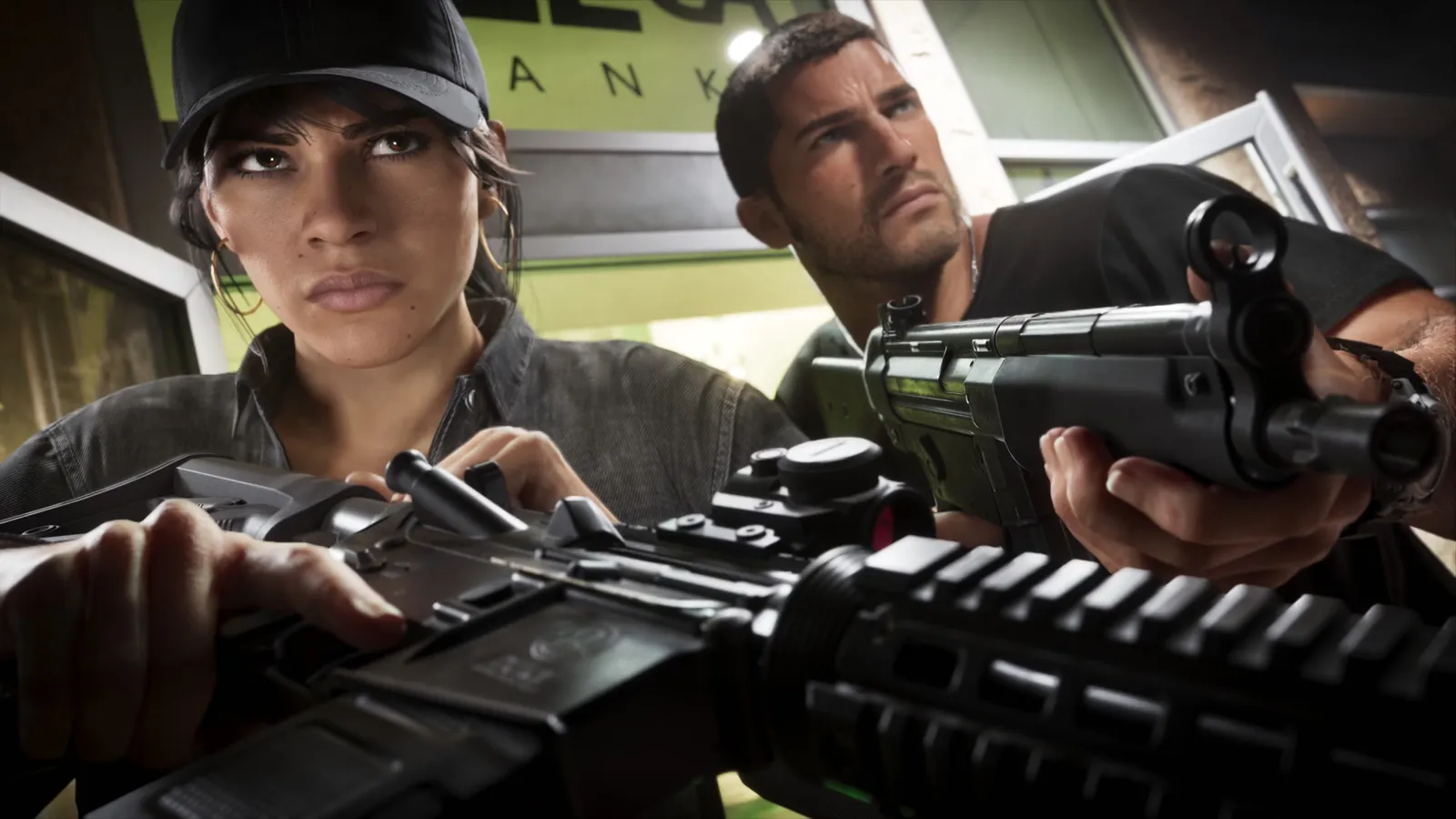
Grand Theft Auto 6 sold 32.5 million copies pre-release and generated $3.79 billion on day one, which publisher Take-Two calls the biggest entertainment launch in history, yet numerous PlayStation 5 players report a persistent crash, error code CE-108255-1, that blocks progress and returns them to the dashboard. For executives shipping any high-ticket consumer product, the case is a live test of whether launch-day stability, patch speed, and public communication are treated as financial risk or as an afterthought.
Grand Theft Auto 6 has already done the impossible thing twice over. The game sold 32.5 million copies before release and pulled in $3.79 billion on day one, a figure publisher Take-Two says makes it the biggest entertainment launch in history. Then a slice of that audience tried to actually play it. Numerous PlayStation 5 owners report they cannot progress because of a persistent crash that boots them back to the console dashboard, tagged with error code CE-108255-1.
That code is the tell. CE-108255-1 is a PlayStation 5 system-level error that typically surfaces when a game stops running and the console ejects the player to the home screen. It is not a save-file problem, not a login problem, and not a message about the player's account. It is the console saying the application quit. Historically, that class of error points at a software fault inside the game build rather than a hardware failure, which matters enormously here: it puts the fix in the publisher's hands, not the player's, and it means the remedy is a patch rather than a refund or a repair.
Do the arithmetic on the launch and the stakes sharpen fast. $3.79 billion across 32.5 million copies implies an average selling price north of $100 per unit, well above a standard single-copy price point, which suggests buyers skewed heavily toward premium or bundled editions. That is a customer base that paid up front, on faith, before the shipping build had been stress-tested by the public at scale. Pre-release sales of that size are effectively a promise: the product works on day one. When it does not, the refund requests, the storefront complaints, and the review scores all land inside the same narrow window, and they land on top of each other.
For context, the economics of a title like this have not been about the box for more than a decade. Grand Theft Auto 5's commercial life stretched across years, and the recurring revenue came from the online mode that followed the campaign, not the campaign itself. That model depends on a player getting through the opening hours and into the persistent world. A crash that blocks progression does not just cost one session. It delays the exact moment a customer becomes a long-term, spending, returning user, and it does so across an unknown fraction of 32.5 million people. The launch number is a snapshot. The retention curve is the business.
There is a platform-holder dimension too. Console games ship through a certification process run by the platform owner, designed to catch precisely this kind of stability failure before launch. A crash that reaches players anyway raises the question of how intermittent the fault is, and intermittent faults are the worst kind to fix. They resist reproduction. They can depend on save state, playtime, or a specific in-game trigger that only a fraction of players ever hit. Every day without a confirmed root cause is a day of compounding reputational damage, and every speculative community workaround that fails makes the publisher look slower than it is.
For Take-Two's board and investors, the exposure is not the $3.79 billion. That money is booked. The exposure is what comes next: the pace of patches, the specificity of the publisher's first public statement, and whether the crash rate is a rounding error or a structural defect in the build. A fast, precise acknowledgment with a timeline reads as competence. Silence reads as a company that banked a record and is now hoping the problem stays quiet. Markets tend to forgive a bug. They are far less forgiving of a slow answer, because a slow answer is a signal about how the organization handles bad news generally.
The broader lesson for anyone shipping a major consumer product this year is that launch-day quality has become a financial instrument, not a QA checkbox. Pre-orders convert hype into cash before the public has tested anything, which means the first 48 hours are the only real stress test, and that test happens in public, at full scale, with the receipts already banked. Studios, publishers, and platform holders now carry a category of risk that barely existed when games shipped on discs and patches took months to reach anyone. The same logic applies to any hardware, app, or subscription launch that takes money before it takes feedback.
What to watch from here: whether the crash is tied to a specific progression point or save state, how quickly a patch clears platform certification, and whether affected players get anything back for the lost time. The record is already set. The open question is whether the biggest entertainment launch in history is remembered as the one that worked, or the one that crashed on the people who believed first.
This story's Key Insights and Take-aways are locked.
Create a free account to unlock Executive Actions for one credit.
Register to UnlockAlways free for Executives Club members. Join the Club
More in Business

S&P 500 Enters Correction, Down 10% From Its High on AI Worries
The index's slide past the 10 percent line is a symbolic verdict on investor mood, and the AI trade that powered the rally is now the thing testing it.

Dow and S&P 500 enter correction as Nasdaq logs worst week since 2020
All 11 S&P 500 sectors fell more than 1% in the same week for the first time since April 2025, a breadth signal that matters more than any single index level.

Chip stocks lose $2.3 trillion in a week, worst run in 25 years
A $2.3 trillion weekly wipeout in semiconductors is forcing every board with an AI story to ask whether it owns a thesis or just a crowded trade.