

GTA 6's 30fps is the smoothest GTA launch ever, except on Xbox Series S
Digital Foundry's John Linneman says Rockstar traded frame rate for fidelity and mostly nailed it, with one console stuck in the Xbox 360 era.
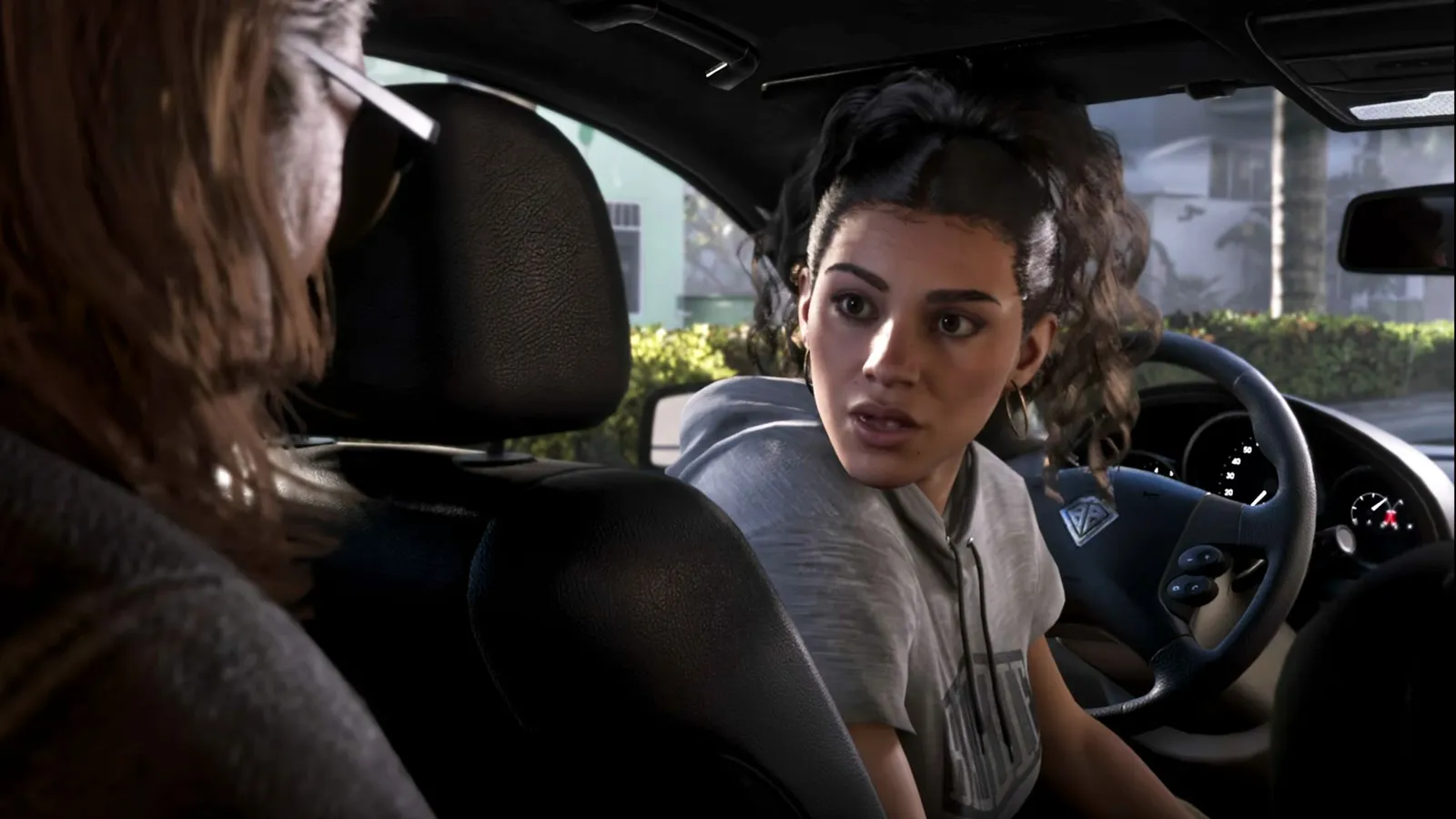
Digital Foundry analyst John Linneman's new tech analysis finds Grand Theft Auto 6 holds its 30fps target more reliably than any previous entry in the series, with near-flawless frame pacing on PS5 Pro and sustained drops into the 20fps range on Xbox Series S. For platform holders and publishers, the launch is a live test of whether a 30fps flagship can survive a console generation that has trained players to expect 60fps performance modes.
Grand Theft Auto 6 is out, and it runs at 30 frames per second. That is the headline finding from Digital Foundry's new tech analysis, in which analyst John Linneman calls it "the smoothest GTA game in history, at least at launch" - a phrase that sounds like faint praise until you remember how the others actually ran. "Every previous entry ran significantly worse on the original target hardware," Linneman says. The exception, and it is a big one, sits on Microsoft's cheapest console: the Xbox Series S, where sustained drops into the 20fps range drag the experience back to "the peak of Xbox 360 gaming" whenever real action hits the screen.
So here is the trade Rockstar made, stated plainly: fidelity over frame rate. Linneman is blunt about the alternative. "I'm not convinced that they could have achieved 60 frames per second in a game of this scope on this class of hardware," he says. That framing matters, because 30fps has become a dirty number in this console generation. Every previous 3D GTA targeted 30fps on its original platform and regularly fell short of even that. Playing those older games at 60fps or above today is trivial, but that is brute hardware force applied to a decade-old codebase, not evidence that Rockstar could have shipped a modern GTA at double the frame rate on a base PS5.
On base PS5 and Xbox Series X, the game holds its 30fps target far better than its predecessors did. Digital Foundry found dips when, say, screaming down the road at speed, but describes them as "very minor." Push harder, head into a busy intersection with a grenade launcher and cause chaos, and the frame rate takes a more sustained dive. Normal play, in other words, is solid. Spend up for a PS5 Pro and it gets better still. "I spent most of my time on the PS5 Pro, which is the best way to play this game by far," Linneman says. "You basically get a near-flawless 30fps update. The frame pacing is perfect, cutscenes consistent and fluid, unlike older Rockstar titles, and everything moves without hiccups or stutters." That last point quietly closes a loop open since GTA 4: Rockstar has finally fixed the cutscene judder that plagued its games.
Then there is the Series S. Microsoft's lower-end machine keeps most of the graphical features of its more expensive siblings, which Linneman grants is "miraculous in its own way," but the frame rate tells a different story: sustained drops into the 20fps range whenever there is real action on screen. For a two-tier console strategy built on the promise that the cheap box plays the same games, that is the awkward footnote. The Series S buyer gets the same map, the same missions, and a noticeably worse version of the moment-to-moment feel.
Rockstar's decision to ship at 30fps has been controversial, and Linneman lands on the forgiving side. He is "more willing to forgive it due to just how far it's pushing the visuals," adding that "it feels like tasting the future." That is the crux of an argument the industry keeps having: frame rate is measurable, fidelity is felt, and the two compete for the same silicon. A 60fps performance mode has become the default expectation on current-gen consoles, which makes a 30fps-only flagship a genuine commercial risk. Rockstar is betting that the scale of the world and the density of its detail will carry the experience, and that most players will stop noticing a locked 30fps once they are inside it.
For Rockstar's parent company, Take-Two Interactive, the calculus is straightforward. GTA is one of the largest entertainment properties in the world, and a launch reviewers describe as technically smooth is worth more than a spec-sheet win. Frame rate complaints are loud online but short-lived; a broken launch is neither. The bigger strategic question sits with the platform holders. Sony gets a clean showcase for the PS5 Pro, the mid-generation upgrade it needs to justify a premium price to players who already own a PS5. Microsoft gets a reminder that its cheapest console is now the visible weak link in a flagship third-party release, at exactly the moment the industry is debating what the next hardware generation should cost and do.
Watch what happens next. Rockstar has a track record of patching performance after launch, and the gap between "very minor" dips and a locked frame rate is exactly the kind of thing a post-launch update can close. Watch, too, whether the Series S version becomes a recurring talking point for every big cross-platform release, because that is a hardware decision Microsoft cannot patch. And watch the review conversation: the frame rate debate is loud, but the game underneath it determines whether this launch is remembered as a technical compromise or a generational leap. Linneman's verdict leans toward the latter. "It feels like tasting the future," he says. The future, apparently, runs at 30fps.
This story's Key Insights and Take-aways are locked.
Create a free account to unlock Executive Actions for one credit.
Register to UnlockAlways free for Executives Club members. Join the Club
More in Technology

Anthropic mathematician claims Claude helped crack the Riemann hypothesis
If the proof holds, AI has toppled math's most famous open problem; if it does not, it is a case study in announcing breakthroughs before anyone verifies them.

AI's $4 Trillion Wipeout Erases Nasdaq's Gains for the Year
A brutal week took roughly $4 trillion off the AI sector and left the Nasdaq flat for the year, and the damage ran the full length of the supply chain.

Anthropic mathematician says AI proved the Riemann hypothesis. Verification will take time.
A single unverified claim from inside Anthropic now sits against more than 160 years of open mathematics, and the gap between asserting a proof and surviving peer review is the entire story.