
GTA VI banks $1.5bn before launch while 13,000 game workers lose jobs
A record pre-sale haul and the best reviews in gaming history sit on top of 40 shuttered studios and nearly 13,000 layoffs, and that split defines the industry's next decade.
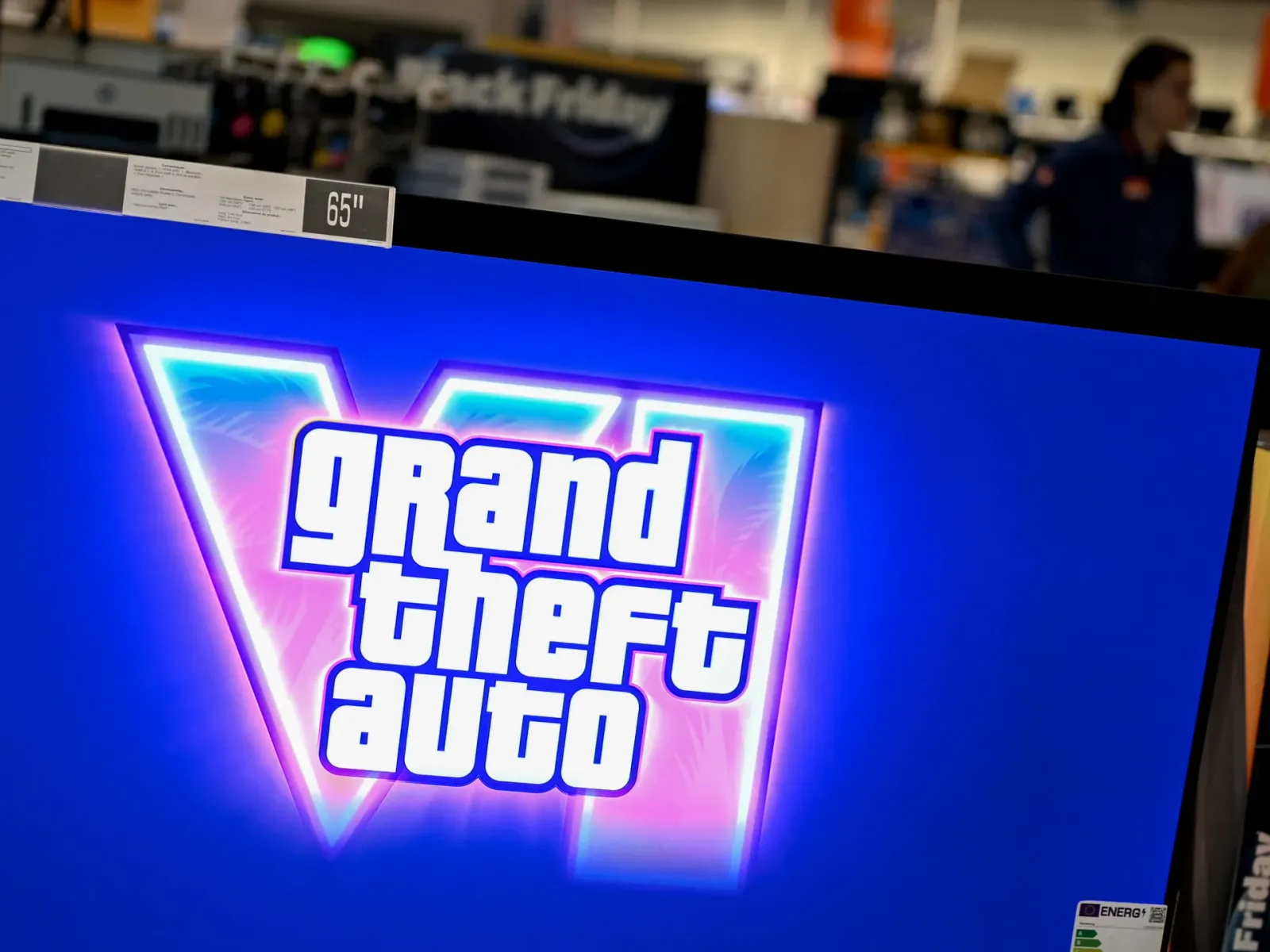
Rockstar Games' Grand Theft Auto VI cleared more than $1.5bn in pre-sales before Thursday's launch, becoming the best-reviewed video game of all time even as 40 studios closed and nearly 13,000 workers were laid off in 2026. For operators and investors, the launch is a proof point for owned IP at massive scale and a warning that the same cost structure is crushing everyone who cannot match it.
Grand Theft Auto VI cleared more than $1.5bn in pre-sales before it even launched on Thursday, and the early returns suggest the money was never really in doubt. Rockstar Games, the studio behind the franchise, spent roughly $1bn and leaned on thousands of employees to build it, according to Joost van Dreunen, an adjunct assistant professor at NYU Stern who writes the SuperJoost Playlist newsletter. Players waited more than 13 years since the last instalment of the franchise. Critics have responded with near-unanimous praise, making this the best-reviewed video game of all time, a remarkable outcome for a title that carried more than a decade of hype on its back. Players follow two characters, Jason and Lucia, through the underworld of Vice City, a fictionalised version of Miami, Florida.
The strangest part is what that launch sits on top of. According to the tracker website Gaming Layoffs, 40 video game studios have shuttered in 2026 alone, with nearly 13,000 workers laid off, a nearly 150 percent increase over the same period last year. "GTA VI proves that the model works for exactly one company," van Dreunen said in an email. That is the tension running through the whole industry right now: a single release can mint billions while the studios around it run out of cash.
Van Dreunen's diagnosis of how the industry got here is blunt. "The industry hired for a pandemic that ended," he said. "Demand stopped growing in 2022, costs didn't, and the average blockbuster now costs $440m, up from $47m in 2000." Sit with that for a second. The price tag on a top-tier game multiplied roughly ninefold in a quarter century while the number of players stopped climbing. Rockstar can absorb that because it owns one of the few franchises guaranteed to sell on name alone. Most studios cannot, and the ones that tried to match the scale have been the ones closing.
The scale is worth understanding in absolute terms. The Entertainment Software Association, an industry group, says about two-thirds of people in the US play video games, and the sector generated more than $95bn in economic activity in 2025, with US consumers spending more than $60bn on games. The 2025 North American box office for movie ticket sales came in at just under $9bn. Gaming is no longer competing with film for cultural relevance. On these numbers, it laps it.
Nothing illustrates the shift better than who showed up for launch day. Task and Purpose, a US military outlet, reported that 43 soldiers took advantage of a reenlistment incentive that handed them a four-day weekend to play the game. The White House and the Weather Channel have both tapped into the runaway popularity of the sixth instalment. That is a long way from the era when television segments asked whether the franchise would corrupt impressionable youths with carjackings and police shootouts. The holdouts remain: a member of a recent Fox News programme said, "I really am going to say I'm not thinking this is a good thing for our culture and society," and Republican Representative Tim Burchett told TMZ the game encourages violence and lawbreaking. "I mean, what in the world!" But across US culture and politics, the taboo has largely faded, and critics now praise the franchise for capturing the pulse of American life, including the hardships faced by immigrants and minorities.
For the people who actually make the games, the boom is not translating. A survey of industry workers by the GDC Festival of Gaming, compiled in a 2026 state-of-the-industry report, found that about 39 percent of US respondents had been laid off at least once in the last two years. About 77 percent said they were "not hopeful" about the direction of the industry, and about 30 percent said they were considering leaving it altogether. Mark DeLoura, vice president of strategy for GDC Festival of Gaming, told Al Jazeera the industry's challenges have had "a real impact on a lot of very talented people."
He is not writing the obituary, though. "The long arc of the game industry is one of strong growth," DeLoura said, noting that more people play games than ever, more have access through the devices in their pockets, and more can make and share games than at any point in history. The clearest way to read this moment, he argued, is "not as a contradiction, but as a sign of how big, global, and varied games have become." GTA VI, in other words, is less an anomaly than an extreme example of where the whole medium is heading.
The strategic read for anyone running a studio, a fund, or a platform is uncomfortable but clear. GTA VI is simultaneously a proof point for scale and a warning about it. The winners in this market look like Rockstar: owned IP, enormous budgets, and a fanbase that buys before it reviews. Everyone else is competing for a shrinking pool of capital while costs keep climbing and demand stays flat, which is exactly how you get 40 studio closures and a workforce where four in ten have been laid off in two years. Boards in adjacent industries should also do the consumer math. If two-thirds of Americans play games and they spend more than six times what they spend on movie tickets, gaming is where attention and advertising dollars are migrating, and any company still treating it as a niche vertical is mispricing its own audience.
This story's Key Insights and Take-aways are locked.
Create a free account to unlock Executive Actions for one credit.
Register to UnlockAlways free for Executives Club members. Join the Club
More in Business

S&P 500 Enters Correction, Down 10% From Its High on AI Worries
The index's slide past the 10 percent line is a symbolic verdict on investor mood, and the AI trade that powered the rally is now the thing testing it.

Dow and S&P 500 enter correction as Nasdaq logs worst week since 2020
All 11 S&P 500 sectors fell more than 1% in the same week for the first time since April 2025, a breadth signal that matters more than any single index level.

Chip stocks lose $2.3 trillion in a week, worst run in 25 years
A $2.3 trillion weekly wipeout in semiconductors is forcing every board with an AI story to ask whether it owns a thesis or just a crowded trade.