
Houthi Strike Damages Riyadh's KAFD Tower; Saudi Arabia Signals It Won't Tolerate More
The Nov. 19 attack damaged multiple floors of the flagship financial district tower and nearby buildings with no injuries reported, handing Riyadh a public case to press the UN Security Council.
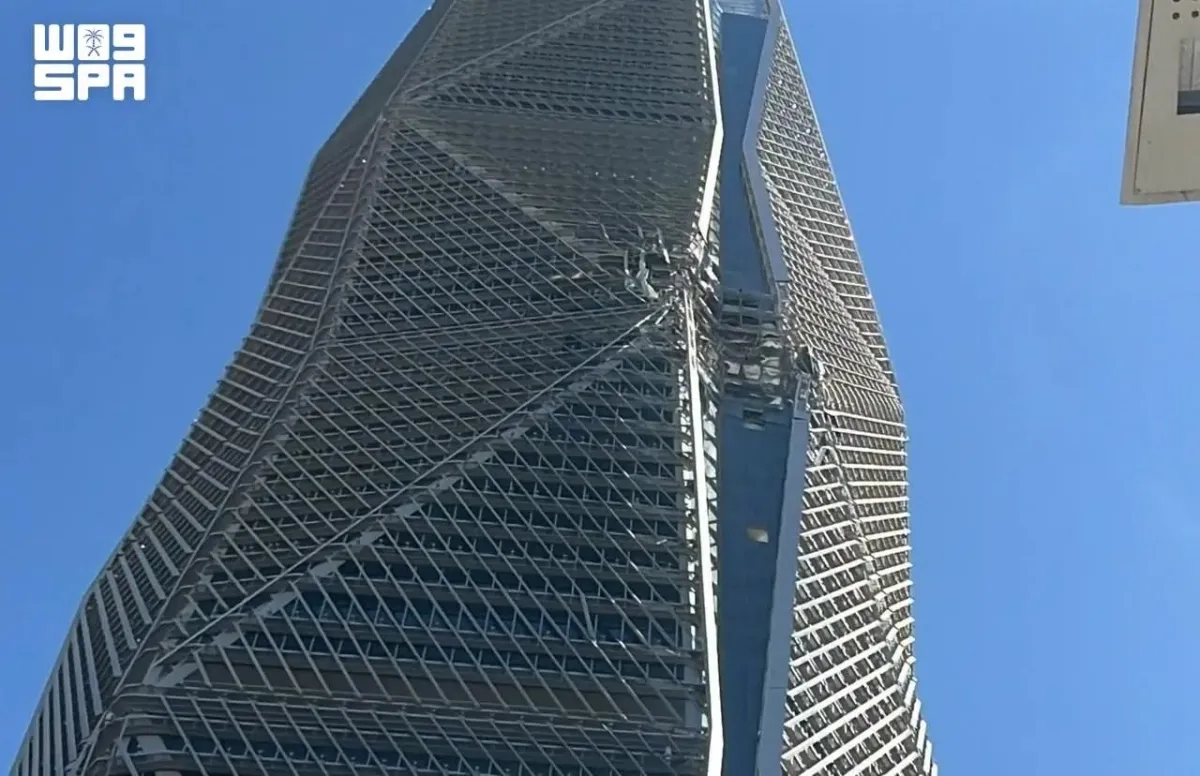
A Houthi attack on Thursday, Nov. 19, 2026, damaged several floors of a tower and neighboring buildings at Riyadh's King Abdullah Financial District, with Saudi Civil Defense reporting no injuries and Saudi Arabia's Foreign Ministry condemning the strike. For executives with Gulf exposure, the incident shifts the near-term calculus on geopolitical risk premiums, travel and continuity planning, and how seriously Riyadh will lean on the UN Security Council to answer attacks on its economic assets.
A Houthi attack struck a tower in Riyadh's King Abdullah Financial District on Thursday, Nov. 19, 2026, damaging several floors of the building and nearby structures, Saudi Civil Defense announced. No injuries were reported. The agency's official spokesperson said emergency teams responded to the incident immediately, and that the relevant authorities carried out all approved emergency measures and procedures to protect lives and property. That single line, no injuries, is what will shape how this story is read in trading desks and boardrooms over the next 48 hours: real physical damage, but no casualty shock to compound it.
The Civil Defense spokesperson did not mince words about what the strike represented. He condemned the targeting of civilian facilities, describing it as a flagrant violation of international humanitarian law, and said the attack reflected the danger posed by the Houthi militia's continued hostile actions. The distinction he drew is the one that will matter diplomatically: this was not framed as a military exchange, but as an attack on civilian and economic infrastructure in the capital. That is the legal category Riyadh wants the international system to accept, because it converts a security incident into an argument about international law.
The Ministry of Foreign Affairs picked up that thread. In a statement, it expressed the Kingdom's strong condemnation and denunciation of attacks against civilian facilities and infrastructure in the capital, and reaffirmed what it called Saudi Arabia's full and legitimate right to take all necessary measures to defend its sovereignty, safeguard its national assets and protect the security and safety of citizens and residents. "The Kingdom affirms its full and legitimate right to take all necessary measures to defend its sovereignty, safeguard its national assets, and protect the security and safety of its citizens and residents," the ministry said. It added that Saudi Arabia would not tolerate any attack targeting its territory or national assets and would take the necessary measures in accordance with international law. Note the wording: not a specific reprisal, but an explicit reservation of the right to act. That is deliberate.
Why a financial district, and why this one? KAFD is Riyadh's flagship capital-markets campus, a cluster of towers built to anchor the Kingdom's push to become a regional finance hub rather than solely an energy exporter. Striking a tower there damages far more than concrete. It hits the exact asset class the Kingdom has spent years trying to attract: foreign tenants, banks, fund managers, advisers and conference traffic. Physical damage is insurable and, per Civil Defense, contained to material harm to several floors and neighboring buildings. Confidence, historically, is the slower and more expensive thing to rebuild.
For context on how markets usually absorb this kind of event, history is instructive. When Saudi energy infrastructure was hit in 2019 at Abqaiq and Khurais, oil prices spiked sharply and then faded within days as supply continuity held. The lesson traders drew was that geopolitical shocks in the Gulf are often priced as event risk, not structural risk, unless they disrupt output or kill people. This attack did neither by the official account, which argues for a contained market reaction at the open. But a strike on a financial district carries a different signal than a strike on a pump station, because its target is the Kingdom's credibility as a place to do business.
The most consequential paragraph in the Saudi response is the diplomatic one. The Foreign Ministry called on the international community, particularly the permanent members of the United Nations Security Council, to fulfill their responsibilities and implement relevant Security Council resolutions. It urged condemnation of the Houthi militia's attacks against Saudi Arabia and warned that the group poses a threat to regional and global security. That is Riyadh doing two things at once: escalating the issue to the P5 rather than handling it bilaterally, and framing the Houthis as a global problem instead of a regional one. Watch whether the Security Council produces language, because Riyadh has publicly tied its next moves to a process that may or may not deliver.
Read the phrasing on continued attacks carefully. The ministry referred to continued attacks targeting civilian and economic facilities in Riyadh, including the latest one at KAFD. Continued is the loaded word, and it suggests the Kingdom does not view Nov. 19 as an isolated incident but as a pattern it now wants documented internationally. For operators, that reframes the practical questions. Companies with Riyadh offices, staff, events or projects should treat this as a trigger to revisit continuity plans, travel guidance, insurance renewals and the geopolitical risk language in project finance discussions. Risk teams typically reassess after each event, and the cumulative framing here gives them reason to move faster than a one-off incident would.
The strategic stakes for peers in similar roles are straightforward and unsentimental. Riyadh has built a decade of economic diversification on the premise that capital can be persuaded to move there. A strike that damages a tower in its marquee financial district does not undo that case, especially with no injuries reported and emergency response described as immediate. But it tests it. The next data points that matter are the Security Council's response, any further statements out of Riyadh, and whether insurers, lenders and tenants price a higher premium into the Kingdom's flagship real estate. If they do, the cost of this attack stops being measured in damaged floors and starts being measured in basis points.
This story's Key Insights and Take-aways are locked.
Create a free account to unlock Executive Actions for one credit.
Register to UnlockAlways free for Executives Club members. Join the Club
More in Politics

Fifth Circuit Kills Pregnant Workers' Law Over Pandemic Proxy Votes
A procedural ruling, not a policy one, has blocked a federal pregnancy-accommodation law and put every pandemic-era statute in the crosshairs ahead of an expected Supreme Court appeal.

Measles kills a Virginia child under 5, the state's first death of 2026
Virginia's health department confirmed the death but withheld the child's vaccination status, leaving schools, clinics and employers to plan around the one detail that would explain the most.

Former Brazilian President Bolsonaro Hospitalized with Intestinal Obstruction
The health status of the former far-right leader raises immediate questions about political stability and the trajectory of Brazil's conservative movement.