
Hunger Games prequel pulls $51M Friday, now tracking $110M weekend
The franchise's latest prequel is on pace for a nine-figure opening weekend, a live test of whether dormant IP still converts nostalgia into ticket sales.
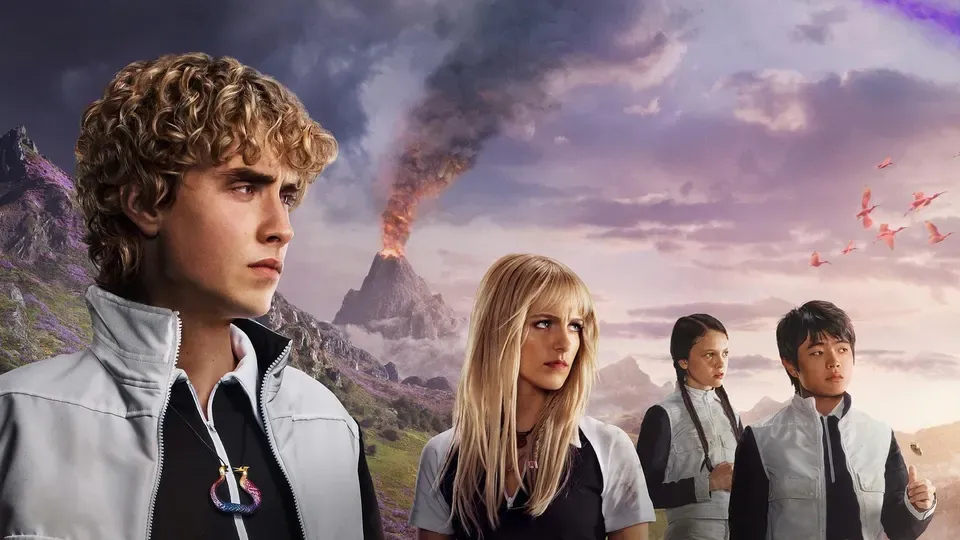
The Hunger Games: Sunrise on the Reaping earned an estimated $51 million on Friday and is projected to open at $110 million, per Forbes. For studio and exhibition executives, the number is a real-time test of whether a dormant franchise can be revived with a prequel rather than a sequel.
The Hunger Games: Sunrise on the Reaping took in an estimated $51 million on Friday and is now projected to land a $110 million opening weekend, per the figures Forbes reported. Two numbers, one story. The first is velocity; the second is the verdict. A nine-figure opening for a franchise whose original films defined the 2010s young-adult boom, arriving with a new cast and a story set decades before Katniss Everdeen ever volunteered, is the kind of result that gets a dormant property declared alive again. It is also, for now, a projection built on a single day of data.
Do the arithmetic and the shape of the weekend comes into focus. A $110 million weekend against a $51 million Friday implies a multiplier of roughly 2.2x. For a franchise tentpole, that is a normal and healthy ratio, not a red flag. Friday grosses on films like this typically fold in Thursday preview screenings, which front-load the number and make the Friday figure look bigger than a pure Friday would. The real signal arrives Saturday. If Saturday holds flat or climbs, the $110 million projection is a floor and the studio can start revising upward. If Saturday slips, the projection is a ceiling, and the Sunday estimate gets massaged down by Monday morning.
Why does a prequel matter more than a sequel? Because it is the cheapest way to test whether an audience still exists. Sequels inherit a story that has already been told; prequels inherit only a brand. Studios have spent the past several years mining libraries for exactly this kind of asset, betting that familiarity travels further than novelty in a theatrical market where the cost of a miss is brutal. This franchise has been through the drill before, and the fact that a prequel can open at this level tells every studio with a shelf of dormant IP the same thing: the audience did not leave, it just stopped being invited.
Opening weekend is a marketing event, not a profit center. Studios typically split domestic theatrical revenue with exhibitors on a sliding scale that favors the studio early in a run, which means a $110 million opening does not deposit $110 million anywhere. Add a global marketing spend that on tentpoles can run into the tens of millions, and the opening number is best read as a demand signal rather than a balance sheet line. The money is made in the tail: international runs, premium formats, home entertainment, and the streaming license negotiated once the theatrical window closes. That is why the second weekend matters more than the first, and why a soft hold can turn a triumphant Monday headline into a quiet write-down by the following quarter.
For theater operators, the weekend is simpler. A $110 million opening means sold-out premium screens, long concession lines, and a reason for casual moviegoers to leave the house. Exhibition has become a tentpole business, where a handful of releases carry the calendar and everything else is filler. Every franchise title that overperforms buys the industry a little more runway; every one that underperforms accelerates the argument that the theatrical window is a legacy cost. That is the stakes behind a number that looks, on its face, like pure good news.
There is a second-order effect worth watching beyond the box office. The film shares its title with the Suzanne Collins novel that preceded it, and a hit movie reliably drags the book back onto bestseller lists, which in turn feeds the next adaptation decision. That flywheel, book to screen to book again, is why publishers and studios have spent years trying to build franchises that live in more than one medium. It is also why a strong opening here gets read as a signal about the entire young-adult adaptation pipeline, a category that has been declared dead roughly once a year since the original trilogy wrapped.
What to watch now is narrow and specific. Saturday's number, then Sunday's hold, then the drop in weekend two. A prequel that opens at $110 million and holds is a franchise with a future and a slate of greenlit follow-ups. A prequel that opens at $110 million and collapses is a marketing win attached to a strategic dead end. For executives holding similar IP, the lesson is not that nostalgia always works. It is that the audience for these stories never fully disappeared, and the only real question is whether anyone is still willing to spend the money to find out.
This story's Key Insights and Take-aways are locked.
Create a free account to unlock Executive Actions for one credit.
Register to UnlockAlways free for Executives Club members. Join the Club
More in Business

S&P 500 Enters Correction, Down 10% From Its High on AI Worries
The index's slide past the 10 percent line is a symbolic verdict on investor mood, and the AI trade that powered the rally is now the thing testing it.

Dow and S&P 500 enter correction as Nasdaq logs worst week since 2020
All 11 S&P 500 sectors fell more than 1% in the same week for the first time since April 2025, a breadth signal that matters more than any single index level.

Chip stocks lose $2.3 trillion in a week, worst run in 25 years
A $2.3 trillion weekly wipeout in semiconductors is forcing every board with an AI story to ask whether it owns a thesis or just a crowded trade.