
JPMorgan says a cyberattack hit its vendors, potentially exposing customer data
The bank's own systems were not named as the target, and that is the point: the weakest link in financial cybersecurity is often the vendor holding the credentials.

JPMorgan Chase says third-party vendors that provide services to the bank were targeted in a cyberattack, potentially exposing some customer information. For executives and boards, the disclosure puts third-party risk back at the top of the agenda, where accountability stays with the bank even when the breach happens outside its walls.
JPMorgan Chase says third-party vendors that provide services to the bank were targeted in a cyberattack, potentially exposing some customer information. That is the whole of what the largest US bank by assets has put on the record so far: no customer count, no named vendor, no timeline, and no confirmation that money moved. The disclosure is short, and the shortness is the story. The attack did not have to land inside JPMorgan's own walls to reach JPMorgan's customers.
That is the uncomfortable geometry of modern financial cybersecurity. A bank's perimeter is no longer a building or a data center; it is a web of contractors, cloud providers, payment processors, marketing firms, and back-office shops that hold credentials, run code, or store records on the bank's behalf. When one of those links is compromised, the bank's own defenses can be working exactly as designed and customer data still walks out the door. JPMorgan's statement points at the vendors rather than at its core systems, and that distinction matters for every institution that has outsourced a piece of its stack.
Regulators have spent years trying to get ahead of exactly this scenario. The OCC, the Federal Reserve, and the FDIC have issued third-party risk management guidance that pushes banks to treat vendors as an extension of their own control environment, with due diligence, contractual audit rights, and exit plans. New York's Department of Financial Services cybersecurity regulation, which covers many large banks, requires covered entities to maintain policies governing third-party service providers. The direction of travel is consistent: you can outsource the work, but you cannot outsource the accountability.
The disclosure clock is its own source of pressure. Under SEC rules adopted in 2023, public companies are generally required to report material cybersecurity incidents on Form 8-K within four business days of determining that an incident is material, and to describe its nature, scope, and timing in reasonably detailed terms. Banks also operate under the Gramm-Leach-Bliley Act's safeguards regime and, historically, under the Bank Service Company Act, which requires regulated institutions to notify their supervisors when a service provider suffers a disruption that could affect operations. A short statement like JPMorgan's is typically the first move in a sequence, not the last.
Scale is what turns a vendor incident into a systemic event. JPMorgan Chase is the largest US bank by assets, and its customer base is measured in the tens of millions, so even a narrow exposure touches a very wide population. The direct costs are the easy part to model: forensic investigation, customer notification, credit monitoring, remediation, and legal exposure. The harder costs are reputational and regulatory, and they compound. A bank that cannot say which vendor was hit, or how many customers were affected, invites questions from supervisors, plaintiffs' lawyers, and its own board.
The second-order effects land on the vendor ecosystem itself. Expect banks to re-examine how many third parties touch customer data, how much access each one holds, and how quickly that access can be revoked. Concentration risk cuts both ways: a single widely used vendor is efficient until it is compromised, at which point it becomes a single point of failure for every client at once. Cyber insurance underwriters, meanwhile, have been tightening terms around third-party and supply chain losses, which shifts more of the residual risk back onto the balance sheet.
For CEOs, CFOs, and boards, the practical question is not whether a vendor will be breached. It is whether the institution can answer three questions fast: which vendors hold customer data, what access they have, and how the bank would know within hours if that access were abused. JPMorgan's disclosure is a reminder that this is a governance problem before it is a technology problem. A board that has not asked for a vendor inventory, a contractual audit right, and a tested incident response plan is carrying a risk it cannot see.
What to watch next is the paper trail. If the incident is deemed material, an 8-K follows. If regulators are notified, supervisory findings may follow. If customer data is confirmed exposed, state notification laws kick in, each with its own deadlines and public filings. Every step forces more specificity than the last, which is why the first statement from a bank in this position tends to be the vaguest one it will ever issue.
This story's Key Insights and Take-aways are locked.
Create a free account to unlock Executive Actions for one credit.
Register to UnlockAlways free for Executives Club members. Join the Club
More in Politics
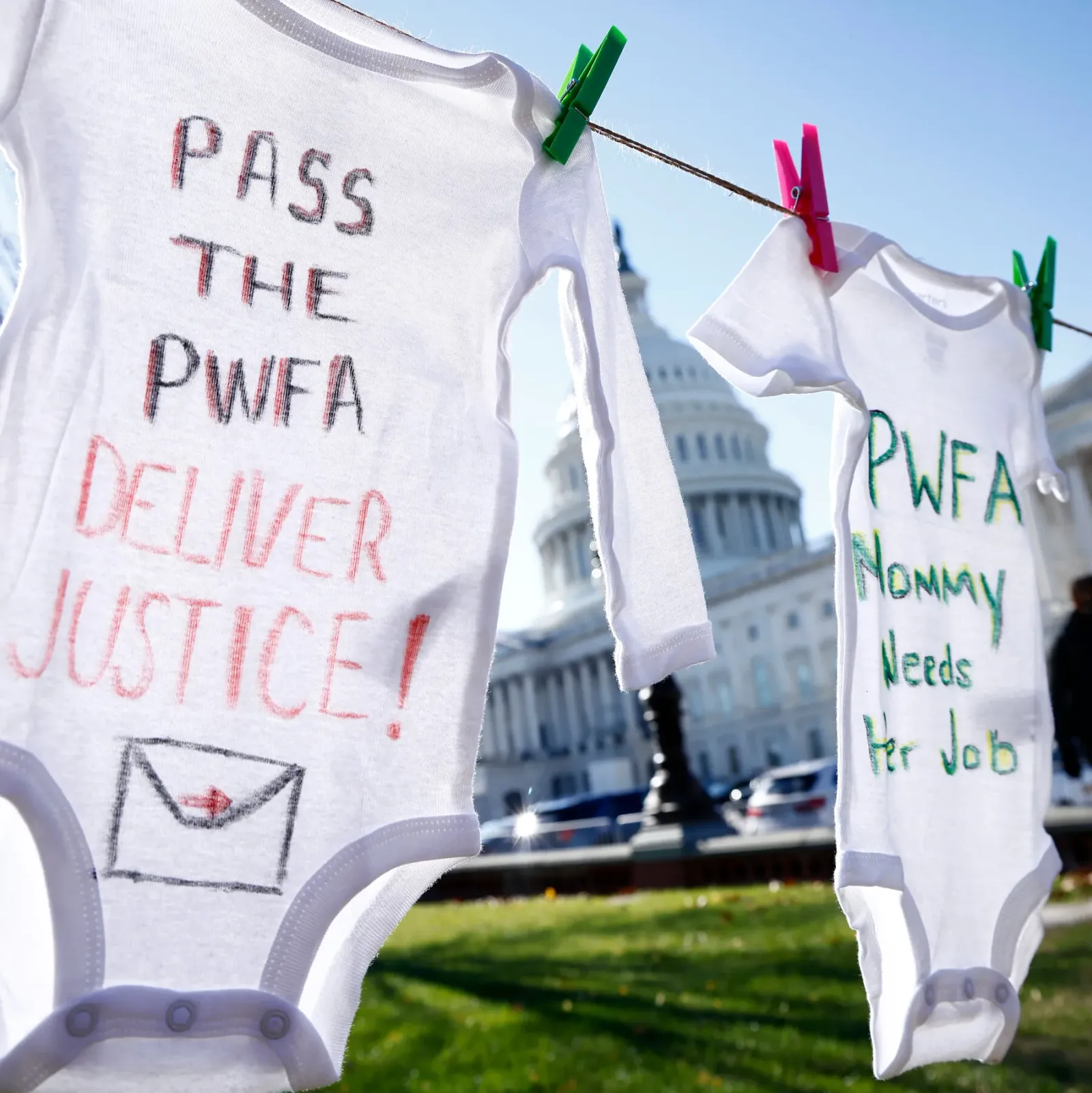
Fifth Circuit Kills Pregnant Workers' Law Over Pandemic Proxy Votes
A procedural ruling, not a policy one, has blocked a federal pregnancy-accommodation law and put every pandemic-era statute in the crosshairs ahead of an expected Supreme Court appeal.
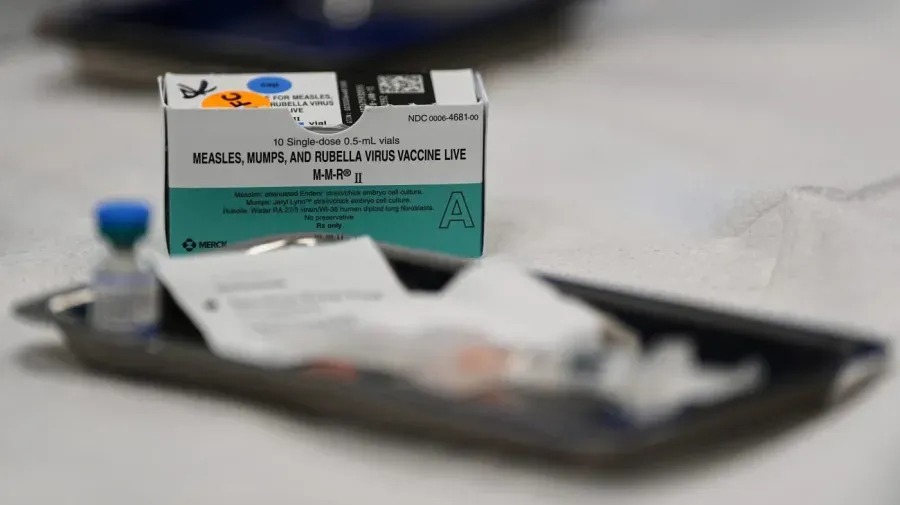
Measles kills a Virginia child under 5, the state's first death of 2026
Virginia's health department confirmed the death but withheld the child's vaccination status, leaving schools, clinics and employers to plan around the one detail that would explain the most.

Former Brazilian President Bolsonaro Hospitalized with Intestinal Obstruction
The health status of the former far-right leader raises immediate questions about political stability and the trajectory of Brazil's conservative movement.