
Judge Chutkan Freezes Trump's Triumphal Arch for Two More Weeks
The extension keeps the government off the site and hands the project's clock to a courtroom its backers cannot schedule around.
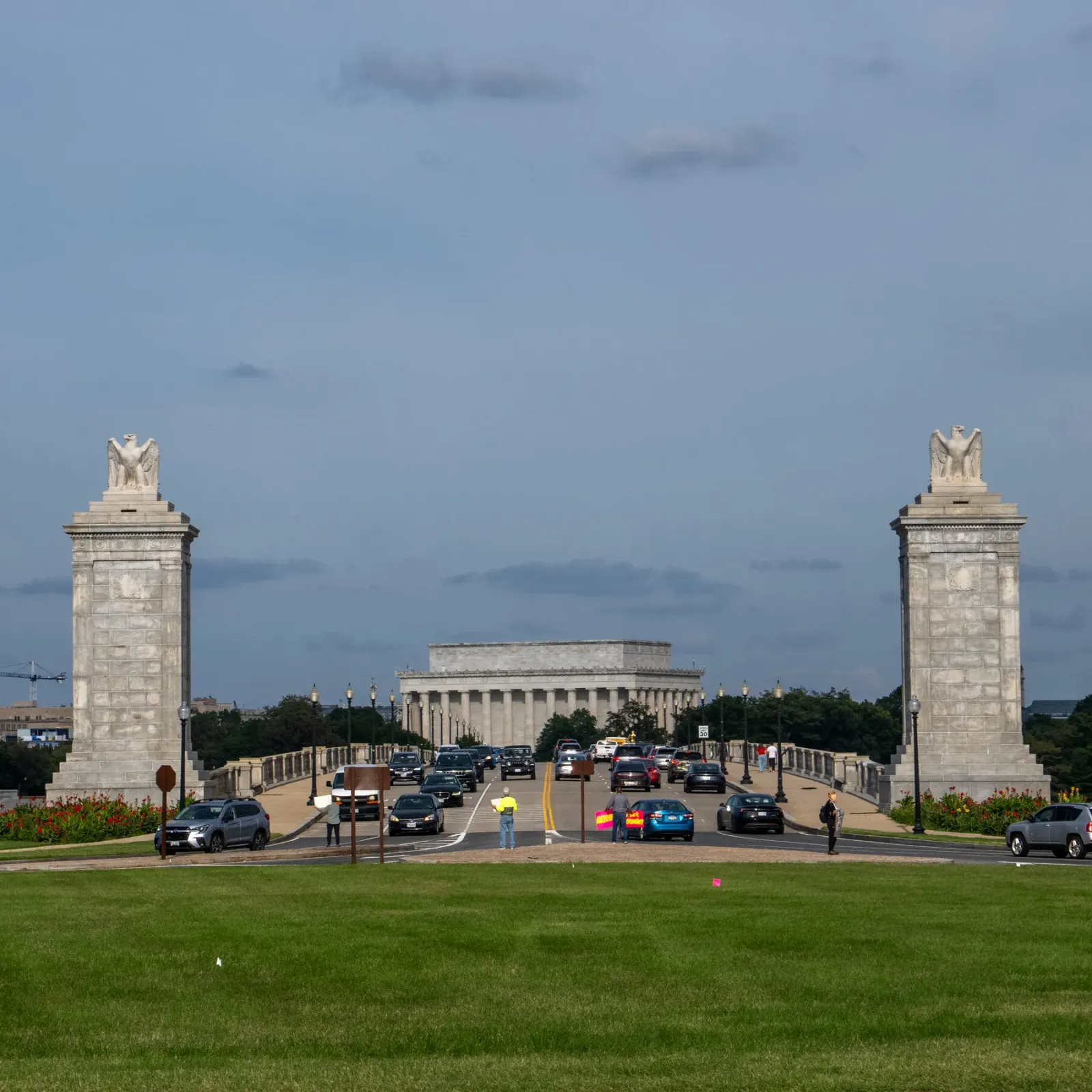
Judge Tanya Chutkan barred the government from beginning work on Trump's triumphal arch for another two weeks, extending a hold that keeps the project in legal limbo rather than on a construction calendar. For executives, the ruling is a reminder that when a build's fate sits with a court, schedule risk becomes legal risk that no amount of capital can buy out.
Judge Tanya Chutkan barred the government from beginning work on Trump's triumphal arch for another two weeks, extending a freeze that keeps the project off the site and inside the courts. That is the whole of the ruling as reported: no new evidence, no new argument, just more time. In litigation over big physical projects, though, time is never neutral. Two more weeks is two more weeks of crews not mobilizing, contracts not starting, and everyone who has priced, planned, or promised work on the arch sitting in exactly the uncertainty they were in before.
Short extensions are typically a tell. Courts generally do not extend a hold unless something is still moving: briefing that is not finished, a record the judge wants to see more of, or a decision that is close but not ready. A two-week extension is short by injunction standards, and that cuts both ways. It can signal a judge who is nearly ready to rule and simply needs the calendar to catch up. It can also signal a judge who is not persuaded yet and wants the parties to sharpen their arguments. Either way, the practical effect for the government is identical: the shovels stay in the shed.
Federal courts weighing whether to keep a project frozen typically work through four factors: whether the challenger is likely to succeed on the merits, whether it faces irreparable harm without the hold, how the balance of hardships tips, and where the public interest lies. That framework is standard in federal injunction practice, and it is why short extensions matter more than they look. A judge who extends a hold is, at minimum, unconvinced that the government should be allowed to start work while the case plays out. For a project framed as a signature build, that is a meaningful read on how the court sees the record.
Construction is a business of sequences. A project typically moves through design, permitting, procurement, mobilization, and then the long grind of actual building, and each stage is contracted and priced against the one before it. A stop-work order, even a brief one, does not just pause the final stage. It ripples backward: contractors hold crews, suppliers hold orders, insurers and lenders reprice risk, and schedules built around weather windows start to slip. Two weeks in a courtroom can become months on a site, because the trades, the permits, and the seasonal calendar rarely wait for a judge.
The word "triumphal" is doing real work here. Monument projects are never only construction projects. They are statements about what a government chooses to commemorate, and they tend to attract the kind of scrutiny that ordinary infrastructure does not. That is why this fight is not just about square footage or budgets. It is about whether a court will let an executive branch build a symbol on its own timeline, or whether the judiciary gets to set the pace. The answer to that question carries consequences well beyond this one arch.
For the ecosystem around the project, the extension creates a specific kind of risk. Firms that bid on government work typically price in legal and political uncertainty, but they discount that uncertainty when it looks temporary. A hold that gets extended once can get extended again, and each extension makes the project look less like a build and more like a bet. That changes who is willing to sign, what they charge, and how much of their own capital they will put at risk before a single foundation is poured.
The next two weeks are the whole story now. Watch whether the government files anything new, whether the challengers do, and whether the court converts the short hold into something longer and more formal. A preliminary injunction would be a different order of problem: it would signal the judge sees a real likelihood of success on the merits, not merely a reason to pause. For executives and boards tracking this, the lesson is portable. When a project's fate sits with a judge, schedule risk becomes legal risk, and legal risk is the kind no balance sheet can absorb quietly.
The broader takeaway for anyone building under government authority is that the courtroom is now a project stakeholder. Permits, approvals, and political support can all line up and still leave a build exposed to a single ruling. That is the reality the arch now lives in, and it is the reality any leader with a high-profile, government-adjacent project should plan around: not whether litigation arrives, but how much of the schedule it eats before the first two weeks turn into the first two quarters.
This story's Key Insights and Take-aways are locked.
Create a free account to unlock Executive Actions for one credit.
Register to UnlockAlways free for Executives Club members. Join the Club
More in Politics

Fifth Circuit Kills Pregnant Workers' Law Over Pandemic Proxy Votes
A procedural ruling, not a policy one, has blocked a federal pregnancy-accommodation law and put every pandemic-era statute in the crosshairs ahead of an expected Supreme Court appeal.

Measles kills a Virginia child under 5, the state's first death of 2026
Virginia's health department confirmed the death but withheld the child's vaccination status, leaving schools, clinics and employers to plan around the one detail that would explain the most.

Former Brazilian President Bolsonaro Hospitalized with Intestinal Obstruction
The health status of the former far-right leader raises immediate questions about political stability and the trajectory of Brazil's conservative movement.