
Judge Rules Agriculture Secretary's Religious Emails to Staff Broke First Amendment
A federal judge has ordered Brooke Rollins to curb the faith-based messages she sent across her department, drawing a hard line between personal conviction and positional power.
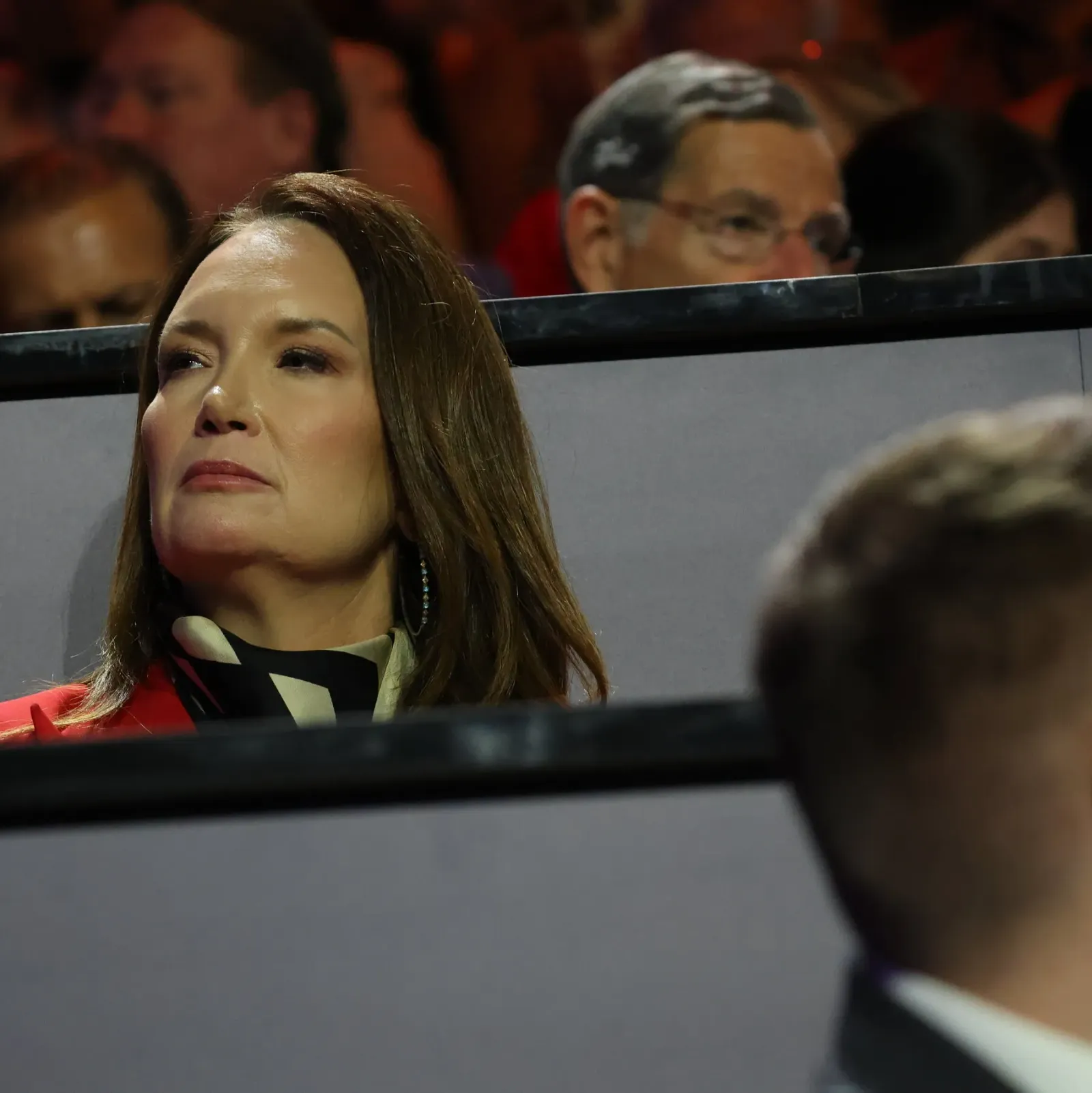
A federal judge has ordered Agriculture Secretary Brooke Rollins to limit her promotion of religious beliefs to her department's staff, ruling that her emails violated the First Amendment. For executives and boards, the case is a reminder that when a leader's personal messaging carries institutional authority, the exposure shifts from private expression to workplace conduct.
Agriculture Secretary Brooke Rollins has been ordered by a federal judge to limit her promotion of religious beliefs inside her own department, after the judge concluded that the Christian messages she sent to staff violated the First Amendment. The judge said her emails went "too far." The order does not remove her from office. It constrains how she communicates with the federal workforce she leads, which is a narrower remedy and, in some ways, a more pointed one: the court is effectively telling a sitting cabinet secretary that her official inbox is not a pulpit.
For context, when courts find that a government employer has crossed the constitutional line on religion, the typical remedy is an injunction that limits future conduct rather than removal or criminal penalty. The harm the First Amendment targets in this setting is coercion, not belief. That distinction matters for anyone reading the ruling as a statement about faith. It is not. It is a statement about authority, and about what happens when the person who signs your performance review also speaks with the power of the state behind every word.
Here is the legal architecture, in plain English. The First Amendment's Establishment Clause bars the government from endorsing or coercing religion. When the government is also your employer, the analysis changes, because a supervisor's message arrives with an implicit consequence attached. Courts have historically asked whether a reasonable employee could read a boss's religious messaging as pressure, a signal about who belongs and who does not. A private-sector CEO quoting scripture in a company-wide email is exercising personal speech, subject to other workplace laws. A cabinet secretary doing the same is the state speaking to its employees, and the state is not allowed to take sides on religion.
That is what makes this ruling unusual. Cabinet secretaries normally enjoy wide latitude over internal communications, and courts are generally reluctant to police the speech of senior officials. But the government-employer setting flips the instinct. The First Amendment here constrains the state as speaker, not merely as regulator. A judge telling a department head to dial back her religious messaging is therefore not a routine employment dispute. It is a constitutional limit applied at the top of an agency.
The practical fallout lands inside the Department of Agriculture, one of the largest federal departments, with staff stationed across the country and a career civil service that is supposed to be insulated from politics. A court order governing the secretary's communications means legal review of internal messaging, new guardrails for political appointees, and a morale question for career employees who now have a judicial finding validating concerns they may have been afraid to raise. It also creates a paper trail. Once a court has ruled, follow-on complaints, document requests, and congressional oversight letters tend to follow.
The ripple runs wider than one department. Every public employer in the country, from state agencies to public universities to school districts to police departments, operates under the same clause. Private employers face a different statute, Title VII of the Civil Rights Act, which governs religious harassment in the workplace, but the reputational and retention math looks similar: when a leader's faith becomes a fixture of the workplace, some employees feel included and others feel on notice. The legal standard differs. The human response does not.
The strategic lesson for executives and boards is about lines, not beliefs. Personal conviction is not the problem. Positional power is the variable. When the person setting your compensation, your promotion, or your assignment is the one delivering the religious message, the message carries weight the sender may not intend. Practical guardrails: keep personal channels separate from official ones, vet mass internal communications from senior leaders for implied pressure rather than just content, train managers on how authority shapes consent, and document the reasoning. The cost of skipping that work is now visible in the form of a federal court order against a sitting cabinet secretary.
This story's Key Insights and Take-aways are locked.
Create a free account to unlock Executive Actions for one credit.
Register to UnlockAlways free for Executives Club members. Join the Club
More in Politics

Fifth Circuit Kills Pregnant Workers' Law Over Pandemic Proxy Votes
A procedural ruling, not a policy one, has blocked a federal pregnancy-accommodation law and put every pandemic-era statute in the crosshairs ahead of an expected Supreme Court appeal.

Measles kills a Virginia child under 5, the state's first death of 2026
Virginia's health department confirmed the death but withheld the child's vaccination status, leaving schools, clinics and employers to plan around the one detail that would explain the most.

Former Brazilian President Bolsonaro Hospitalized with Intestinal Obstruction
The health status of the former far-right leader raises immediate questions about political stability and the trajectory of Brazil's conservative movement.