
Leasehold's endgame: England and Wales target 2031 ban on new flats
The government's plan would stop most new leasehold flats from being sold in England and Wales around 2031, resetting the economics for builders, ground-rent investors, and lenders.

The UK government has set out a timetable for dismantling the leasehold system in England and Wales, with a ban on the sale of most new leasehold flats expected around 2031. For developers, freehold investors, and lenders, the runway is long enough to reprice pipelines and portfolios, but short enough that today's assumptions about flat-building economics need stress-testing now.
The endgame has a date attached: 2031. Under the government's plans, the sale of most new leasehold flats in England and Wales is expected to be banned around then, part of a wider timetable for dismantling the leasehold system. That is the headline fact, and it is a big one, because leasehold is not a niche tenure. It is the default way flats are bought and sold in England and Wales, and it has been the subject of promised reform for years without a firm deadline ever being pinned to it. Now there is one.
For anyone who has not had the pleasure: leasehold means you buy the right to occupy a property for a fixed number of years, but not the land it sits on. Someone else, the freeholder, owns that. You typically pay ground rent to them and service charges for the upkeep of the building, and the freeholder often controls how those charges are set and who carries out the work. It is a structure that works fine in theory and has generated a long list of grievances in practice. The government's answer is to stop new flats being sold that way at all.
The 2031 date is the part that should make people sit up. It is far enough away to feel abstract and close enough to matter to any business that underwrites a development pipeline on multi-year assumptions. A housebuilder deciding today whether to start a block of flats is making a bet that will still be live when the rules change. Freehold investors who bought ground-rent income streams as long-dated, bond-like cash flows are now holding assets with a visible horizon rather than an open-ended one. Lenders who price mortgages on the resale value of leasehold units have to think hard about what that resale market looks like on the other side of the change.
Read the word "most" carefully. The plan covers most new leasehold flats, not all of them, which means carve-outs exist and the details of those carve-outs will decide who gets hurt and who gets protected. Exemptions in reform proposals historically tend to be where the lobbying happens and where the value sits. It is also worth stating plainly: this is a plan and a timetable, not yet a finished law. Governments change, parliamentary sessions run out of time, and long-dated commitments are the easiest kind to quietly soften. The direction of travel is clear; the exact landing spot is not.
The obvious alternative is commonhold, a tenure that lets flat owners collectively own and run their building rather than renting the ground beneath it from an outside party. It has existed as an option for years and has never taken off at scale, largely because the incentives for developers and freeholders pointed the other way. A ban on new leasehold sales is, in effect, a forced migration. Whether commonhold can absorb that volume depends on whether the legal and management infrastructure around it matures fast enough, and that is a genuine open question rather than a formality.
Existing leaseholders are the group most likely to feel left out. A ban on new sales does not automatically fix the problems of the people already inside the system: escalating ground rents, opaque service charges, expensive building insurance, and leases that get harder to mortgage as the remaining term shortens. Reform of the existing stock is a separate and considerably harder problem, and it is where the political pressure will eventually land once the easy announcement has been made.
For executives, the practical read is that the long runway is both a gift and a trap. A gift, because there is time to reprice land, restructure development models, and renegotiate financing before the rules bite. A trap, because five-plus years is exactly the kind of horizon over which boards quietly assume nothing changes. The companies that treat 2031 as a live constraint today, in appraisals, in exit assumptions, in the valuation of ground-rent books, will be the ones not scrambling when it arrives.
Watch three things: the carve-outs hidden inside "most", the legislation that turns a timetable into law, and whether commonhold gets the supporting framework to scale. Get those right and the end of leasehold is a managed transition. Get them wrong and it is a slow-motion repricing of a meaningful chunk of the housing market, with the bill landing on whoever was still holding the asset when the music stopped.
This story's Key Insights and Take-aways are locked.
Create a free account to unlock Executive Actions for one credit.
Register to UnlockAlways free for Executives Club members. Join the Club
More in Politics
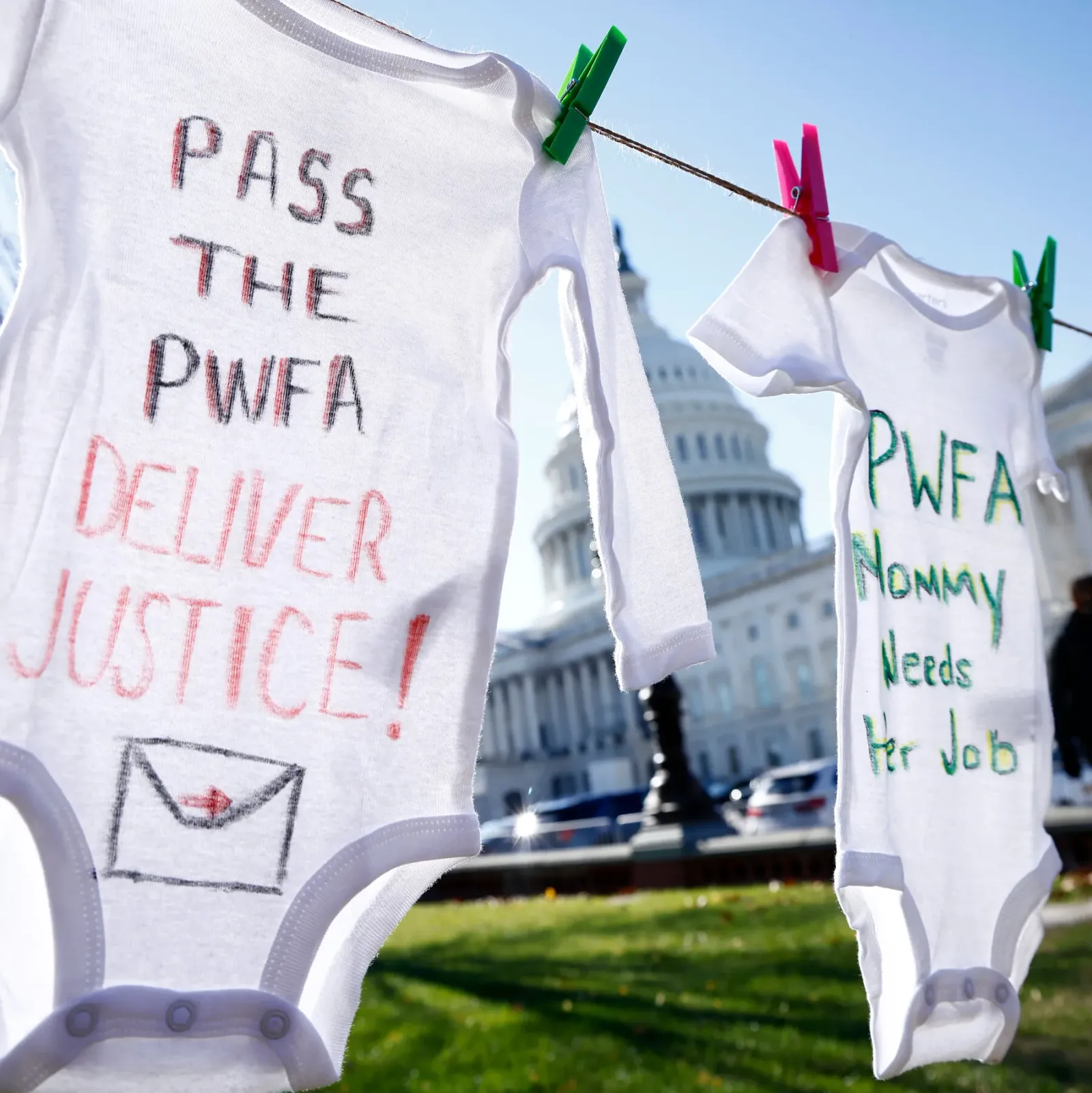
Fifth Circuit Kills Pregnant Workers' Law Over Pandemic Proxy Votes
A procedural ruling, not a policy one, has blocked a federal pregnancy-accommodation law and put every pandemic-era statute in the crosshairs ahead of an expected Supreme Court appeal.

Measles kills a Virginia child under 5, the state's first death of 2026
Virginia's health department confirmed the death but withheld the child's vaccination status, leaving schools, clinics and employers to plan around the one detail that would explain the most.

Former Brazilian President Bolsonaro Hospitalized with Intestinal Obstruction
The health status of the former far-right leader raises immediate questions about political stability and the trajectory of Brazil's conservative movement.