
Leonid meteor's glowing trail hung over Maine for 12 minutes
The Leonids peaked Nov. 17-18 with a 12-minute persistent train, a 92-meteor haul in Japan, and a sprite caught mid-frame, and the Geminids land Dec. 13-14.
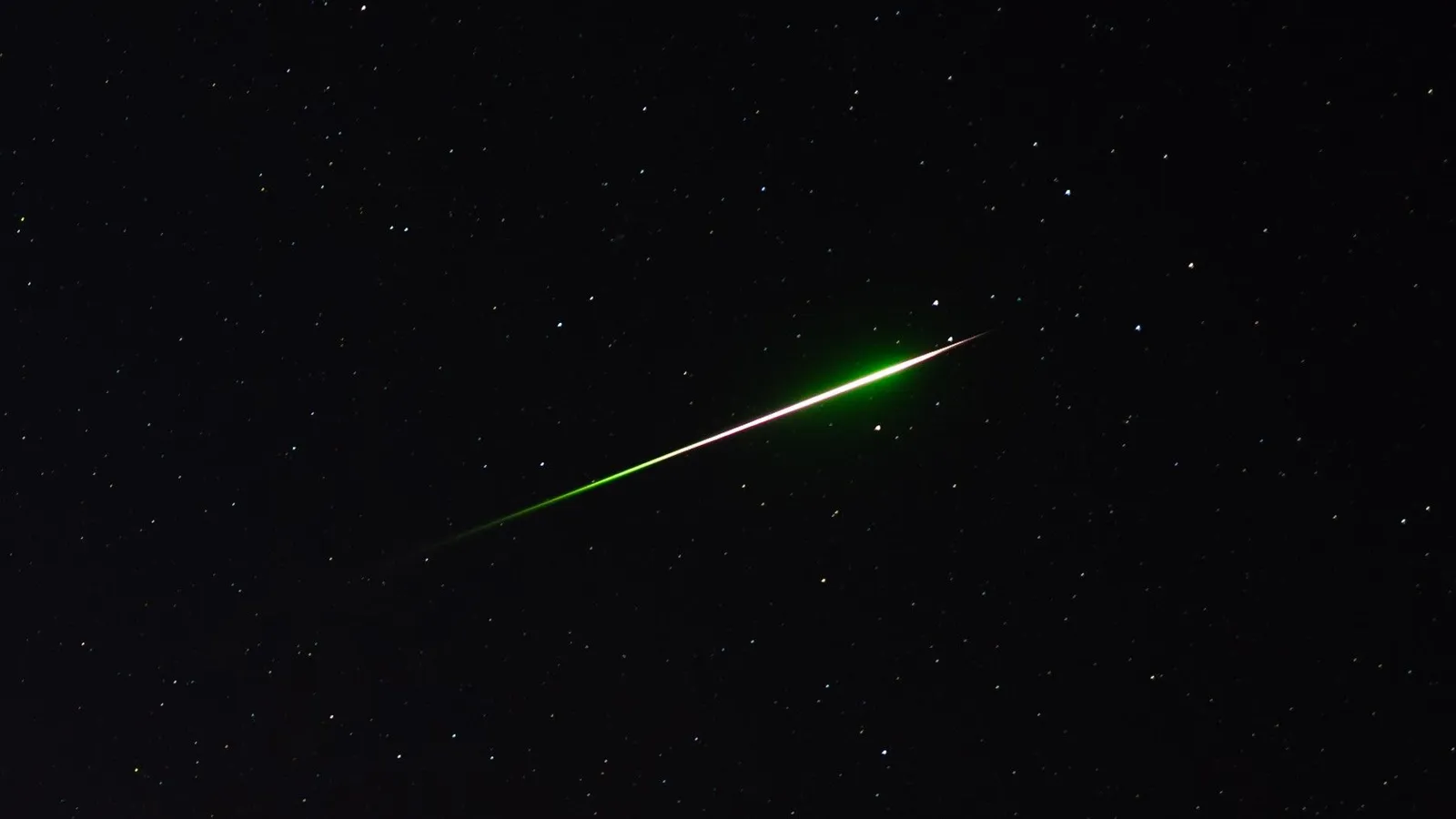
Astrophotographers Rob Wright and Austin Rebello captured a Leonid meteor whose persistent train glowed on camera for 12 minutes over Nubble Lighthouse in York, Maine, during the shower's Nov. 17-18 peak. For decision-makers, the takeaway is that consumer cameras and automated detection rigs are now producing observatory-grade sky imagery, and the next high-volume viewing window, the Geminids, peaks Dec. 13-14.
Rob Wright pointed his camera at the sky over Nubble Lighthouse in York, Maine, and got 12 minutes of evidence. The astrophotographer captured the lingering smoke trail of a bright Leonid meteor on camera for a full twelve minutes. "Turns out the smoke from the bright meteor early this morning was visible on camera for TWELVE (12) MINUTES just lingering there," Wright wrote on X, adding that he made a rough timelapse video to show it. What he photographed has a name: a persistent meteor train. It forms when a bright meteor leaves behind a trail of ionized gas that keeps glowing long after the rock itself is gone. These ghostly trails usually fade fast. Some, like this one, hang around for minutes, twisting and changing shape as winds high in Earth's atmosphere carry them along, according to BBC Sky at Night Magazine.
Wright was not alone on the Maine coast. Austin Rebello drove several hours to Nubble Lighthouse to meet him, chasing one specific composition. "I specifically drove a few hours up there for hopes of capturing exactly this, as the radiant of the Leonids rose behind the lighthouse," Rebello told Space.com in an email. The drive paid off twice. "My friend and I were lucky enough to also see it with our eyes, and it was definitely a top 3 meteor for me, as it was even bright enough to briefly cast shadows," he said. Rebello also revealed on X that the meteor left a vibrant blue trail visible to the naked eye for more than 30 seconds. A meteor bright enough to throw shadows and leave a half-minute blue streak is not a routine sight, even on a peak night.
The Leonids peaked overnight on Nov. 17-18, and the show was global. The shower returns every year when Earth plows through debris left by comet 55P/Tempel-Tuttle, which orbits the sun roughly every 33 years. Those fragments hit the atmosphere at up to 44 miles (71 kilometers) per second and burn up, producing bright streaks. The Leonids are also famous for the extreme: they have produced some of the most spectacular meteor storms in recorded history. This year marks the 60th anniversary of the great Leonid meteor storm of 1966, when observers reported an astonishing 40 meteors per second at the peak. Space.com spoke to people who witnessed that event first-hand, and their accounts are collected in a special feature.
Not every photographer got clean skies. In Deming, New Mexico, Greg Gage set up under a perfectly clear sky and then watched the weather turn. "While it was perfectly clear when I set up the camera, the night turned out to be mostly cloudy with some light fog," Gage told Space.com in an email. "But it was just a thin veil and made for some interesting effects. I did catch one meteor through the fog." The fog was not the only surprise. Gage also caught a meteor that changed color as it fell. "One meteor was rather dramatic. It went through multiple colors as it traveled through the atmosphere," he said. He shot with a Nikon D5500 and a 14mm lens, a reminder that the gear behind many of these images is ordinary consumer equipment, not observatory hardware.
Japan delivered the night's most dramatic single frame. Daichi Fujii, an astronomer and curator of the Hiratsuka City Museum, captured a Leonid fireball streaking over Hiratsuka in the early hours of Nov. 19. The fireball left a glowing trail that shifted from green to orange as it lingered. By NASA's Center for Near Earth Object Studies definition, a fireball is an unusually bright meteor that reaches a visual magnitude of -3 or brighter, which puts Fujii's catch in rare territory.
Elsewhere in Japan, the skywatcher posting as @simao had a genuinely productive night, capturing 92 meteors between 10:17 p.m. local time on Nov. 18 and 5:40 a.m. on Nov. 19 from central Saitama Prefecture. Then came the bonus. At 2:19 a.m. on Nov. 19, looking northwest, they caught a Leonid meteor and a sprite in the same frame. Sprites are fleeting flashes of light high above thunderstorms, typically red and jellyfish-like, and they are notoriously hard to capture. Getting one in the same exposure as a meteor is the kind of luck automated detection rigs are built to chase.
The Leonids were already showing up before peak. On Nov. 16, astrophotographer @EricTheSpaceCat captured several possible Leonids streaking through the sky. If that left you wanting more, the calendar cooperates. The Geminids, one of the most prolific showers of the year, peak overnight on Dec. 13-14, and 2026 is shaping up as a particularly good year for them. A slender waxing crescent moon means minimal moonlight interference, giving skywatchers a shot at up to 120 Geminid meteors per hour under ideal conditions. The playbook: get somewhere dark and away from city lights, and give your eyes around 30 minutes to adjust.
Strip away the pretty pictures and there is a real story about who gets to document the sky. The best frames from this shower came from a museum curator, two friends who drove hours to a lighthouse, and hobbyists running automated detection rigs from their backyards. Consumer cameras and cheap detection software now produce images that once required institutional observatories, and the resulting archive is public, timestamped, and shared in real time. That matters for anyone whose business touches imaging, sensors, or the attention economy of live events: the marginal cost of capturing a once-in-a-decade moment keeps falling, and the people capturing it are increasingly not professionals. Space.com is still collecting submissions at spacephotos@space.com, a reminder that the distribution channel for the next great sky image may be an inbox, not a newsroom.
This story's Key Insights and Take-aways are locked.
Create a free account to unlock Executive Actions for one credit.
Register to UnlockAlways free for Executives Club members. Join the Club
More in Science
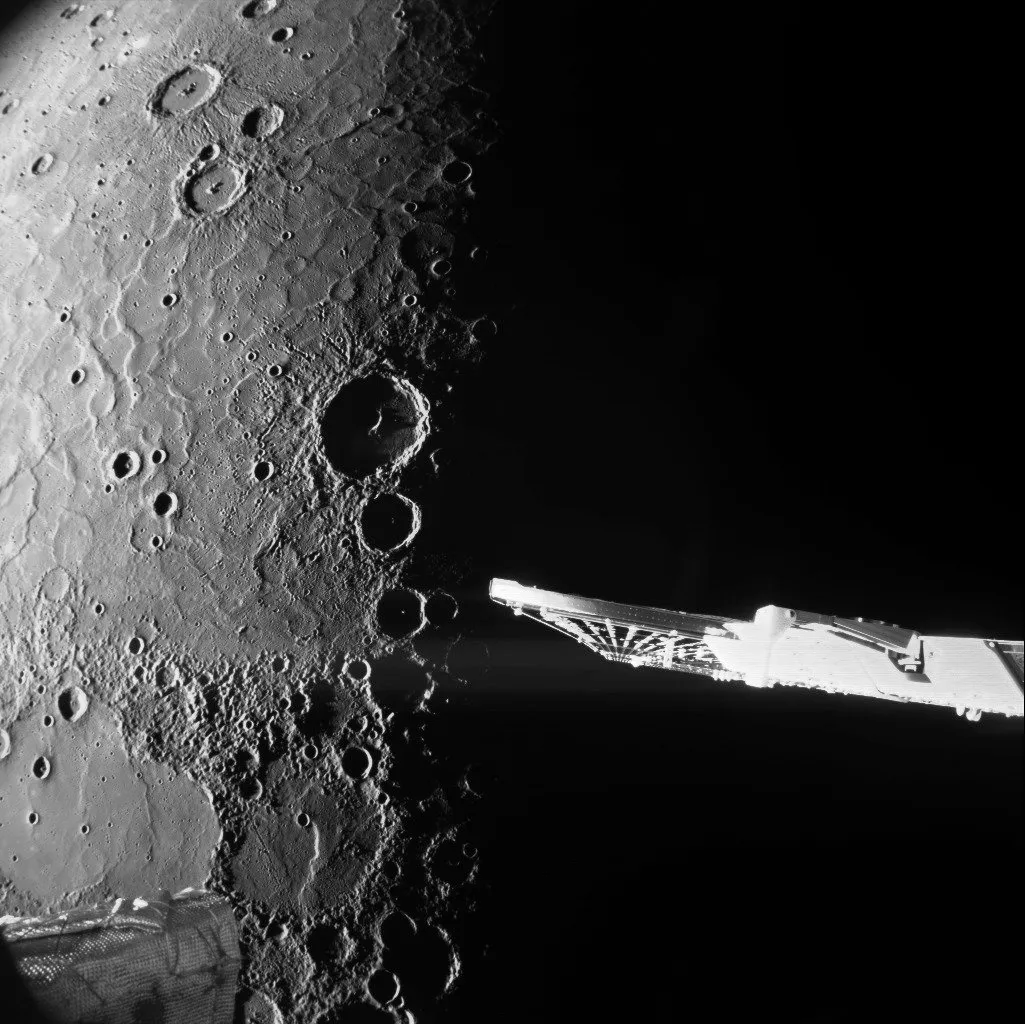
Europe and Japan park $2B twin probes at Mercury after eight years
BepiColombo's arrival ends an eight-year, $2 billion cruise and hands Europe and Japan a multi-year data edge on the solar system's least-studied planet.
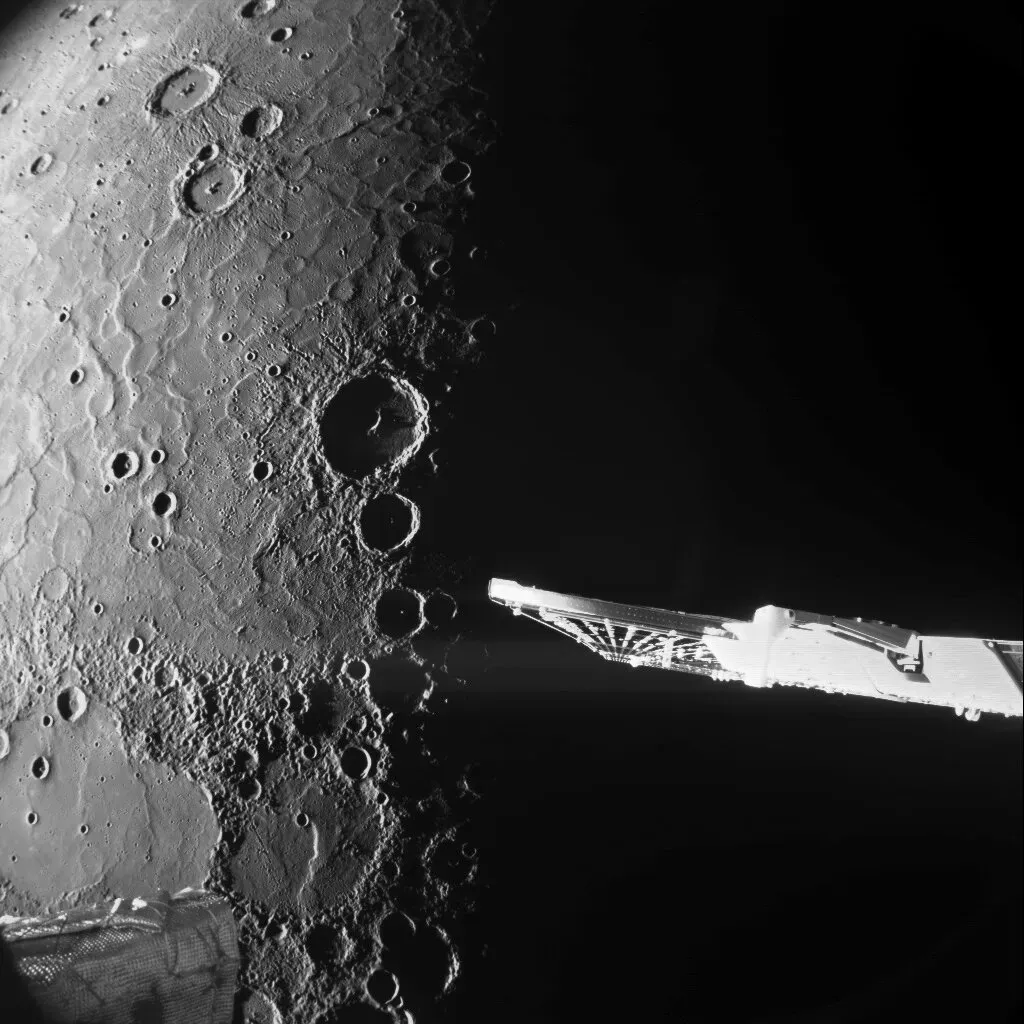
BepiColombo becomes only the second spacecraft ever to orbit Mercury
The international mission reaches the planet closest to the sun, giving scientists a rare second set of eyes and giving operators a case study in long-horizon R&D.

COP31 stalls as countries weigh forcing a Saudi showdown on fossil fuels
Two weeks of UN climate talks in Turkey have overrun without a deal, and the decision now facing governments will shape energy costs, transition timelines and capital allocation for years.