
Microsoft's nearly 9% slide from a Nov. 4 record high: election, Outlook outage
The software giant's record close on Nov. 4 has given way to a nearly 9% drawdown, with the election and an Outlook outage doing the damage.
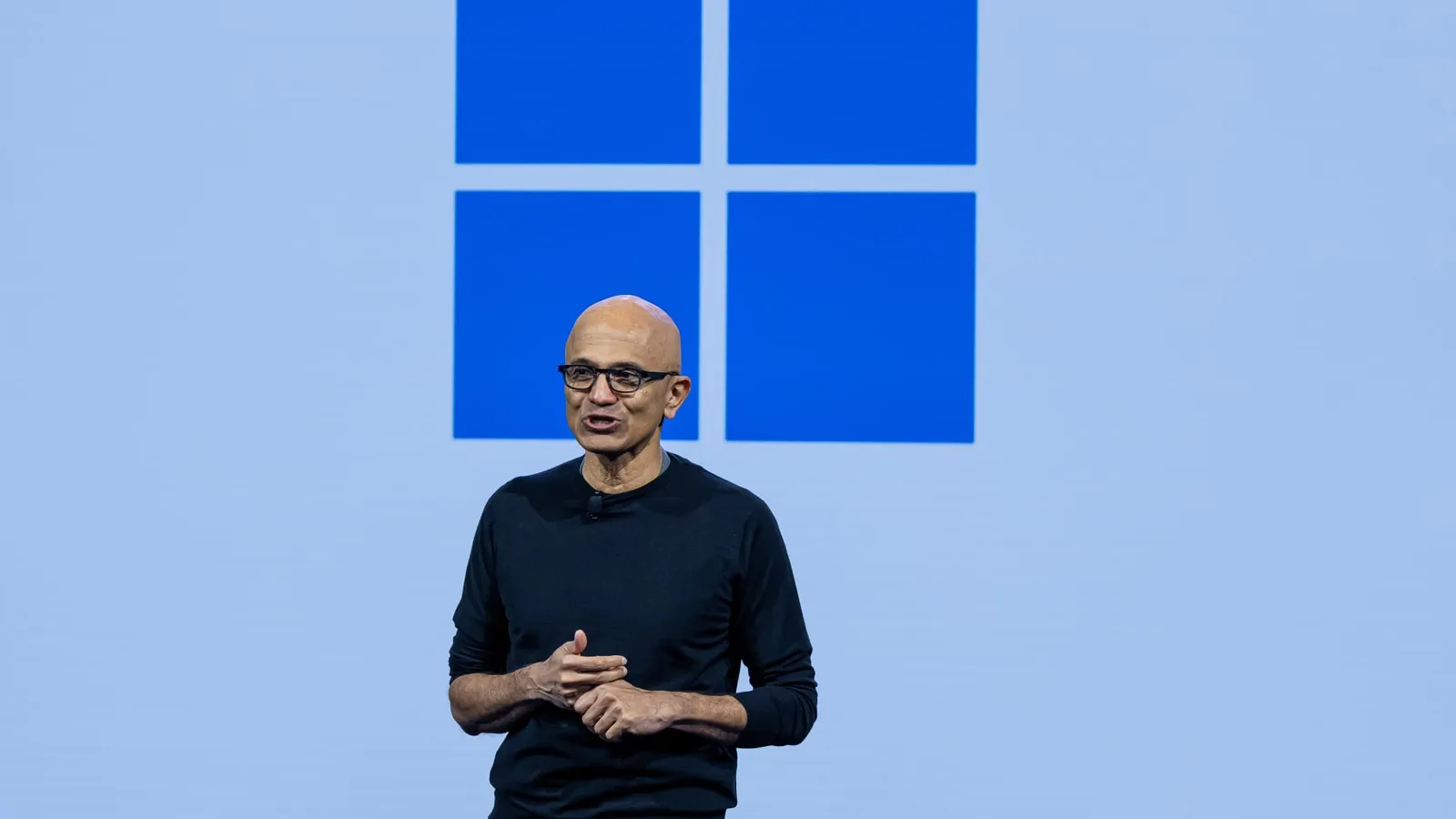
Microsoft shares have dropped nearly 9% since closing at a record high on Nov. 4, a slide CNBC attributes to the election and an Outlook outage. For executives and boards, it is a live demonstration that mega-cap valuations now carry political and operational risk that no earnings model fully prices.
Microsoft closed at a record high on Nov. 4. Since then, the stock has dropped nearly 9%, and CNBC's framing of the move is blunt: first came the election, then came an Outlook outage. That is the entire reported fact set, and it is enough to matter. A record close is a statement that investors have priced in everything good they can currently imagine. What follows a record close is the test of whether that confidence was earned.
Nine percent does not sound like a catastrophe. At Microsoft's scale, it is. The company is one of the most valuable on earth and a core holding in the broad index funds that sit inside most retirement accounts, which means a drawdown of this size is not an abstraction confined to hedge funds. It shows up in 401(k) statements, in pension math, and in the discount rates boards use when they weigh buybacks and acquisitions. When a mega-cap moves, the whole market feels the draft.
The election half of the story is about uncertainty, not about any single policy. Elections reset expectations across four things that matter enormously to a company like Microsoft: regulation, trade, taxes, and government spending. Big tech sits at the intersection of all four. Antitrust scrutiny of the largest platforms has historically been a bipartisan project, and it has not started or stopped with any one administration. Trade policy determines where chips, servers, and devices can move, and at what cost. Tax treatment shapes the after-tax value of the large overseas cash positions these companies hold. And government spending, from cloud contracts to defense and health IT, is a real revenue line. When the political picture shifts, investors reprice all four at once, usually before anyone knows what the actual policy will be. That repricing is the point: markets do not wait for legislation, they trade the probability of it.
The Outlook outage is the smaller, more mundane half, and in some ways the more instructive one. Outlook is less a product Microsoft sells to consumers than the plumbing corporate email runs through. When it goes down, calendars stop syncing, meetings get missed, and IT departments field calls from every floor. Outages at this scale are rare, but they are not impossible, and each one is a reminder that the cloud is a dependency, not a utility. Enterprises that have moved their entire operating stack onto a single vendor have quietly accepted a concentration risk that surfaces on exactly these days.
Put the two together and you get the shape of modern mega-cap risk. Microsoft's valuation rests on a set of assumptions: that its cloud and software franchises keep compounding, that its AI investments eventually convert into revenue, and that nothing exogenous interrupts the story. For context, the central debate among tech investors in recent years has been how much the largest platforms are spending on AI infrastructure and when that spending starts paying for itself. A stock trading at a record high has already answered that question optimistically. Any new uncertainty, political or operational, gets amplified because there is no cushion left in the price.
That is the lesson for every executive and board watching this. Record highs are fragile states. They mean the market has run out of things to be pleasantly surprised by, and the next headline, whatever it is, is more likely to subtract than add. The practical response is not to panic over a nine percent move. It is to make sure the company's own risk register includes the categories that just moved Microsoft: political exposure that no earnings model captures, and operational dependencies that no service-level agreement fully insures.
For peers in similar positions, three things are worth doing now. Map revenue and supply chain against policy scenarios, not just against competitors. Stress-test what a multi-day outage of your primary cloud provider would actually cost, in dollars and in customer trust. And communicate early when something breaks, because the reputational damage from an outage is usually smaller than the damage from silence. Microsoft's nine percent is a market event. The question every other operator should be asking is which of their own assumptions would survive the same week.
This story's Key Insights and Take-aways are locked.
Create a free account to unlock Executive Actions for one credit.
Register to UnlockAlways free for Executives Club members. Join the Club
More in Technology

Anthropic mathematician claims Claude helped crack the Riemann hypothesis
If the proof holds, AI has toppled math's most famous open problem; if it does not, it is a case study in announcing breakthroughs before anyone verifies them.

AI's $4 Trillion Wipeout Erases Nasdaq's Gains for the Year
A brutal week took roughly $4 trillion off the AI sector and left the Nasdaq flat for the year, and the damage ran the full length of the supply chain.

Anthropic mathematician says AI proved the Riemann hypothesis. Verification will take time.
A single unverified claim from inside Anthropic now sits against more than 160 years of open mathematics, and the gap between asserting a proof and surviving peer review is the entire story.