
Microsoft tells Azure staff: top performers get stock, the rest get a meeting
Arun Ulagaratchagan's memo ties Azure pay to results, with extra stock for top performers and formal manager meetings for the rest, a template other cloud chiefs may soon copy.
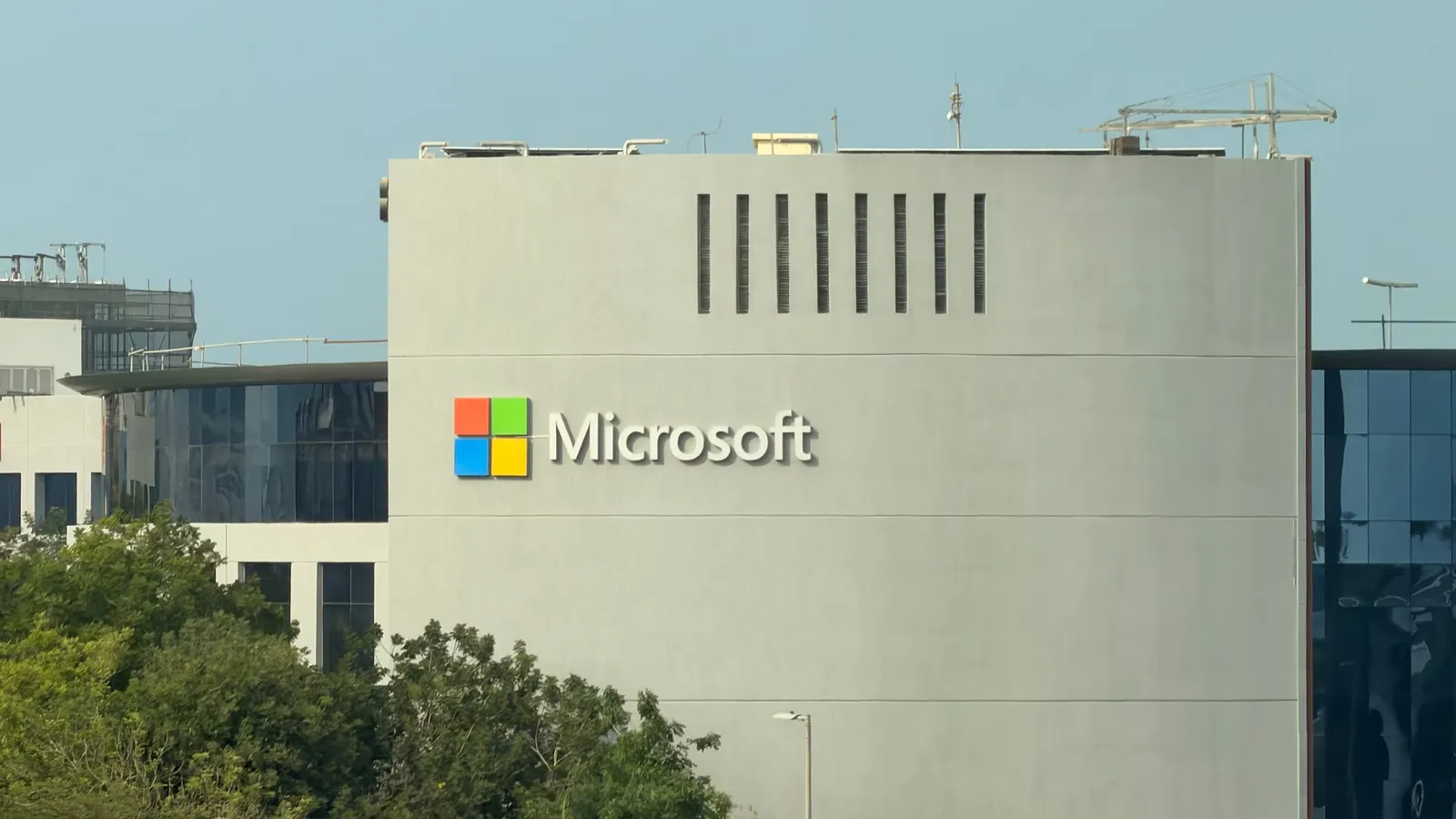
Microsoft Azure chief Arun Ulagaratchagan has told his division, in a memo reported by Bloomberg, that pay will be tied more closely to performance, with extra stock awards for top performers and formal meetings with managers for those with lower results. For decision-makers, it is a live test of whether performance-weighted pay can lift output without triggering attrition in the middle of the org chart.
Microsoft's Azure chief, Arun Ulagaratchagan, has told his division that pay is about to get personal. In a memo reported by Bloomberg, he laid out a sharper performance-based pay model for the cloud unit: top performers get extra stock awards, and staff with lower results get formal meetings with their managers. That is the entire policy in two sentences, and it deserves a second read, because it turns a vague corporate slogan about rewarding excellence into an operating instruction with a named executive standing behind it.
The mechanics matter more than the headline. Extra stock is not a cash bonus. Equity awards at large tech companies typically vest over several years, which means a strong year buys a claim on the employee's next three or four. It is a retention instrument wearing a reward's clothing. The second half of the memo is blunter: formal meetings with managers for people whose results land lower. Formal is the operative word. A formal meeting implies documentation, a defined process, and a defined consequence. That is how large employers build the record they need before a performance improvement plan, a reassignment, or an exit.
Azure is not a side project inside Microsoft. It is the commercial engine of the company's cloud business and the platform on which its AI services are sold and run. Microsoft reports Azure's growth as a rate rather than an absolute dollar figure, which makes that single percentage one of the most scrutinized numbers in technology. When the person running that unit writes a memo about pay, he is not just managing people. He is managing the cost base and the talent density of the business that carries Microsoft's investment story.
The timing fits a pattern across big tech. Over the past few years, the largest technology employers have trimmed headcount, flattened layers of management, and redirected spending toward AI infrastructure. Compensation is the next lever, and it is the one that touches everyone. Historically, large employers have used three tools to raise performance pressure without announcing layoffs: tighter ratings curves, smaller merit pools, and equity concentrated in fewer hands. Ulagaratchagan's memo uses the third tool openly and the first two implicitly.
For managers, the memo hands over both a carrot and a filing cabinet. Extra stock gives them something real to hand a star engineer who is being courted elsewhere. Formal meetings give them a documented step that precedes harder action. The risk sits in the middle of the distribution. Solid, unspectacular performers are the people who keep large platforms running, and they are also the people most likely to read a two-tier pay message as a signal to update their resumes. Every performance-weighted system creates that tradeoff, and every leader who deploys one is betting the upside from the top decile outweighs the quiet attrition in the middle.
The external signals are just as interesting. To investors, performance-weighted pay reads as cost discipline: a payroll that flexes with results, and a management team willing to say so out loud. To recruits, it reads as higher upside for people who expect to be stars. To competitors, it reads as a target list. Rival cloud providers and AI labs that are hiring aggressively now know exactly which Azure employees are being told, in a formal meeting, that their results came in low.
What to watch next is whether the model stays inside Azure. Microsoft's cloud unit is a useful test case because its results are measurable, its customers are enterprises on contracts, and its headcount is large enough for a policy change to show up in the numbers. If the approach works, expect it to migrate to other divisions with similarly legible metrics. If attrition spikes among mid-level engineers, expect a quieter revision and a lot less memo.
The strategic stakes for peers are straightforward. Every large company is trying to fund an expensive AI buildout without adding proportional headcount, and every one of them is looking for a way to pay for it that does not require a public layoff announcement. Microsoft just showed one version of that playbook, complete with a named executive, a stock carrot, and a formal meeting for everyone else. The question for every other leadership team is not whether the model works. It is whether they can run it without losing the people they cannot afford to lose.
This story's Key Insights and Take-aways are locked.
Create a free account to unlock Executive Actions for one credit.
Register to UnlockAlways free for Executives Club members. Join the Club
More in Technology

Anthropic mathematician claims Claude helped crack the Riemann hypothesis
If the proof holds, AI has toppled math's most famous open problem; if it does not, it is a case study in announcing breakthroughs before anyone verifies them.

AI's $4 Trillion Wipeout Erases Nasdaq's Gains for the Year
A brutal week took roughly $4 trillion off the AI sector and left the Nasdaq flat for the year, and the damage ran the full length of the supply chain.

Anthropic mathematician says AI proved the Riemann hypothesis. Verification will take time.
A single unverified claim from inside Anthropic now sits against more than 160 years of open mathematics, and the gap between asserting a proof and surviving peer review is the entire story.