
Missile-struck tankers are leaking oil into the Gulf. No one can get close enough.
The Strait of Hormuz has become both a battlefield and an environmental crime scene, and a naval blockade means the only reliable witnesses are satellites.
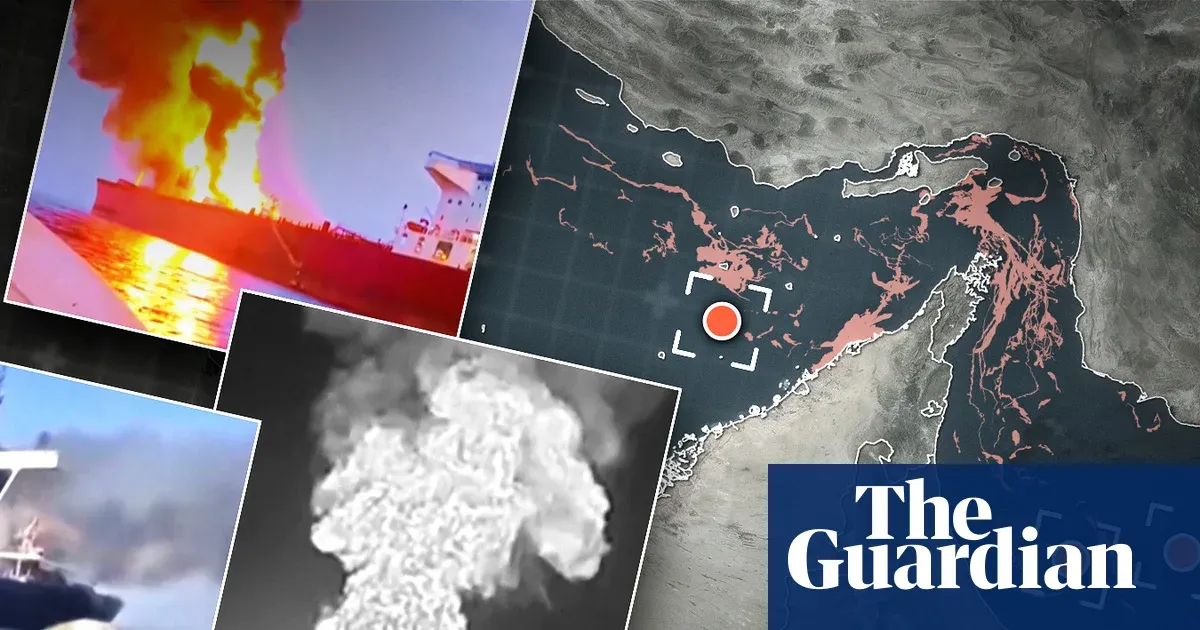
The war between the US, Israel and Iran has turned the Strait of Hormuz, one of the world's busiest oil shipping routes, into a leaking battlefield where tankers hit by missiles or sea mines are spilling oil into the Gulf. A naval blockade makes many affected areas inaccessible, so the damage is being assessed largely through satellite imagery, leaving a growing environmental liability with no verifiable owner.
The Strait of Hormuz, one of the world's busiest oil shipping routes, is now two things at once: a battlefield in the war between the US, Israel and Iran, and the site of a deepening environmental disaster. Tankers struck by missiles or sea mines are leaking oil into the Gulf. The slicks are vast enough to be visible from space. They are staining coastlines and threatening lasting damage to marine ecosystems. This is not a spill in the ordinary sense, where a single vessel, a single owner and a single insurer can be identified and billed. It is an accumulating, multi-source leak sitting inside an active war zone.
And almost nobody can get close enough to see it properly. Many of the affected areas remain inaccessible because of the naval blockade, which makes it virtually impossible to document the devastation on the ground. That is why The Guardian examined dozens of satellite images and spoke to environmental experts in an effort to assess the scale of the damage. The result is an uncomfortable inversion: the clearest evidence of what is happening in the Gulf is arriving from orbit, while the water itself stays off limits.
Why the location turns a shipping accident into a global story. Hormuz is the narrow channel through which a huge share of the world's seaborne crude and refined product normally moves; historically, roughly a fifth of global oil consumption passes through it. Chokepoints compress risk. A single struck tanker is not just a vessel in distress, it is a signal that the route itself has become contested. When the route is contested, the consequences stack: shipping behavior shifts, environmental damage compounds, and the ability of anyone to respond is constrained by the same military reality that caused the damage in the first place.
The Gulf is unusually bad at healing itself. It is shallow, warm and comparatively slow to flush, which means oil that enters it typically lingers rather than dispersing into open ocean. Slicks can break up, sink or wash ashore, where they contaminate sediment and shorelines that support the region's fisheries. Researchers who study marine spills have long warned that the visible surface slick is only part of the story; the longer-term damage happens below the waterline and along the coast, and it takes years to surface in fish stocks and reef health. The ecosystems at risk here are not hypothetical, and the reporting makes clear the threat is lasting.
The blockade is the second disaster layered on the first. Without physical access, the damage cannot be sampled, mapped or verified at the standard that legal and insurance processes typically require. In a conventional spill, response teams take water and sediment samples, establish a chain of custody, and build the evidence base that determines who pays. Here, that chain is broken at the first link. The practical effect is that the environmental cost becomes an unowned liability: it is real, it is growing, and there is no agreed method for assigning it. Satellite imagery can show extent and drift. It cannot tell you what is happening in the water column.
For the people who live on these coasts, the stakes are immediate rather than abstract. Gulf populations depend heavily on desalinated seawater for drinking water and on fisheries for food and livelihoods, and both are directly exposed to hydrocarbons in the water. Coastlines that carry tourism, ports and heavy industry are exposed too. Historically, the region has spent decades and enormous capital building infrastructure to make life possible in one of the hottest, driest places on earth. Oil in the Gulf puts a question mark over that infrastructure in a way that is genuinely difficult to insure against.
That is what makes this a story for anyone with exposure to energy, shipping or the region, not just for environmentalists. War risk in a chokepoint is not a new category. What is new is the combination: an active conflict, a naval blockade, and a spill with multiple sources and no accessible ground truth. The result is a liability that resists the usual instruments. Insurers, charterers, refiners, port operators and coastal states all have an interest in the answer, and none of them can currently obtain one.
Watch three things from here. First, whether satellite monitoring continues to be the primary record of the spill, because that determines the quality of any future claim. Second, whether access opens up enough for independent experts to sample the water and the shoreline, because that is the moment the damage stops being contested and starts being priced. Third, whether the slicks spread into active shipping lanes or onto populated coastlines, which would turn a regional environmental crisis into an operational one for every operator in the Gulf. The headline is oil in the Gulf. The harder question is who ends up paying for it, and whether anyone can prove the bill before the evidence disperses.
This story's Key Insights and Take-aways are locked.
Create a free account to unlock Executive Actions for one credit.
Register to UnlockAlways free for Executives Club members. Join the Club
More in Science
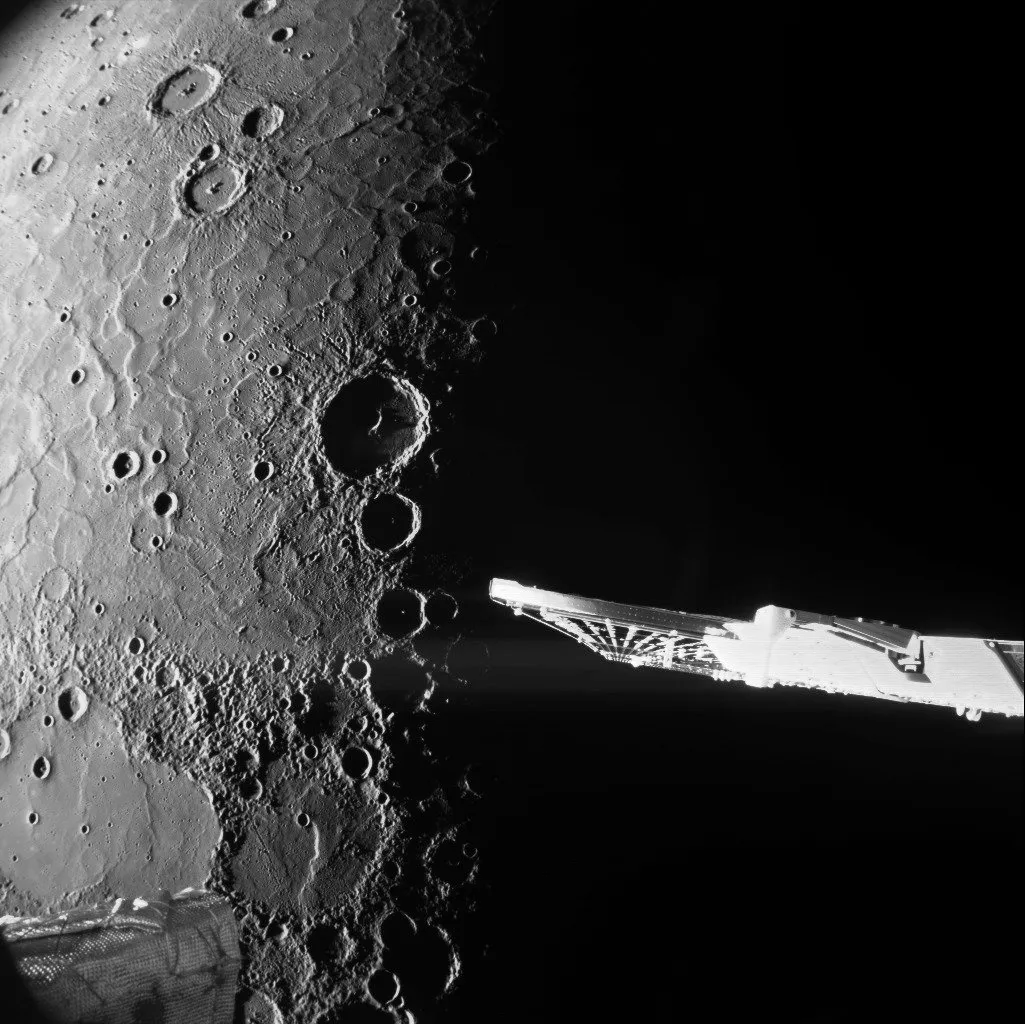
Europe and Japan park $2B twin probes at Mercury after eight years
BepiColombo's arrival ends an eight-year, $2 billion cruise and hands Europe and Japan a multi-year data edge on the solar system's least-studied planet.
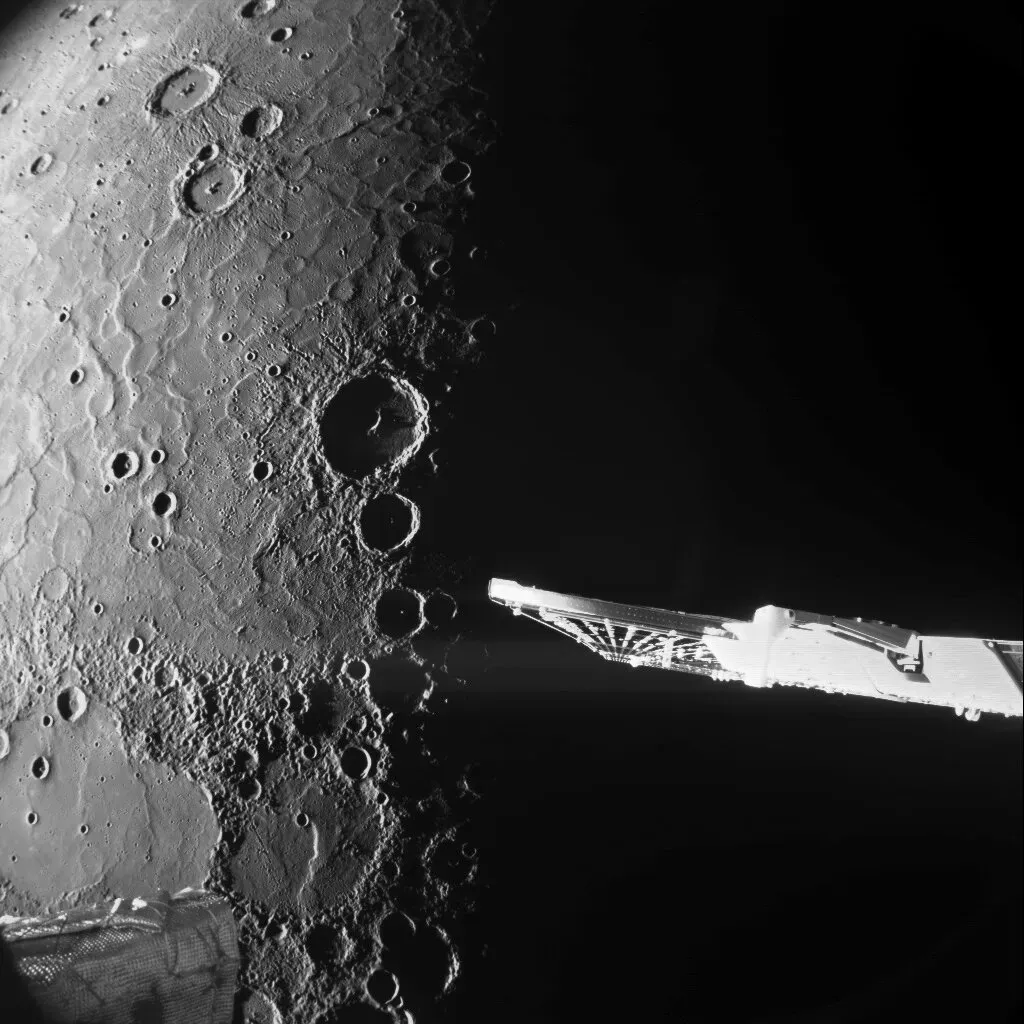
BepiColombo becomes only the second spacecraft ever to orbit Mercury
The international mission reaches the planet closest to the sun, giving scientists a rare second set of eyes and giving operators a case study in long-horizon R&D.
COP31 stalls as countries weigh forcing a Saudi showdown on fossil fuels
Two weeks of UN climate talks in Turkey have overrun without a deal, and the decision now facing governments will shape energy costs, transition timelines and capital allocation for years.