
Musk's $500M Midterm Bet Backfires: 'I Feel Pretty Foolish'
He poured roughly $200 million into trying to sink Texas Senator-elect James Talarico, Democrats still swept both chambers, and now the cycle's biggest spender is publicly distancing himself from the brand he funded.
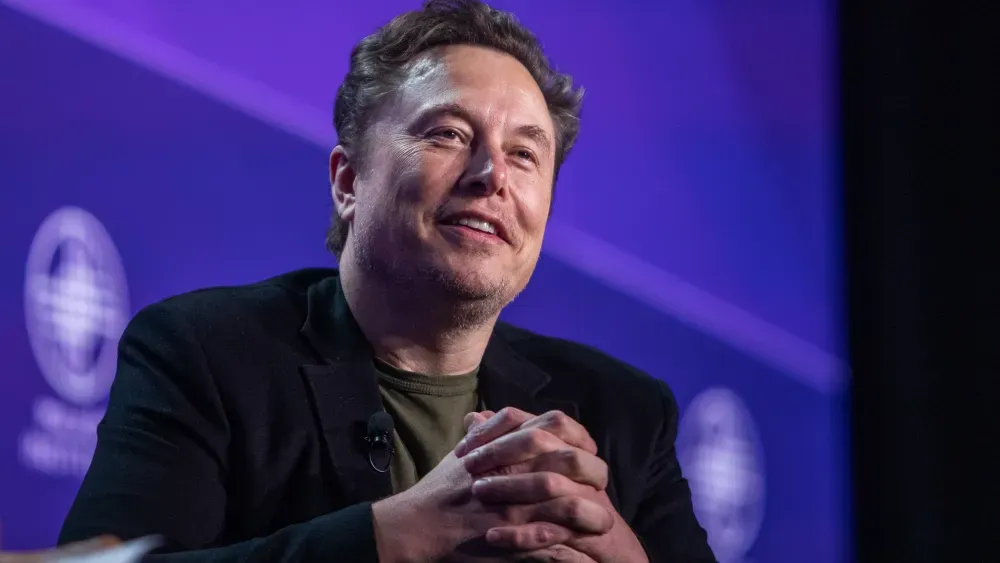
Elon Musk spent nearly $500 million backing Republicans in the 2026 midterm elections, including about $200 million aimed at defeating Texas Senator-elect James Talarico, and Democrats still took both the House and the Senate. His admission that he feels 'pretty foolish' and is 'not MAGA' converts a political loss into a live governance and reputational question for any founder-led company with federal contracts, permits, or regulatory exposure.
Elon Musk spent nearly $500 million trying to bend the 2026 midterms. The midterms bent him instead. The billionaire backed Republicans in a cycle that ended with Democrats taking over the House and the Senate and the GOP suffering a sweeping defeat, and he is now calling the outlay a mistake in public. 'I feel pretty foolish,' Musk said, while also claiming he is 'not MAGA.' The priciest single line item inside that spending: roughly $200 million aimed at defeating James Talarico in Texas. Talarico is now Senator-elect.
Sit with the $200 million for a second. One donor, one state, one race, and the result went the other way. In US campaign finance, money on this scale typically moves through super PACs and independent expenditure committees, which can raise and spend unlimited sums as long as they do not coordinate directly with candidates. The trade-off is built into the structure: you can buy enormous volume in advertising, mail, and turnout operations, but you cannot buy the vote itself, and you cannot control the national mood the ads land in. Historically, the largest single-donor cycles have produced mixed returns, which is why professionals treat political spending as a high-variance bet rather than a purchase order. The $500 million total and the $200 million Texas push are the clearest recent illustration of that gap between spend and outcome.
Then there is the second half of Musk's statement, the part that may travel further than the money. Saying he is 'not MAGA' after funding a losing slate is a repositioning move, and repositioning moves get read two ways at once. Allies of the movement he funded can hear an exit. Opponents can hear an attempt to have it both ways. Either reading sticks, because the quote is now on the record and will follow him into the next cycle, the next hearing, and the next earnings call where someone asks what the political activity cost shareholders.
The mechanics matter for anyone who writes checks into politics. Independent expenditures carry no contribution limits, which is how a single individual can move nine figures in one cycle. But marginal returns fall fast. Once a race is saturated, extra dollars mostly displace dollars that would have been spent anyway, and the remaining persuadable voters are the hardest and most expensive to reach. When the national environment shifts hard against your side, as it did here, no amount of spending reliably offsets it. That is the lesson the $500 million number encodes: scale is not control, and the most expensive race on the ballot is not automatically the most winnable one.
For an executive whose companies sit in regulated industries, the stakes go well past pride. Firms with federal contracts, launch licenses, spectrum, subsidies, or antitrust exposure typically live with whichever party holds the gavels. A donor who has publicly picked a side and lost starts the new Congress with less goodwill and more scrutiny than a peer who stayed quiet. It also hands critics a ready-made narrative, that the company is an extension of the founder's politics, which is not a headline any general counsel wants circulating during a contract negotiation or a committee hearing.
Boards are increasingly treating this as governance rather than personal expression. When a founder-CEO's political spending is large enough to invite retaliation or move sentiment around the stock, it becomes a material risk item, comparable to any other concentration the company carries. Directors typically want three things: advance notice, a clear separation between personal and corporate money, and a story they can defend if the bet loses. Musk's case is a clean illustration of what happens when the bet is large, the loss is public, and the explanation arrives after the votes are counted.
What to watch now is not whether Musk spends again, but how. A donor who says he feels foolish and insists he is not MAGA is signaling either a retreat or a rebrand, and those two paths carry very different costs for the companies attached to his name. For peers in the same seat, the takeaway is unglamorous and urgent: political capital is an asset with a real drawdown, and the executives who manage it like one, sizing the position, setting a limit, and briefing the board before the returns come in, will be the ones who never have to explain a half-billion-dollar loss on the record.
This story's Key Insights and Take-aways are locked.
Create a free account to unlock Executive Actions for one credit.
Register to UnlockAlways free for Executives Club members. Join the Club
More in Politics
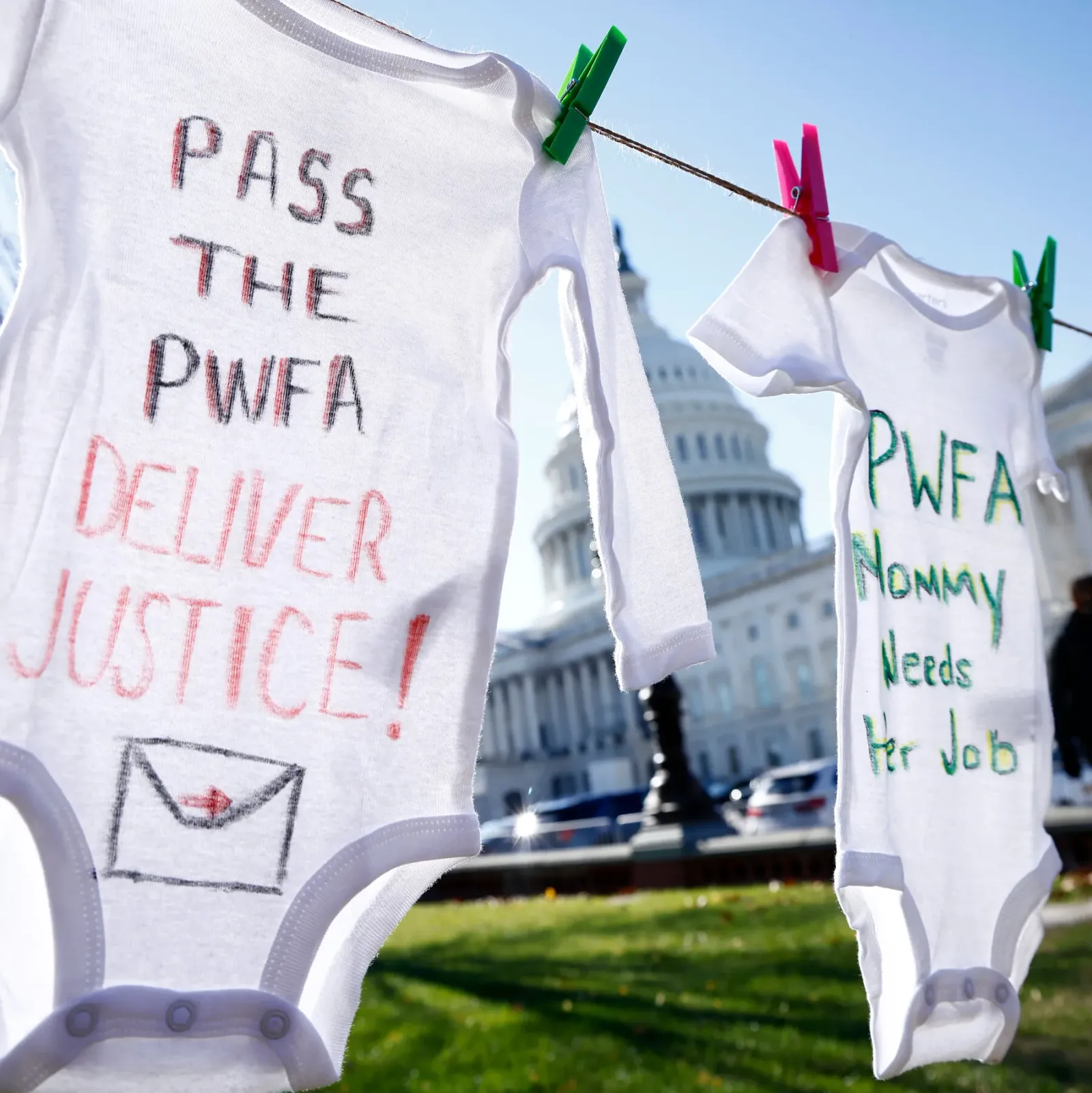
Fifth Circuit Kills Pregnant Workers' Law Over Pandemic Proxy Votes
A procedural ruling, not a policy one, has blocked a federal pregnancy-accommodation law and put every pandemic-era statute in the crosshairs ahead of an expected Supreme Court appeal.

Measles kills a Virginia child under 5, the state's first death of 2026
Virginia's health department confirmed the death but withheld the child's vaccination status, leaving schools, clinics and employers to plan around the one detail that would explain the most.
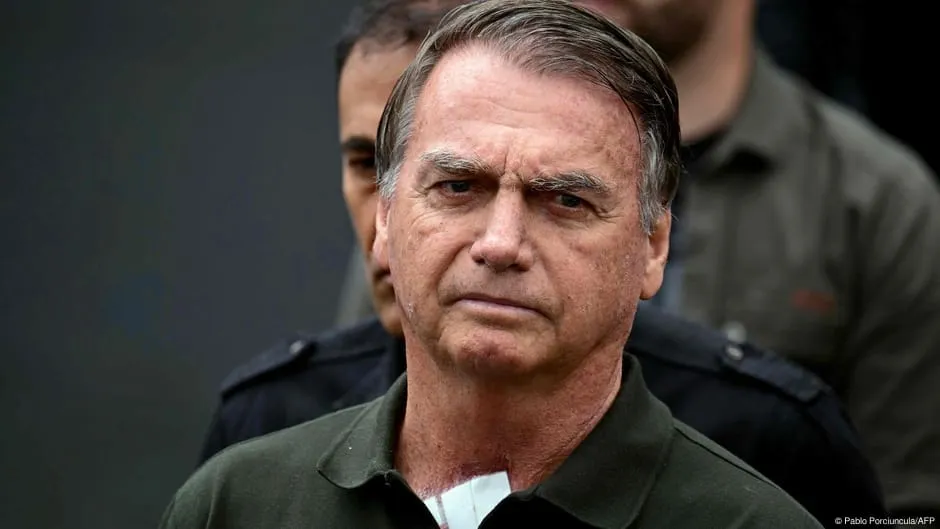
Former Brazilian President Bolsonaro Hospitalized with Intestinal Obstruction
The health status of the former far-right leader raises immediate questions about political stability and the trajectory of Brazil's conservative movement.