
Nature: plugging poor countries' weather-data gaps is self-interest, not charity
The journal argues that funding observation networks in low-income countries is the cheapest disaster insurance rich economies can buy, because weather does not stop at borders.
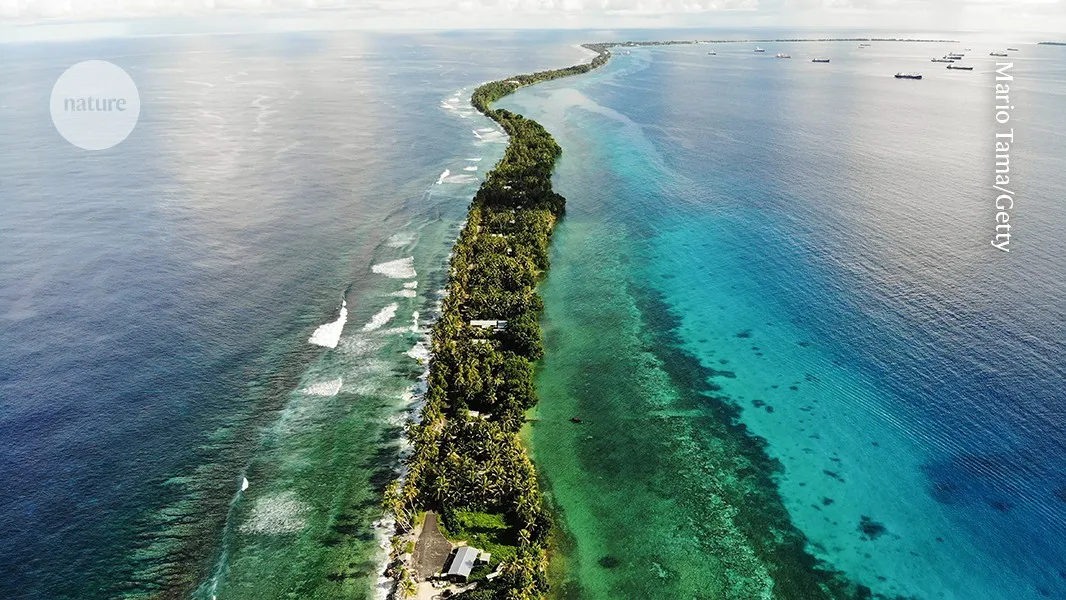
Nature published a piece on 20 November 2026 arguing that investing in weather observations in low-income countries will help prevent climate disasters worldwide, and that plugging those data gaps is not charity. For decision-makers, the consequence is that forecast accuracy, catastrophe pricing and supply chain resilience in rich markets depend on infrastructure those markets do not fund.
Nature has a blunt message for wealthy economies: the holes in the world's weather data are not somebody else's problem. In a piece published online on 20 November 2026 (doi:10.1038/d41586-026-03811-8), the journal argues that investing in observations in low-income countries will help prevent climate disasters worldwide, and that framing that spending as charity gets the economics exactly backwards. The headline says it plainly: these gaps in weather data affect forecasts everywhere, and plugging them is not charity.
Here is the mechanism, and it is not complicated. Every forecast you read, whether it is a five-day rain outlook for a factory site or a hurricane track that decides whether a port closes, begins as a physics simulation seeded with observations. Surface stations, weather balloons, buoys, aircraft reports and satellites feed those models. Where the observations stop, the model does not stop; it fills the hole with an estimate. Estimates are where forecast skill goes to die. Weather systems do not respect borders, so a storm that forms over a region with thin ground coverage is a storm that arrives somewhere else with less warning and a wider cone of uncertainty.
This is a classic public-goods problem, and it has been one for decades. Observation networks are expensive to build and expensive to maintain, and the benefits spill far beyond the country that pays for them. A finance ministry in a low-income country weighing a new radar installation against schools, clinics or debt service is being asked to buy a global benefit with a national budget. Historically, that arithmetic has produced chronic underinvestment, and the shortfall shows up as degraded forecast skill in places that never wrote the cheque.
Nature's reframe is the interesting part. If the benefits are global, the bill should be too, and the case for paying it is not moral, it is actuarial. Early warning is almost always cheaper than disaster response: evacuations, pre-positioned supplies, shut-down grids and closed ports cost money, but they cost less than rebuilding. For a rich country, funding observation capacity in a data-sparse region is closer to buying insurance on its own supply chains, insurers and citizens than to writing a donation.
The second-order effects are where this gets commercially interesting. Reinsurance and catastrophe models price physical risk using the same observational record, so gaps in the data become gaps in the pricing, and mispriced risk eventually shows up as a nasty surprise on somebody's balance sheet. Commodity traders, agribusinesses, airlines, shipping lines and utilities all plan around forecasts whose accuracy depends on data collected in places they have never audited. Climate adaptation spending is rising fast, and the cheapest dollar in that budget may be the one spent on measurement rather than on response.
The practical question is who writes the cheque and how. National meteorological services typically lack the capital budgets for network expansion, while development finance institutions, multilateral climate funds and donor governments hold the purse strings. That mismatch is the bottleneck. Closing it does not require a new institution so much as a decision to treat observation networks as shared infrastructure, the way undersea cables and navigation satellites are treated, rather than as aid projects competing with health and education for the same envelope. Coordination matters too: fragmented, project-by-project funding tends to build stations that nobody maintains, which is how a network quietly decays back into a gap.
For executives, the takeaway is uncomfortable but useful. If your physical risk models, your insurance programme or your supply chain continuity plan assumes a certain level of forecast accuracy, part of that accuracy is being produced by infrastructure you are not paying for and cannot see. That is a hidden dependency, and hidden dependencies are exactly what boards are supposed to surface before they bite. The same logic applies to lenders underwriting assets in exposed regions and to investors holding long-dated infrastructure in climate-sensitive geographies.
Nature's argument lands at a moment when climate adaptation money is being allocated and when every forecast, everywhere, is only as good as the thinnest part of the network behind it. Plugging the gaps is not charity. It is maintenance on a system that the world's richest economies already depend on, and the bill for skipping it arrives as a disaster, not an invoice.
This story's Key Insights and Take-aways are locked.
Create a free account to unlock Executive Actions for one credit.
Register to UnlockAlways free for Executives Club members. Join the Club
More in Science
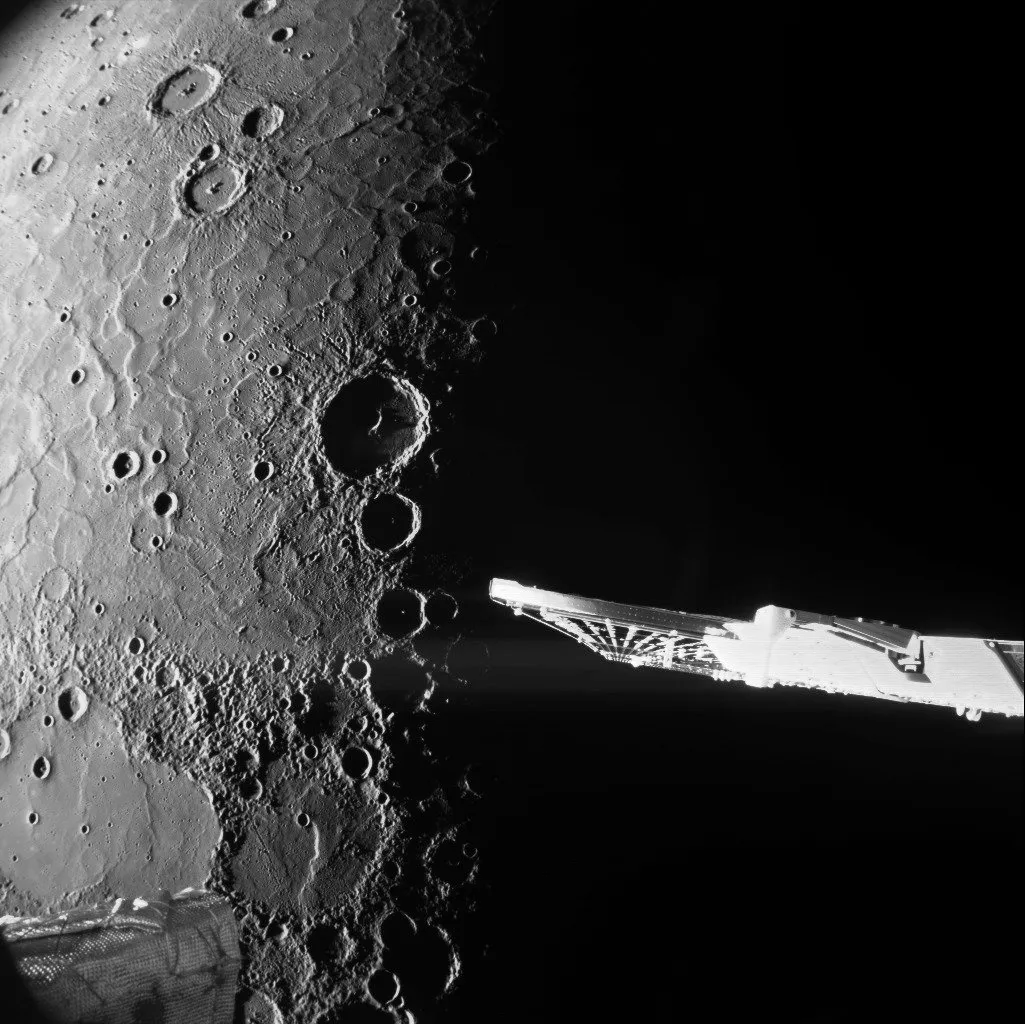
Europe and Japan park $2B twin probes at Mercury after eight years
BepiColombo's arrival ends an eight-year, $2 billion cruise and hands Europe and Japan a multi-year data edge on the solar system's least-studied planet.
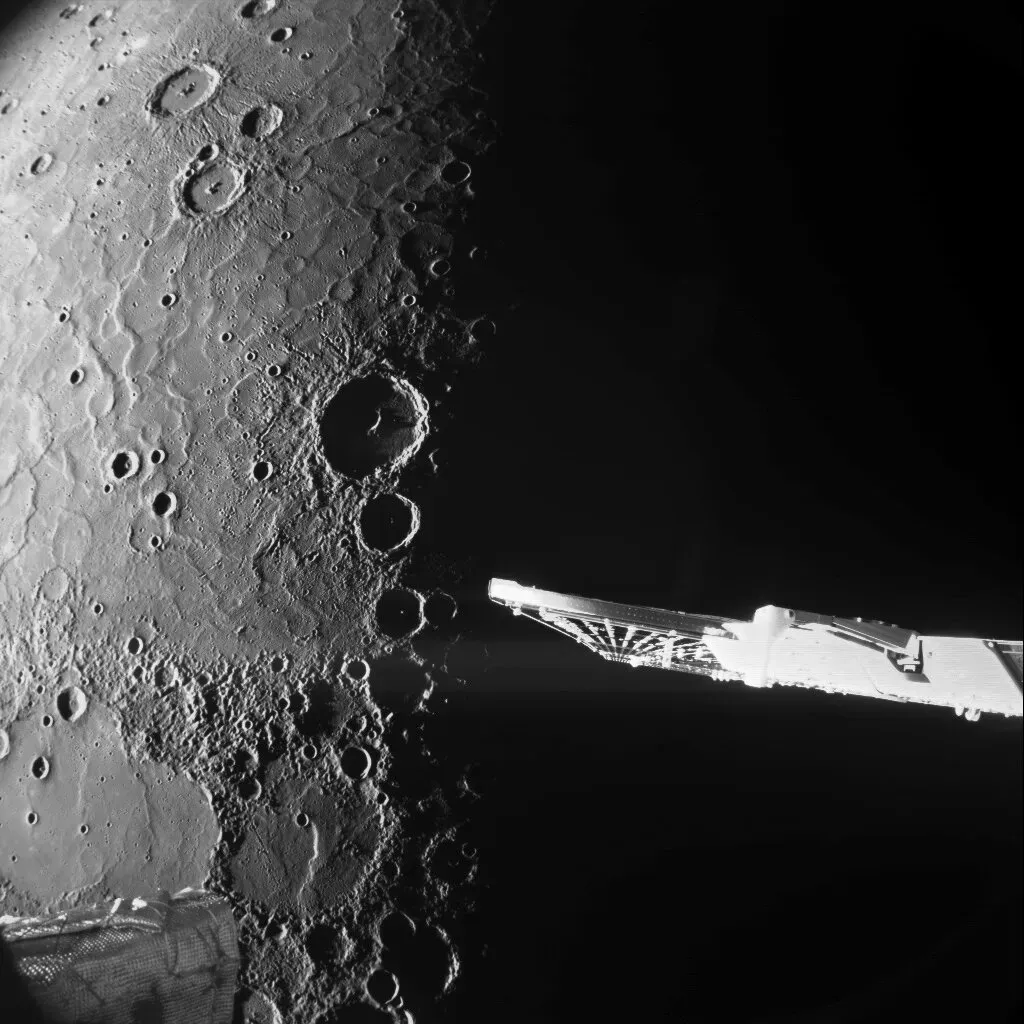
BepiColombo becomes only the second spacecraft ever to orbit Mercury
The international mission reaches the planet closest to the sun, giving scientists a rare second set of eyes and giving operators a case study in long-horizon R&D.
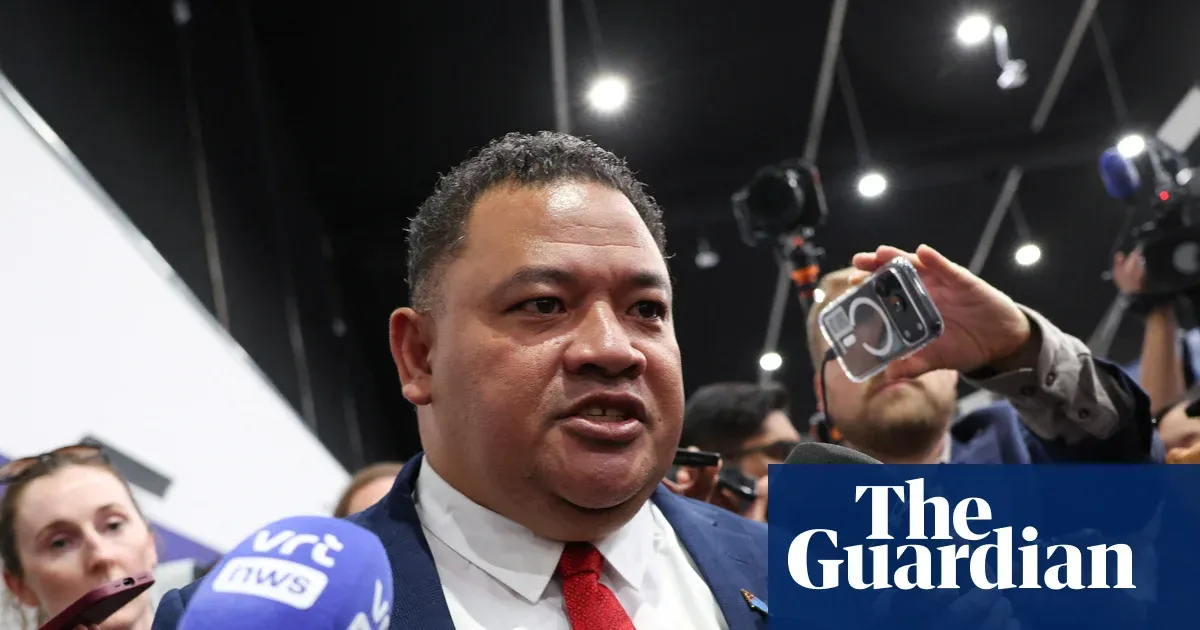
COP31 stalls as countries weigh forcing a Saudi showdown on fossil fuels
Two weeks of UN climate talks in Turkey have overrun without a deal, and the decision now facing governments will shape energy costs, transition timelines and capital allocation for years.