
No 10: EU-UK food and youth visa deals go down to the wire
Two deals that would cut food export friction and open youth mobility are on the table at Friday's summit, and Downing Street says neither is signed yet.
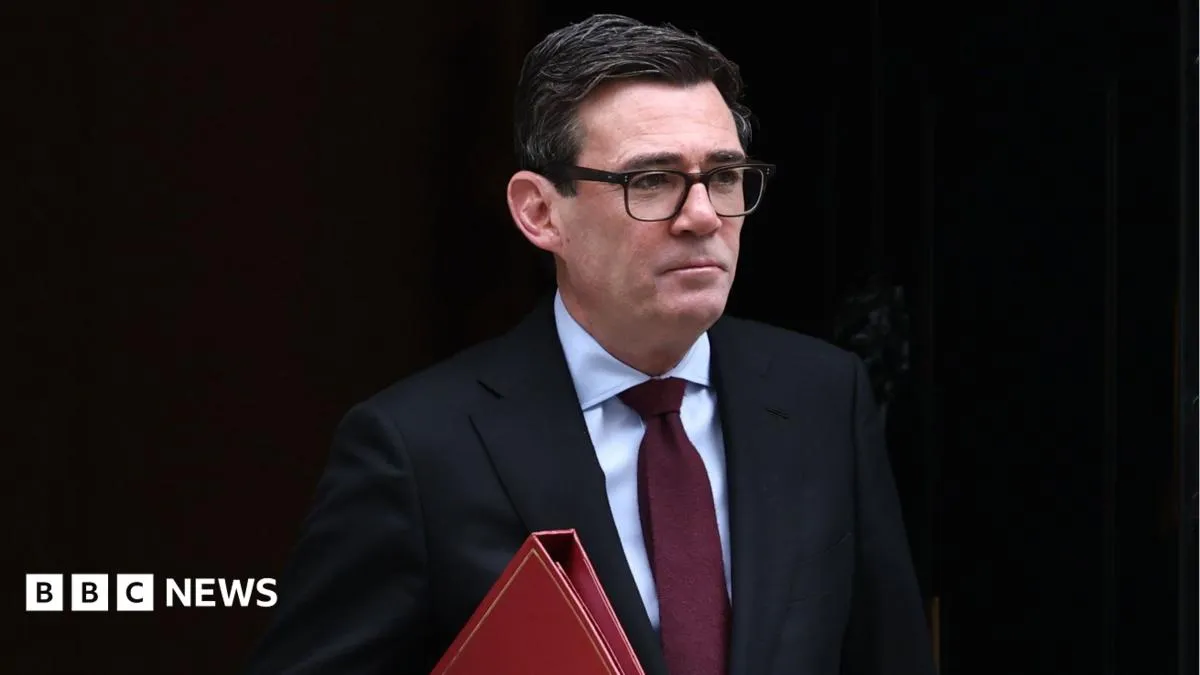
Downing Street says EU-UK talks are going down to the wire ahead of a Friday summit where new deals on food trade and visas for young people are expected. For exporters and employers, the outcome decides whether border paperwork costs fall and whether a new route to hire younger workers actually opens.
Downing Street is telling anyone who will listen that this one is not finished. The EU and UK are expected to reach new deals on food trade and visas for young people at a summit on Friday, but No 10 says the talks are going down to the wire, a phrase that does a lot of work in Westminster and an equal amount in Brussels. Translation: two agreements that touch real money and real people are close, and neither side is yet willing to call them done.
The two files are narrow on paper and broad in practice. The first covers food trade, the movement of agricultural and food products across the Channel, an area where post-Brexit paperwork has been a persistent complaint from exporters. The second covers visas for young people, a mobility arrangement that would let younger citizens of each side live and work in the other for a period. Both have been floating around EU-UK relations for years. Friday is the moment they may finally land.
For context, food and farm exports have been among the hardest-hit categories since the UK left the EU's single market and customs union. Agri-food shipments typically require health certificates, and they can face physical checks at the border, which adds cost and delay to products that are often perishable. Larger processors can absorb that. Smaller producers, the ones shipping cheese, seafood, or specialty meats in modest volumes, often cannot, because compliance costs are largely fixed regardless of how much you move. Any deal that reduces that friction is worth real money to a sector that has spent years arguing the paperwork is disproportionate to the actual risk. It is also the kind of change that shows up in a margin line rather than a press release.
The youth visa file is politically hotter. A mobility scheme, typically aimed at people in their late teens and twenties, would allow temporary work and study in the other jurisdiction. For UK hospitality, agriculture, and care operators who have struggled to fill roles, that is a potential source of labour. For Brussels, it is a way to rebuild people-to-people ties that have thinned since 2020. For UK politicians, it is a word that sounds a lot like immigration, which is precisely why it has taken so long to get this far.
That is the backdrop to No 10's caution. Summits are choreographed, and leaders rarely arrive without something to announce. But "expected to reach" is not "have reached". Deals of this kind often land as political agreements first, with the legal text, the implementation dates, and the enforcement machinery following later. The gap between a handshake on Friday and a change in how a lorry moves through Dover or Calais can be months, sometimes longer. Anyone modelling savings off a Friday headline is modelling off the wrong date.
So the questions that matter are structural, not theatrical. Is this a formal change to the existing EU-UK treaty framework, or an administrative easement that a future government could quietly reverse? Does the food deal cover all agri-food categories or a subset, and does it cut certificates, physical checks, or both? Is the youth visa scheme reciprocal, capped, time-limited, and does it include students as well as workers? Each answer changes who benefits and by how much, and none of them are settled by the word "expected".
For exporters, the practical test is whether the cost of a health certificate and a border check actually falls. For HR and operations leads at hospitality, farming, and care businesses, it is whether a new hiring route exists and when it opens. For investors, it is a signal about the direction of EU-UK relations: incremental, technical, and unglamorous, but the kind of incrementalism that quietly changes the cost base of a whole sector. Watch the follow-up documents, not the podium.
No 10's line about going down to the wire is a hedge, and a reasonable one. The direction of travel is clear: two deals, one summit, Friday. The details are where the money is, and those are not done yet.
This story's Key Insights and Take-aways are locked.
Create a free account to unlock Executive Actions for one credit.
Register to UnlockAlways free for Executives Club members. Join the Club
More in Politics

Fifth Circuit Kills Pregnant Workers' Law Over Pandemic Proxy Votes
A procedural ruling, not a policy one, has blocked a federal pregnancy-accommodation law and put every pandemic-era statute in the crosshairs ahead of an expected Supreme Court appeal.

Measles kills a Virginia child under 5, the state's first death of 2026
Virginia's health department confirmed the death but withheld the child's vaccination status, leaving schools, clinics and employers to plan around the one detail that would explain the most.

Former Brazilian President Bolsonaro Hospitalized with Intestinal Obstruction
The health status of the former far-right leader raises immediate questions about political stability and the trajectory of Brazil's conservative movement.