
Nvidia's 14% slide caps longest weekly losing streak since 2008
The AI trade's biggest winner just fell to third place behind Apple and Microsoft, and the streak it ended has not run this long since the financial crisis.
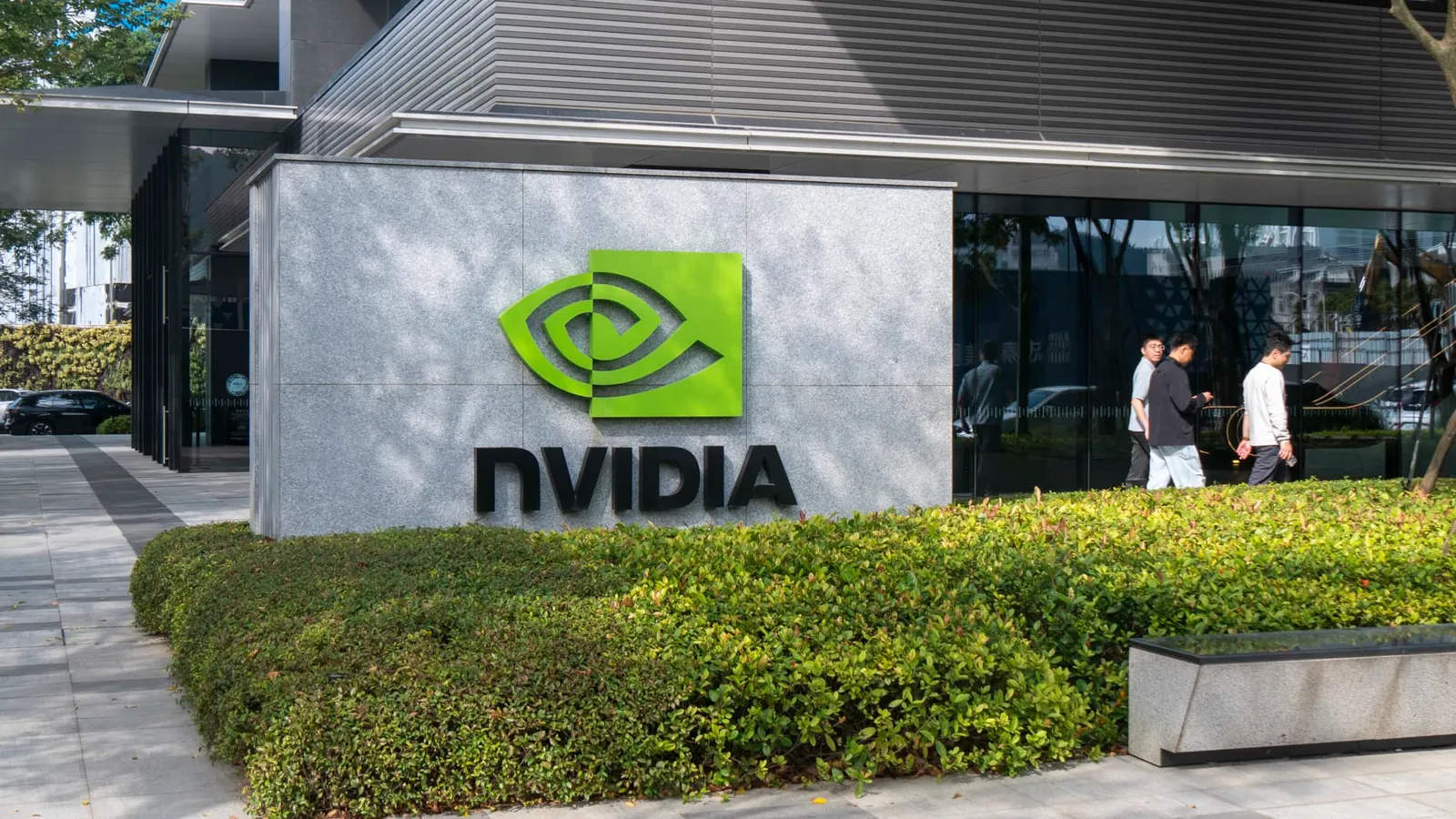
Nvidia shares plunged 14% and closed their longest weekly losing streak since the 2008 financial crisis, dropping the chipmaker to third place behind Apple and Microsoft in market value. For executives and boards, the reversal is a live test of how much of the AI capital-spending boom is already priced into valuations, and how fast that repricing can travel through suppliers, cloud buyers, and index funds.
Nvidia just closed a week it would rather forget. The chipmaker's stock plunged 14% and wrapped up its longest weekly losing streak since the 2008 financial crisis, a run of consecutive down weeks the company had not suffered since the global financial system was unraveling. The same business that not long ago stood as the most valuable company in the world now ranks third, behind Apple and Microsoft.
That is the entire story in one percentage, one historical comparison, and one ranking. Nvidia became the market's most visible bet on artificial intelligence, and for a stretch it was rewarded like nothing else on Wall Street. The reversal matters because it is not happening in a vacuum: it is the loudest signal yet that investors are rethinking how much they are willing to pay for the AI trade's most obvious winner. When the leader of a theme stumbles, the whole theme gets repriced.
Start with what a weekly losing streak actually is. It is not a single bad day; it is persistence. Consecutive down weeks mean sellers keep showing up, buyers keep stepping back, and the momentum that once pulled money in starts pushing it out. The last time Nvidia endured a streak this long, around 2008, the cause was a systemic credit crisis rather than a company-specific story. That comparison is the headline's real punch: this is the longest such stretch since the financial crisis, and it lands on a company that has been the face of the bull market.
Then there is the leaderboard. Market capitalization is simply share price multiplied by shares outstanding, which means the ranking at the top of the market is a moving target. A double-digit percentage decline is enough to knock a company down the list even if nothing about its products, customers, or factories changed that week. Nvidia's slide to third, behind Apple and Microsoft, is a reminder that the most valuable company title is a snapshot, not a verdict. Apple and Microsoft got there on broader, more diversified businesses; Nvidia got there on a single, extraordinarily powerful secular wave.
For anyone with a retirement account, the stakes are more personal than they look. Nvidia's size means it carries heavy weight in the major market indexes, and index funds are how most people own stocks. When a mega-cap leader falls, passive investors feel it whether or not they ever chose the stock. That is the quiet mechanism behind a lot of the anxiety: a company most people never bought directly can still move their portfolio.
The second-order effects run through the entire AI supply chain. Nvidia's chips sit at the center of the data center buildout, and the companies buying them, the hyperscalers and cloud providers, plan capital spending years in advance. A falling share price does not automatically cut that spending, but it does change the conversation in boardrooms. It raises the cost of capital, sharpens scrutiny of returns on AI investments, and gives skeptics a number to point at. Suppliers, memory makers, cooling and power vendors, and the contractors building data centers all read the same tape.
There is also a competitive dimension. Nvidia's dominance invited rivals, customers designing their own silicon, and regulators paying closer attention to concentration in the chip market. A weaker stock does not change any of that overnight, but it can shift the narrative from invincibility to vulnerability, and narratives move budgets.
What to watch next is straightforward. Earnings and guidance will matter more than any single week of price action. So will commentary from the big cloud buyers about how much they intend to spend, and whether demand for AI compute keeps outrunning supply. If the operating numbers hold, a 14% drawdown is a valuation reset. If they crack, it is something else entirely.
The strategic lesson for executives and boards is the one the market keeps teaching: never confuse the stock with the business. Share prices are votes on the future, and votes swing. The companies that survive these stretches are the ones whose fundamentals are independent of the ticker. Nvidia still sells the picks and shovels of the AI gold rush. The question the market is asking now is not whether the gold rush is real, but how much of it was already priced in.
This story's Key Insights and Take-aways are locked.
Create a free account to unlock Executive Actions for one credit.
Register to UnlockAlways free for Executives Club members. Join the Club
More in Business

S&P 500 Enters Correction, Down 10% From Its High on AI Worries
The index's slide past the 10 percent line is a symbolic verdict on investor mood, and the AI trade that powered the rally is now the thing testing it.

Dow and S&P 500 enter correction as Nasdaq logs worst week since 2020
All 11 S&P 500 sectors fell more than 1% in the same week for the first time since April 2025, a breadth signal that matters more than any single index level.

Chip stocks lose $2.3 trillion in a week, worst run in 25 years
A $2.3 trillion weekly wipeout in semiconductors is forcing every board with an AI story to ask whether it owns a thesis or just a crowded trade.