
Nvidia's interim CEO said 'We've got this.' The stock fell nearly 40%.
Colette Kress closed Tuesday's earnings call with a promise and a quarter where revenue more than doubled; by Thursday shares sat near $150, while Nvidia's own customer Anthropic got the premium debut.
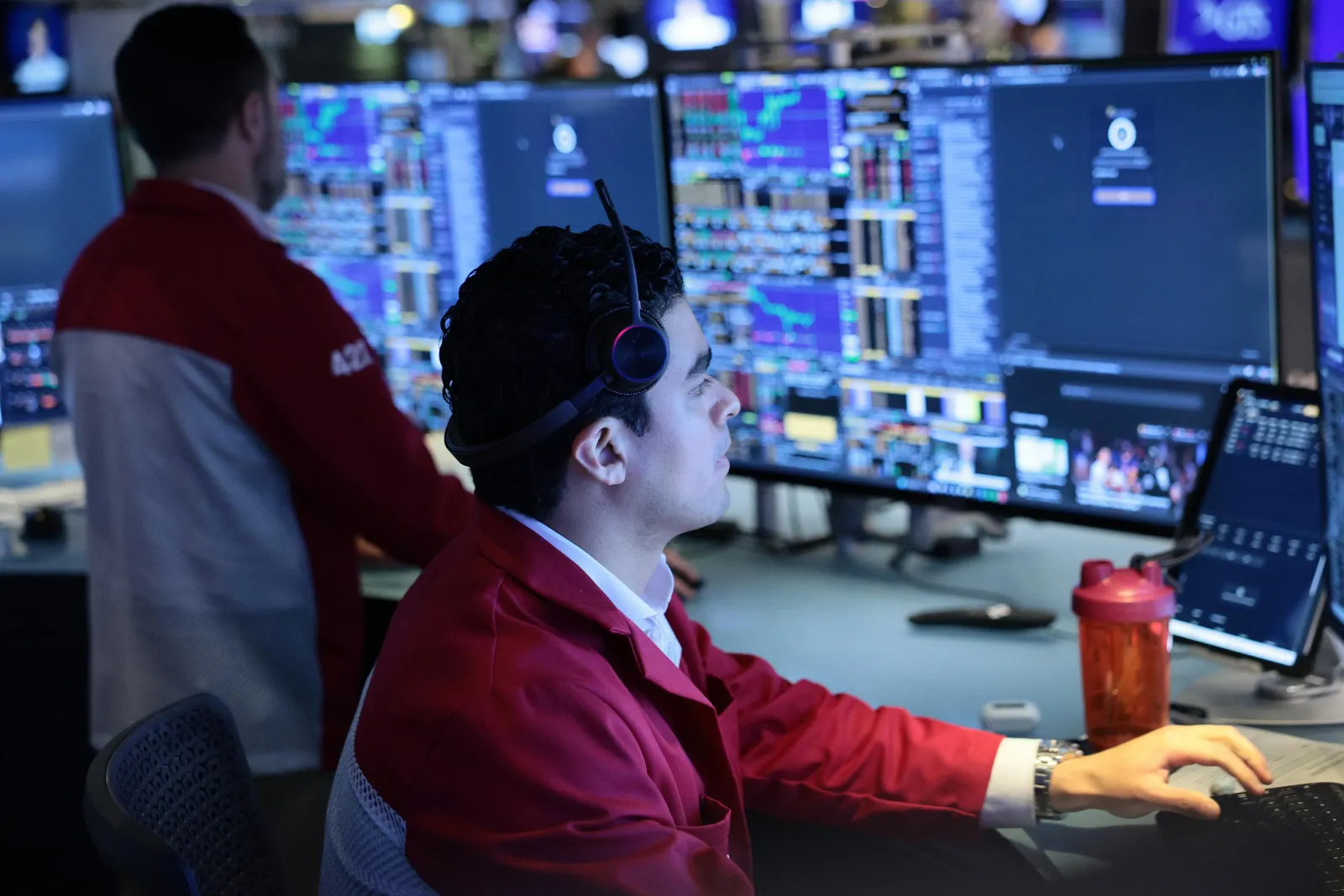
Nvidia interim CEO Colette Kress told investors "We've got this" on Tuesday night's third quarter call, and by Thursday the stock was hovering around $150 a share, a nearly 40 percent drop from its October 6 all-time high that erased the post-earnings pop. For operators and boards, the lesson is that a blockbuster quarter no longer buys a higher multiple, and an interim CEO's guidance gets priced as provisional.
Colette Kress, Nvidia's interim CEO, closed the chip company's third quarter earnings call on Tuesday night with three words: "We've got this." By Thursday, the market had answered. Nvidia shares were hovering around $150, a nearly 40 percent drop from the all-time high the stock set on October 6, and the brief pop that followed her remarks on Tuesday night had been wiped out entirely. Three days, one promise, zero follow-through in the price.
Here is the part that should bother anyone who runs a company. Looking at the earnings report numbers alone, Nvidia had a blockbuster quarter: third quarter revenue more than doubled from the same period a year earlier. So the company delivered the growth and still gave back roughly 40 percent of its value from the peak. That gap, between what a business earns and what the tape pays for it, is the most useful thing an executive can study this week. When expectations get priced like a promise, beating the model stops being the event. Holding the multiple becomes the event, and nobody sends you a memo when the multiple moves.
The same 48 hours produced the opposite verdict one seat over. Wall Street was paying up for one of Nvidia's biggest customers as Anthropic made its Nasdaq debut at $111.50 a share, 34 percent higher than expected. Read that pairing twice. Investors were not walking away from AI demand; they were re-pricing the supplier and bidding up the buyer in the same week. Nvidia sells the picks and shovels, and the market decided the shovel maker had already been paid for every shovel it will ever sell, while the customer still had room to run. That is a statement about valuation math, not about whether the chips work.
Anthropic going public changes Nvidia's information environment whether Nvidia likes it or not. Historically, when a major buyer becomes a listed company, it starts filing quarterly results, risk factors, and capital spending lines that anyone can read. For a supplier, that cuts both ways. On the good side, an independent paper trail can validate an order book that investors have so far taken largely on the supplier's word. On the bad side, those same filings make customer concentration legible, quantified, and impossible to wave away in a slide deck. Nvidia's largest buyers have always been the real engine of its revenue story. Now at least one of them will be publishing its own version of that story on a fixed schedule, and the market will read the two side by side.
Then there is the word in Kress's title. She is interim CEO of a company The Verge describes as embattled, and interim leadership is its own governance condition. The operator holds the chair but not the permanent mandate, and markets typically apply a discount to decisions that a successor can reverse. Every guidance number becomes a negotiation with the next chief executive's agenda rather than a commitment from this one. Boards in that seat usually face a single sequencing question: how quickly to convert "we've got this" into a named, permanent plan with a date attached. Confidence is cheap to say and expensive to price when the calendar behind it is blank.
Run the drawdown math and the second-order effects show up fast. From the October 6 peak to roughly $150, nearly 40 percent of the value was gone in about six weeks. Drawdowns that steep change behavior inside a company: hiring plans get re-scrutinized, buyback conversations restart, and finance chiefs get stingier about guidance risk. Watch the sequence too. Earnings landed, the stock popped, and then it round-tripped inside two days. A pop that fails is the informative part, because it means buyers showed up and got absorbed. That is distribution, not a dip.
What to watch from here is narrow and specific. First, whether $150 holds once the earnings-driven sellers are done, since the October 6 high now functions as the reference point every model uses. Second, whether Anthropic's post-listing disclosures start shaping how investors underwrite Nvidia's order book, which would hand the market a second opinion it has never had. Third, whether the board converts the interim arrangement into something permanent, because a permanent CEO can spend credibility that an interim one has to borrow.
For peers in similar seats, the strategic stakes are unromantic. The quarter that doubles revenue is now table stakes; the multiple is the product. Any operator whose valuation assumes a growth rate that has to be defended every ninety days should assume the defense is the job. Kress said the company has this. The market spent two days asking a different question: for how long, and at what price.
This story's Key Insights and Take-aways are locked.
Create a free account to unlock Executive Actions for one credit.
Register to UnlockAlways free for Executives Club members. Join the Club
More in Business

S&P 500 Enters Correction, Down 10% From Its High on AI Worries
The index's slide past the 10 percent line is a symbolic verdict on investor mood, and the AI trade that powered the rally is now the thing testing it.

Dow and S&P 500 enter correction as Nasdaq logs worst week since 2020
All 11 S&P 500 sectors fell more than 1% in the same week for the first time since April 2025, a breadth signal that matters more than any single index level.

Chip stocks lose $2.3 trillion in a week, worst run in 25 years
A $2.3 trillion weekly wipeout in semiconductors is forcing every board with an AI story to ask whether it owns a thesis or just a crowded trade.