
NYC Settlement Database Breach: Hackers Stole Financial Data of 4,000 Retirees
A poorly secured online database used for court settlement payments exposed sensitive financial records, exposing critical vulnerabilities in public sector tech infrastructure.

Hackers reportedly accessed the financial data of over 4,000 retired New York City government workers this fall through a compromised online database. This breach, created to manage court settlement payments, serves as a stark warning about the systemic cybersecurity risks facing large, complex public sector operations.
The digital infrastructure of massive public entities is proving to be a high-value target for cybercriminals, and the latest incident in New York City is a textbook case of operational failure. Hackers successfully accessed the financial data of more than 4,000 retired government workers this fall. The breach occurred through an online database that was specifically designed and utilized to manage and disburse court settlement fees to these former employees. This is not a theoretical risk; it is a documented failure of digital security within a critical piece of municipal infrastructure.
This specific incident is part of a wider, accelerating trend of cybersecurity breaches that are increasingly targeting government and large institutional databases. The vulnerability exploited here was not necessarily a zero-day exploit, but rather a failure in the foundational security protocols surrounding a specialized, high-stakes operational database. When you are dealing with financial settlement data for thousands of individuals, the security requirements are exponentially higher than those for a standard public-facing website. The fact that this data was accessible suggests that the security architecture surrounding the database was insufficient to withstand modern threat vectors.
For operators and executives, this story is less about the specific nature of the data stolen and more about the systemic risk inherent in managing legacy or highly specialized government technology. These databases, often built to handle specific, complex functions like legal settlements, frequently operate outside the most modern, enterprise-level security frameworks. They become digital islands of risk, running on older code or with outdated security patches, yet they hold incredibly valuable, sensitive information. The financial data of 4,000 retirees is a goldmine for organized crime, providing access to banking details, personal identifiers, and settlement history, which can be leveraged for identity theft or financial fraud.
We must look at this through the lens of operational resilience. A robust cybersecurity posture requires more than just perimeter defense. It demands continuous monitoring, strict access controls, and a clear understanding of the data lifecycle. In this case, the database, designed for a specific function, became a massive liability. The failure suggests a lack of segmentation, insufficient encryption, or perhaps a lack of rigorous penetration testing on a system that was not designed to be a hardened fortress. This is a critical lesson for any organization, public or private, that manages sensitive financial or personal data at scale.
Furthermore, the public concern surrounding this breach is entirely justified. When government entities fail to protect the data of their own citizens, it erodes public trust in the digital services they rely on. This isn't just a technical failure; it's a governance failure. The question that will inevitably be asked is not just how the hackers got in, but why the system was allowed to exist in such a vulnerable state. The response from the city and the subsequent regulatory scrutiny will likely focus on compliance, risk management, and the allocation of resources toward modernizing critical infrastructure.
For the private sector, this case study is a powerful reminder of the risks associated with third-party data handling and vendor management. If a city outsources or utilizes specialized databases for functions like settlement payments, the security of that system becomes a shared responsibility. If the vendor or the internal IT team fails to meet industry standards, the liability falls squarely on the governing body. This incident underscores the need for a comprehensive risk assessment that goes beyond simple compliance checklists and delves into the actual technical resilience of the systems in place.
In short, the breach of the NYC settlement database is a microcosm of a larger, ongoing battle in the digital economy. It highlights the tension between the need for efficient, functional government services and the absolute necessity of state-of-the-art digital security. The financial data of 4,000 retirees is now compromised, but the real story is the exposure of a systemic vulnerability that demands immediate attention from every organization handling sensitive data.
This story's Key Insights and Take-aways are locked.
Create a free account to unlock Executive Actions for one credit.
Register to UnlockAlways free for Executives Club members. Join the Club
More in Politics
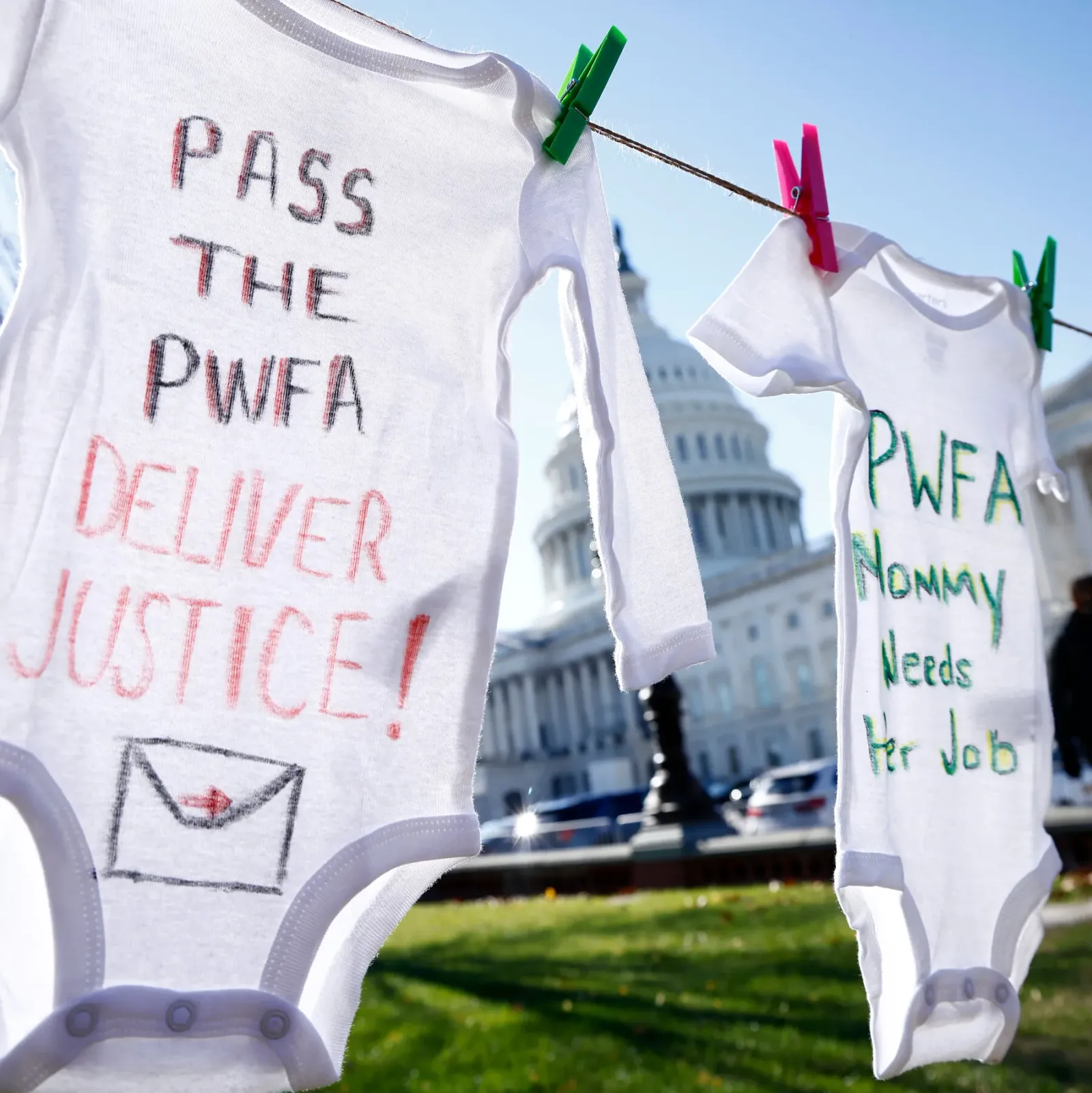
Fifth Circuit Kills Pregnant Workers' Law Over Pandemic Proxy Votes
A procedural ruling, not a policy one, has blocked a federal pregnancy-accommodation law and put every pandemic-era statute in the crosshairs ahead of an expected Supreme Court appeal.

Measles kills a Virginia child under 5, the state's first death of 2026
Virginia's health department confirmed the death but withheld the child's vaccination status, leaving schools, clinics and employers to plan around the one detail that would explain the most.

Former Brazilian President Bolsonaro Hospitalized with Intestinal Obstruction
The health status of the former far-right leader raises immediate questions about political stability and the trajectory of Brazil's conservative movement.