
Officials Find a Cascade of Training Gaps in ICE's 10,000-Officer Surge
A draft report flags widespread training shortfalls as Homeland Security races to hire and deploy 10,000 new ICE officers, raising the question every fast-scaling agency faces: what breaks when speed outruns readiness?
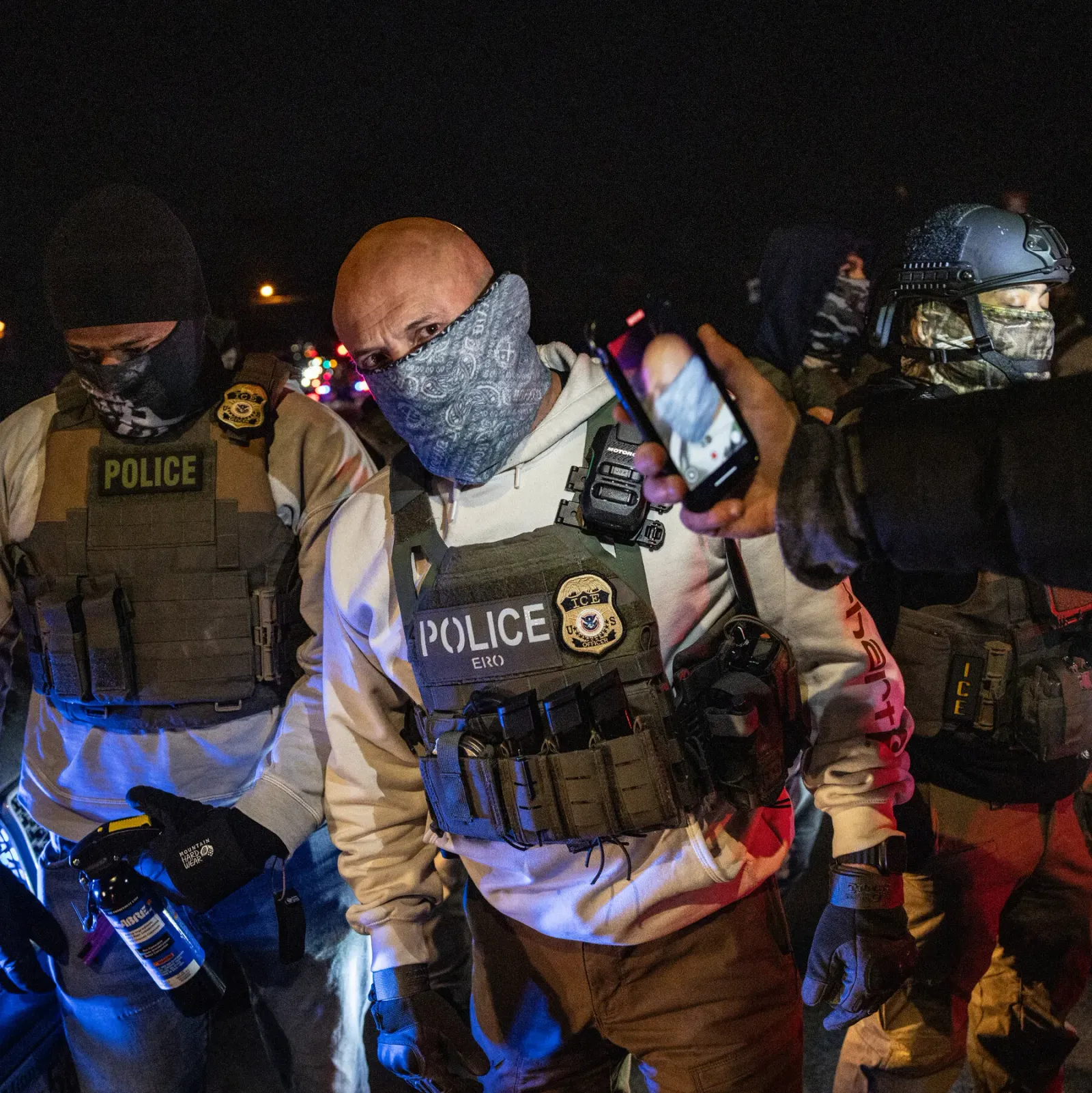
Officials reviewing ICE's training pipeline found a cascade of problems, including widespread training gaps, in a draft report, as the Department of Homeland Security pushes to rapidly hire and deploy 10,000 new officers. For decision-makers, the finding is a live case study in onboarding debt: the gap between how fast an organization can hire and how fast it can make people competent, and who pays when the two diverge.
The draft report lands at the worst possible moment. Officials reviewing ICE's training pipeline found a cascade of problems, including widespread training gaps, just as the Department of Homeland Security pushes to rapidly hire and deploy 10,000 new officers. That is the finding, and it is a draft, so the language can still change before anything is final. But the direction is hard to miss: the machinery built to turn recruits into sworn federal officers is straining under the speed being demanded of it. The distance between how fast you can hire and how fast you can make someone competent is the whole story here.
Start with the number, because 10,000 is not a rounding error. For any agency, adding 10,000 officers means layering a second workforce on top of the first, with all the supervision, equipment, and instruction that implies. ICE was created in 2003, when immigration enforcement was folded into the newly formed Department of Homeland Security after the 9/11 reorganization. Historically, federal officers of this kind move through a structured pipeline: classroom instruction in immigration law and procedure, firearms and defensive tactics, scenario-based training, and supervised field work before they operate with real authority over real people. Every stage takes weeks. None of it compresses for free.
What gives, typically, is depth. Training is sequential by design: you cannot run a scenario before you know the statute, and you cannot work a case before you have run the scenario. When volume spikes, agencies commonly shorten classroom blocks, lean harder on online modules, or push recruits into the field under probationary supervision. Each choice is defensible in isolation. Stacked together, they produce officers who can recite the rule but have never had to apply it under pressure, which is precisely the moment the rule matters most.
That makes this a management problem, not just a moral one. An undertrained workforce generates errors that are expensive and public: improper stops, sloppy paperwork that collapses cases on review, use-of-force incidents, litigation, and the political cost of a single viral video. In immigration enforcement the stakes are unusually high, because a flawed case can mean someone is detained or removed on a record that does not survive scrutiny. That is a due-process problem for the person and an operational problem for the agency, and both land on the same desk.
There is a second-order effect that rarely makes the report: rapid hiring thins the bench. Experienced supervisors get pulled into training roles, or the ratio of trainers to trainees quietly deteriorates. Institutional knowledge is the asset that never appears on a balance sheet and is the first thing to erode when headcount grows faster than the people who mentor it. You can hire 10,000 officers. You cannot hire 10,000 supervisors with a decade of field judgment in the same fiscal year.
Then there is oversight. A draft report is a signal, not a verdict. Drafts get revised, softened, or escalated depending on who reads them and what they can prove. The things to watch are concrete: whether the final version keeps the same findings, whether Congress requests the underlying data, and whether an inspector general opens a review. Also watch the two levers DHS actually controls, the hiring timeline and the training curriculum. If either moves, that tells you how the department is pricing the risk.
Zoom out and the lesson travels well beyond immigration. Every organization that doubles headcount in a hurry takes on onboarding debt. It does not show up in the quarter it is incurred. It shows up later, as rework, attrition, and incidents, and it usually arrives with interest. The fix is rarely to simply hire slower, because the demand is real and the mandate is political. The fix is building training capacity ahead of the hiring surge rather than discovering the bottleneck after the offers are signed.
The strategic stakes are simple to state and hard to execute. For DHS, the risk is that the speed of the crackdown becomes its own constraint, with training gaps converting directly into legal exposure and public credibility costs. For everyone else watching, the reminder is that capacity is not headcount. It is headcount multiplied by readiness, and readiness is the variable that gets quietly discounted whenever the deadline is political. The draft report is the receipt.
This story's Key Insights and Take-aways are locked.
Create a free account to unlock Executive Actions for one credit.
Register to UnlockAlways free for Executives Club members. Join the Club
More in Politics

Fifth Circuit Kills Pregnant Workers' Law Over Pandemic Proxy Votes
A procedural ruling, not a policy one, has blocked a federal pregnancy-accommodation law and put every pandemic-era statute in the crosshairs ahead of an expected Supreme Court appeal.

Measles kills a Virginia child under 5, the state's first death of 2026
Virginia's health department confirmed the death but withheld the child's vaccination status, leaving schools, clinics and employers to plan around the one detail that would explain the most.

Former Brazilian President Bolsonaro Hospitalized with Intestinal Obstruction
The health status of the former far-right leader raises immediate questions about political stability and the trajectory of Brazil's conservative movement.