
Ousted Nvidia CEO Wants Job Back as Abuse Claims and Dec. 1 Hearing Loom
Jensen Huang, who stepped down amid an infidelity and espionage scandal, denied a former HR chief's allegations, but a New York Times report calls the threats 'foundational' to how he ran Nvidia.
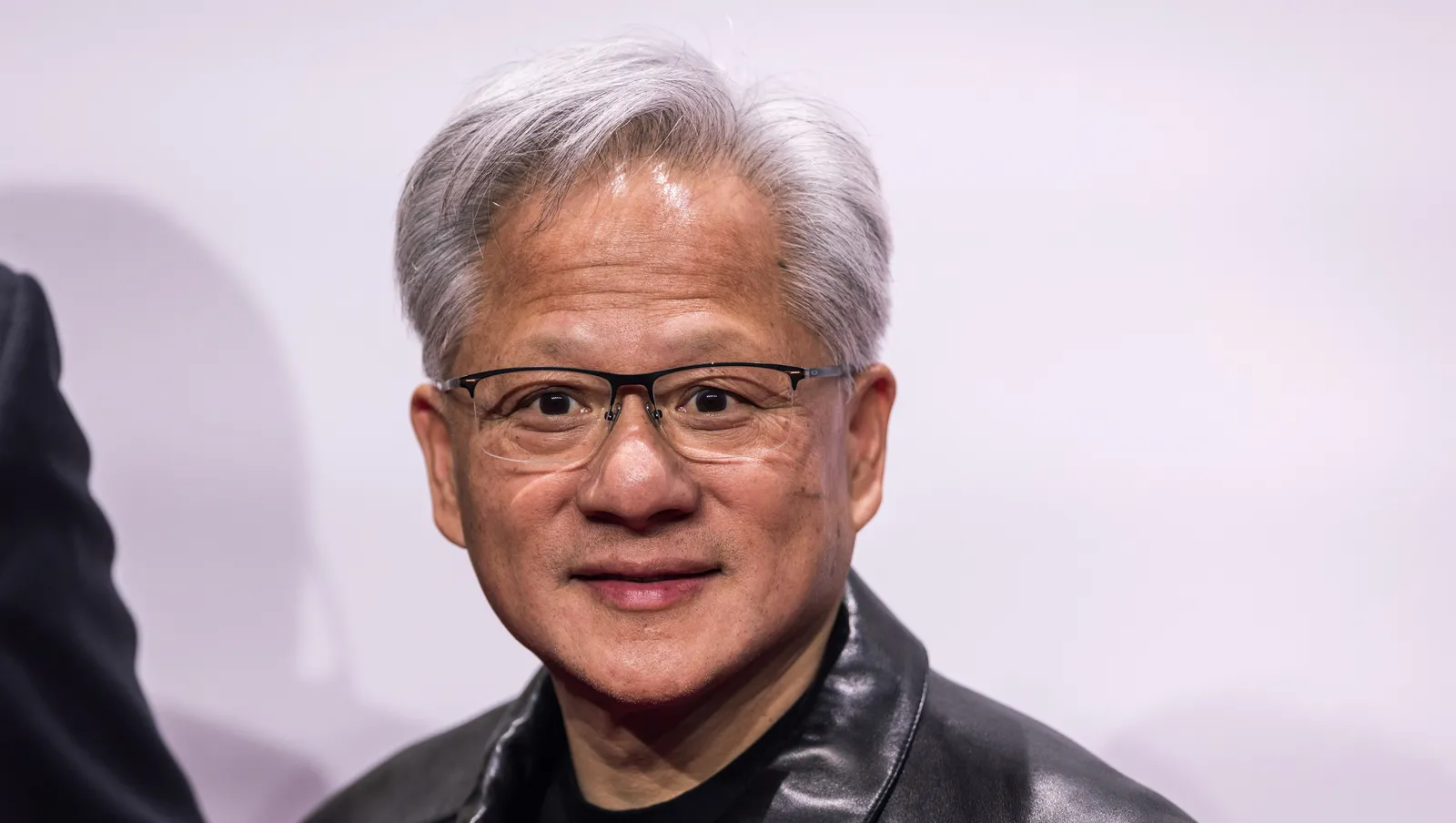
Former Nvidia CEO Jensen Huang, who is publicly seeking reinstatement, denied allegations from former HR executive Michael Winston after That report colliding with Huang's December 1 testimony before three House committees forces Nvidia's board to weigh founder loyalty against documented HR liability and fresh regulatory scrutiny.
Jensen Huang wants his old job back at Nvidia. On December 1, he is due to sit before three House committees to answer for what the company he co-founded did about advanced chips reaching "dangerous PRC actors." And this week, The New York Times reported that for decades, according to people who spoke to the paper, the former CEO ran the place on threats. Huang denied the specific allegations made by one former executive, Michael Winston, in a statement to the Times. Nvidia declined to comment.
The most quotable allegations are the ones that will travel. According to the Times, Huang told one employee he wanted to rip off the top of their head and "pee on [their] brain." In another incident, per the report, he said, "You have to do this, or I will rip your f***ing heart out and stomp on it." Employees also described a moment where he went around a room saying he would kill managers, and another where he allegedly said everyone hoped an employee in their 70s would die soon. The line that may linger longest, though, is the one about his own method: "I'd rather torture you into greatness, because I believe in you."
The paper reported that some employees who complained received settlements, and that HR was aware of his alleged behavior. One settlement went to Michael Winston, a former senior vice president of HR, who described Huang's conduct as "verbally abusive, threatening and intimidating," according to the Times. That settlement reportedly totaled more than $1 million. Huang denied Winston's allegations. Nvidia declined to comment.
The Times described the language as "foundational" to Huang's leadership style, dating back to the 2000s, and reported that he framed verbal humiliation as a "rite of passage" at Nvidia. The paper also described internal attitudes around him as "cultish," with a boss who alternated between praise and ridicule and, in the report's phrase, "ruled through fear."
Which is what makes the comeback bid so awkward. Huang stepped down as CEO amid a scandal involving infidelity and alleged espionage, and earlier this week he said he was ready to return, apologizing for the problems he had caused both Nvidia and his family. He said he would take the job back if the board of directors decided it was in the company's best interest. Some Nvidia employees and other tech CEOs have rallied to his defense and publicly called for his reinstatement, a following that the Times acknowledged exists inside the company.
Washington is on a different clock. Huang is due before the House Foreign Affairs, Intelligence and China Select Committees on December 1. "The American people need answers on Mr. Huang and Nvidia's role in allowing dangerous PRC actors to access our most advanced chips, as well as the role of a potential Chinese intelligence asset in this scandal," Reps. Brian Mast (R-Fla.), John Moolenaar (R-Mich.) and Rick Crawford (R-Ark.), the chairs of those committees, said in a statement reported by CNBC. For context, top-end AI chips have sat at the center of US export-control policy toward China for years, and the committees that write those rules typically treat any leak of advanced silicon as a national-security matter rather than a trade dispute. A founder answering questions about his temper and his export compliance in the same session is not a routine hearing.
For Nvidia's board, the two stories collide. Reinstating a co-founder is the classic Silicon Valley move when a company stumbles, because founders historically carry product instinct and employee loyalty that hired managers rarely match. But directors also have to weigh what shows up in discovery. The Times reports that HR knew about the alleged behavior and that at least one complaint ended in a seven-figure settlement. If a director signs off on a return, that paper trail becomes the company's problem again, this time with a congressional audience and a live news cycle attached to it.
The wider lesson is about what gets tolerated while a company is winning. Nvidia sits at the center of the AI boom, and the same executives who built that position are now the ones whose management style is being read into the record. Settlements and NDAs have historically kept these fights private; a Times investigation plus a subpoena-shaped December does the opposite. For every founder-CEO with a reputation for bluntness, the takeaway is unglamorous: the behavior you call a rite of passage is the behavior that ends up in a committee room, quoted back at you, with your board's name attached.
This story's Key Insights and Take-aways are locked.
Create a free account to unlock Executive Actions for one credit.
Register to UnlockAlways free for Executives Club members. Join the Club
More in Business

S&P 500 Enters Correction, Down 10% From Its High on AI Worries
The index's slide past the 10 percent line is a symbolic verdict on investor mood, and the AI trade that powered the rally is now the thing testing it.

Dow and S&P 500 enter correction as Nasdaq logs worst week since 2020
All 11 S&P 500 sectors fell more than 1% in the same week for the first time since April 2025, a breadth signal that matters more than any single index level.

Chip stocks lose $2.3 trillion in a week, worst run in 25 years
A $2.3 trillion weekly wipeout in semiconductors is forcing every board with an AI story to ask whether it owns a thesis or just a crowded trade.