
Pro-Brexit campaign blindsides Westminster as 71% of voters want closer EU ties
A launch video full of French riots and Brussels champagne took Westminster by surprise, but No 10 is betting Burnham can make the opposite case to the 71% who want closer EU ties.
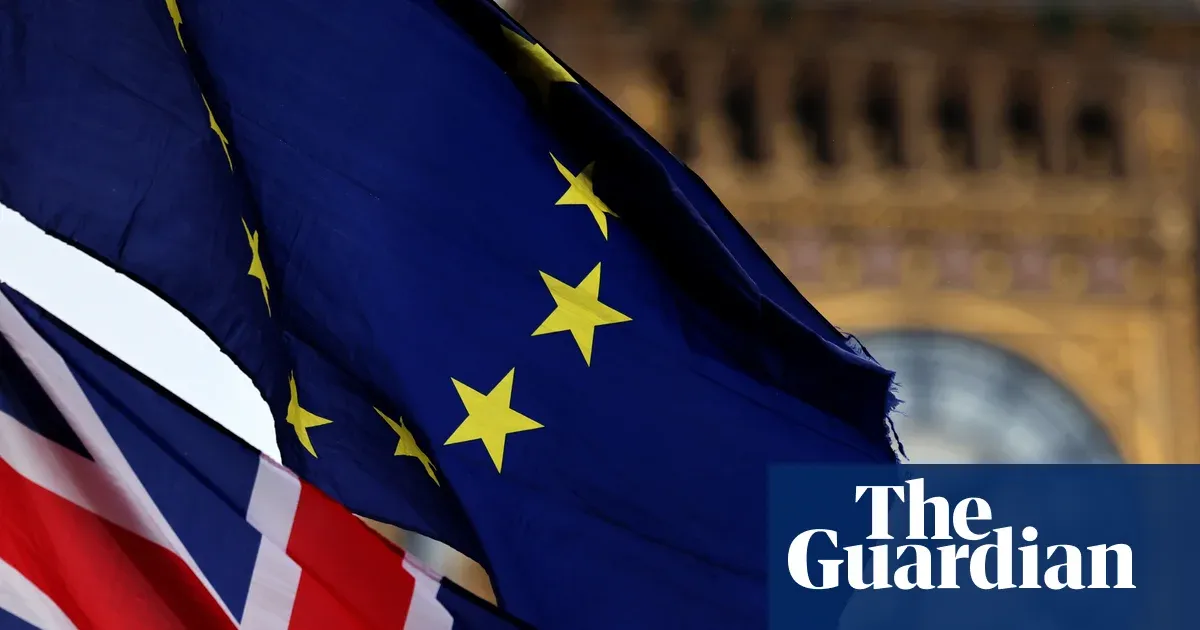
A new pro-Brexit campaign launched on X over the weekend, the rare genuine surprise in Westminster this week, using images of riots in France and champagne in Brussels to argue Europe is desperate for Britain's cash. No 10 is confident Burnham can make the case for closer EU ties, with polling showing support from 71% of voters, a mismatch that will shape how boards price UK-EU regulatory risk.
Westminster does not do genuine surprises often, but it got one this week: a new pro-Brexit campaign launched on X over the weekend and caught the lobby off guard. The video is not subtle. It strings together scenes of riots in France, champagne flowing in Brussels and European politicians saying how desperate they were for Britain's cash. The message is blunt: the continent wants your money, and the people who run it are chaotic. Within hours it was the thing everyone in SW1 was talking about, not because the argument was new, but because someone had bothered to make it at all.
What makes the launch genuinely interesting is the arithmetic sitting on the other side of it. No 10 is confident that Burnham can make the case for closer EU ties, and the polling it is working from shows support from 71% of voters. That is the collision at the heart of this story: a campaign fighting to reopen a question the public has, on that number, largely moved past. Downing Street's confidence in Burnham is not a small tell. It signals that the government's direction of travel runs toward Brussels, not away from it, which is precisely why a pro-Brexit campaign has suddenly appeared in the middle of it.
The familiarity is the point. Every beat of the video is borrowed from 2016: the continent in chaos, the bureaucrats with their hands out, the implication that Britain is the prize everyone else is circling. In 2016 that worked because the economic case for staying was abstract and the cultural case for leaving was vivid. Years on, the same playbook is being run in reverse, by a side that no longer owns the vivid imagery. Britain's recent political history has been dominated by the question of what Brexit did to trade, to investment and to the cost of doing business across the Channel, and those are concrete, daily, unglamorous facts that a montage cannot argue away.
So why now? Because the machinery of UK-EU relations is grinding forward again. The trade agreement between Britain and the EU carries a review clause, and the run-up to any formal negotiation is exactly when lobbying noise matters most. Launching a campaign is cheap. Shaping the terms of reference for a review is not. The people behind this video are not trying to win a referendum tomorrow. They are trying to make closer alignment look politically expensive for anyone in No 10 who signs off on it, and to give backbenchers a flag to rally around. That is standard Westminster pressure politics, and it is why the launch landed as a surprise even though nothing in it was new.
The economics underneath are where this stops being a Westminster parlour game. Brexit typically means customs paperwork, rules-of-origin checks and duplicated regulatory approvals for UK firms selling into the EU, their single largest export market. For smaller exporters, that friction is often the difference between bothering and not bothering. A government leaning toward closer ties is, in practice, shopping for ways to cut that friction without reopening the membership question: mutual recognition of standards, easier movement for professionals, smoother access for food and agricultural goods. Each of those is technically modest and politically explosive, which is why a 71% polling number settles nothing on its own.
For boards and investors, the practical read is that UK-EU regulatory risk just became noisier without becoming clearer. Companies with cross-Channel supply chains, professional services firms with EU clients, and anyone holding UK assets on a bet about alignment should assume the political temperature around Brussels rises before it falls. The standard corporate answer, building compliance capacity that works under either scenario, still holds. What changes is the weighting: a louder pro-Brexit campaign makes it easier for ministers to slow-walk alignment, and slower alignment means friction costs persist longer than the growth case would like.
The tell to watch is not the video. It is the response to it. If No 10 treats the launch as noise and keeps Burnham front and centre on the case for closer ties, the 71% wins by default. If ministers start hedging, softening language and delaying announcements, the campaign has done its job without changing a single vote. That is how these things usually work: not by winning the public, but by making the people in charge flinch. Westminster got its surprise this week. The question is whether it changes a decision or merely a headline.
This story's Key Insights and Take-aways are locked.
Create a free account to unlock Executive Actions for one credit.
Register to UnlockAlways free for Executives Club members. Join the Club
More in Politics

Fifth Circuit Kills Pregnant Workers' Law Over Pandemic Proxy Votes
A procedural ruling, not a policy one, has blocked a federal pregnancy-accommodation law and put every pandemic-era statute in the crosshairs ahead of an expected Supreme Court appeal.

Measles kills a Virginia child under 5, the state's first death of 2026
Virginia's health department confirmed the death but withheld the child's vaccination status, leaving schools, clinics and employers to plan around the one detail that would explain the most.

Former Brazilian President Bolsonaro Hospitalized with Intestinal Obstruction
The health status of the former far-right leader raises immediate questions about political stability and the trajectory of Brazil's conservative movement.