

Raquel Urtasun bets on Gen Z for Waabi as AI anxiety reshapes hiring
Waabi’s CEO says fear is paralyzing, and the fix is hiring for adaptability over decades of experience in AI-first teams.
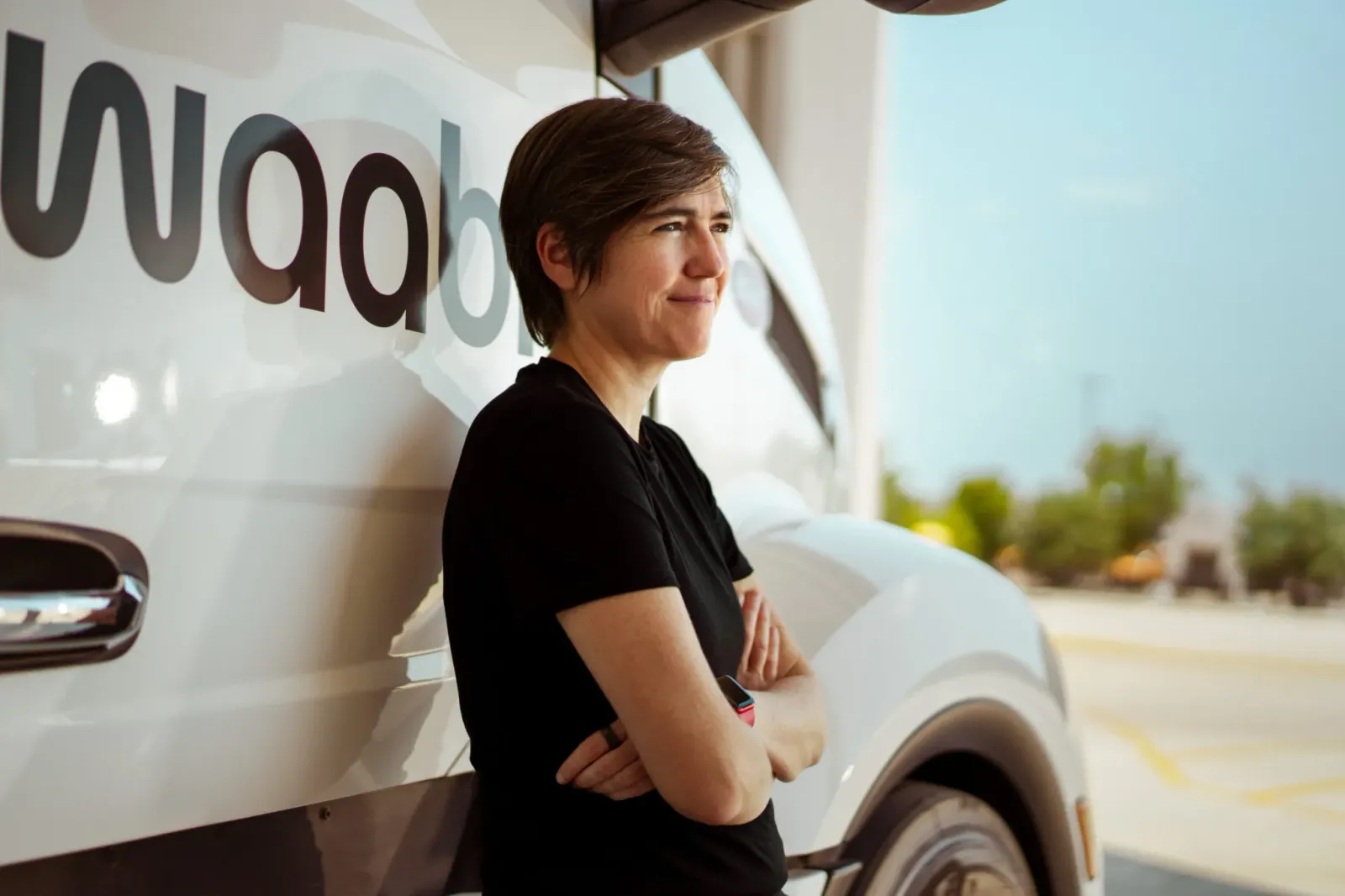
Raquel Urtasun, founder and CEO of autonomous trucking unicorn Waabi, tells Fortune she’s seeing fear about AI’s impact on jobs, but wants to turn it into an opportunity through AI-first hiring. The shift matters for decision-makers building teams and timelines in self-driving trucking, where expectations and execution have both stayed harder than promised.
Raquel Urtasun is putting her faith in Gen Z, even as the industry wrestles with what AI will do to work. The founder and CEO of Waabi, an autonomous trucking startup, told Fortune that “Fear can paralyze your ability to embrace that change,” and she doesn’t just mean the technology side. She argues the hiring side needs to move too, because AI-first systems will reward teams that can relearn faster than the world can change.
That philosophy is not theoretical. Waabi, which launched in 2021, has raised more than $1 billion as it develops technology once considered science fiction, including a recent Series C round co-led by Khosla Ventures. The company is also partnering with Volvo, and its autonomous trucks are already testing road operations, giving a concrete look at how “driverless” might arrive faster than many once expected. In that environment, Urtasun’s bet on younger talent is a strategic response to a practical problem: building in a field where timelines keep stretching and assumptions keep breaking.
To understand why Urtasun trusts younger workers, you have to start with her background. The 50-year-old began her career in academia, working alongside Geoffrey Hinton, the “Godfather of AI,” before building out Uber’s self-driving technology division. She later became a professor at the University of Toronto, and she earned her Ph.D. in computer science from EPFL in Switzerland in 2006, with postdoctoral work at Massachusetts Institute of Technology and University of California, Berkeley. Her academic arc shaped a specific view of what matters in people: learning how to learn, not just mastering one speciality.
That is also why she’s skeptical of hiring purely for conventional experience. Instead of seeking candidates with decades of industry experience, she looks for something harder to teach: raw adaptability, plus a willingness to rethink assumptions from scratch. “As a professor, you rely on really raw young talent,” she said. In her telling, young talent hasn’t yet calcified into conventional thinking, so teams can iterate faster when the problem is complex and the goal keeps evolving. At Waabi, she sums up the difference in plain terms: “AI-first-that's the talent that is really making the transformation,” and it’s “not the talent that has been, 20 years doing software engineering.” In other words, she’s treating hiring like a systems design problem. If the product is learning in the real world, the team should be built to learn too.
This is happening while the autonomous driving industry navigates a reality gap that investors and regulators have both felt. Waymo, a subsidiary of Google, is the biggest operator of fully autonomous vehicles, but after some two decades, it operates in just 11 U.S. cities and still faces uphill battles in existing locations and hopeful expansions. Meanwhile, a survey from consulting firm McKinsey earlier this year found expectations for fully autonomous passenger vehicles and long-haul trucking have continued to slip, with timelines now stretching closer to the end of the decade. For executives, that matters because it changes how you measure progress. When timelines drift, “what you can prove” and “what you can deploy safely” becomes the currency, not just patents, demos, or ambition.
Urtasun’s answer to that gap is grit, but with an AI and safety-first framing. She described entering the space as something not everybody believed at the beginning, and she argued that the industry needed to be rebuilt around both AI and safety. She also emphasized resilience as a founder, including “infinite grit,” and she said, “Not everybody is going to believe you at the beginning. But you can prove them wrong.” The second-order implication here is obvious for boards: faith is not a strategy, but evidence can be built if teams are structured to keep improving under uncertainty.
Her playbook also has a leadership layer borrowed from Uber, where she “learned to be an executive” while working under CEO Dara Khosrowshahi. According to Urtasun, Khosrowshahi’s key advice was that leaders signal more than strategy during uncertainty. People absorb how executives react in moments of uncertainty, including setbacks or “big fires.” She said he told her to “Lead with positivity,” explaining that every gesture and everything people see from leadership matters because people pay attention. In an industry like autonomous trucking, where setbacks can be technical, operational, and regulatory, that kind of leadership consistency can help teams stay focused when the world is telling them to wait.
That brings us back to Gen Z, and why Urtasun thinks now is not the time to shrink. She points out that today’s graduates are entering the workforce with tools previous generations never had, and she says it would be a mistake not to take advantage of the opportunity. “If I'm somebody graduating now,” she said. “I [would] be so excited.” The real stakes for other executives are the timelines: self-driving is not just a tech challenge, it’s a deployment challenge. And the deployment challenge demands a workforce that can adapt faster than both competitors and regulators can set expectations.
This story's Key Insights and Take-aways are locked.
Create a free account to unlock Executive Actions for one credit.
Register to UnlockAlways free for Executives Club members. Join the Club
More in Technology

Nvidia's $89B data center quarter: the 9 companies cashing in
The AI buildout is minting fortunes beyond GPUs, and memory, cloud, and cooling suppliers are riding the same wave.
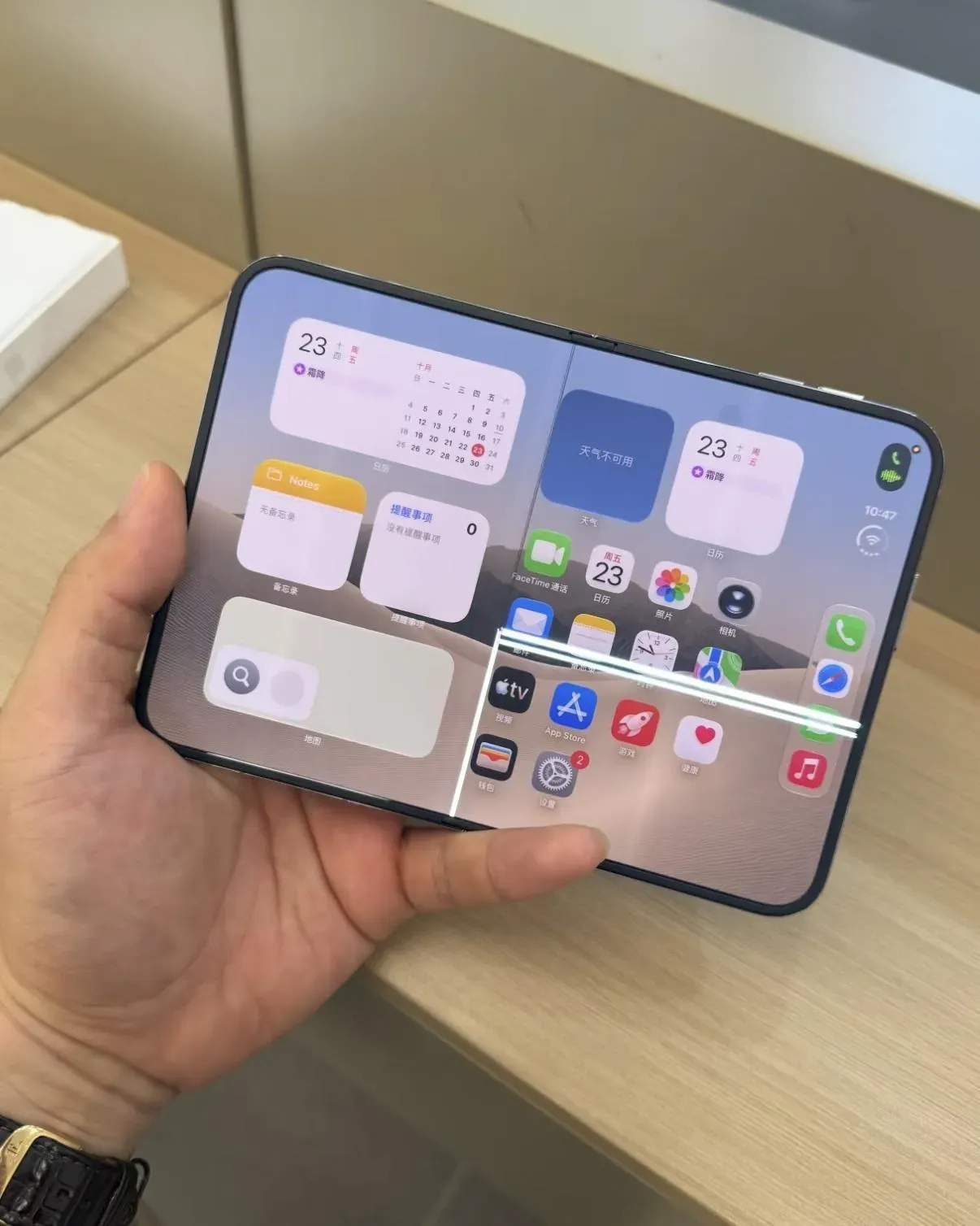
A YouTuber dissected the iPhone Duo and thinks he found crackgate's cause
CuriousHagi's teardown of Apple's foldable reveals a gear-like hinge that may explain why screens crack in the same spot within hours.

Google quietly links your phone number to every Android account on your SIM
Adding a SIM now ties your phone number to all Google accounts - and future accounts inherit it. Here's the security and privacy stakes.