
Republican senator: shut Social Security down. Its trust funds run dry in six years.
One senator's call to kill the New Deal program collides with a hard deadline, and the fix Congress has dodged for decades now has a six-year clock on it.
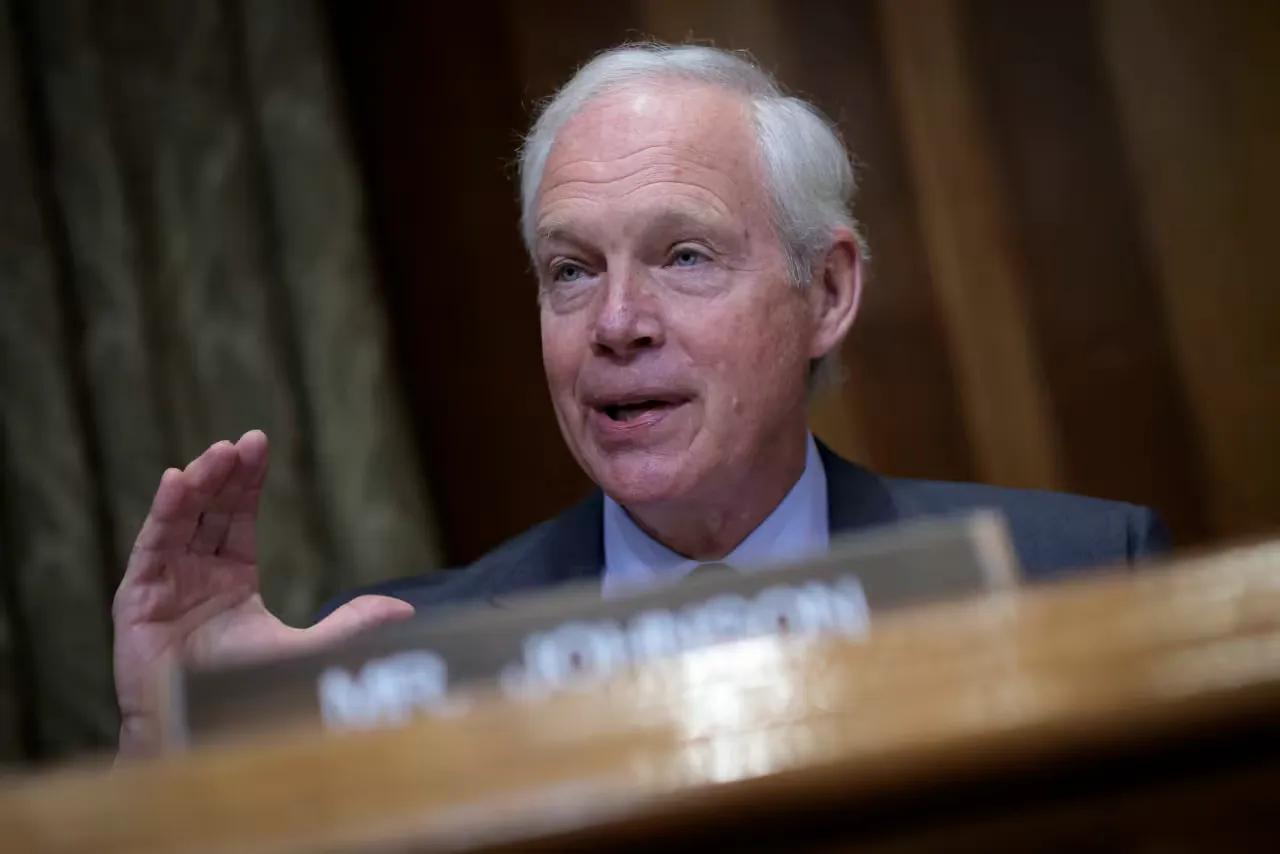
A Republican senator is calling for Social Security to be shut down, according to a MarketWatch report, as the program's trust funds are expected to run out of money in the next six years. For executives and boards, that deadline turns entitlement risk into a live planning variable for pension obligations, labor costs, and retirement timing.
A Republican senator wants Social Security shut down, according to a MarketWatch report, and the part that turns a provocation into a genuine story is the deadline sitting underneath it: the program's trust funds are expected to run out of money in the next six years. The report did not name the senator. That absence matters, because in Washington the loudest positions on entitlements are usually the ones with no bill attached, no committee markup scheduled, and no vote on the calendar.
So treat this as a signal rather than legislation. What the senator is doing is testing how far the Overton window has moved on the third rail of American politics. For decades, the safe political move was to promise to protect Social Security and change nothing. The six-year projection makes that position harder to hold, because doing nothing is now a decision with a visible price tag attached.
Start with how the machine actually works, because the mechanics explain why "shut it down" is a fringe answer to a mainstream problem. Social Security is a pay-as-you-go insurance program, not a personal investment account. Today's workers pay a 12.4% payroll tax, split evenly between employee and employer, and that money flows out the door to today's retirees, disabled workers, and surviving family members. Tens of millions of Americans receive a monthly check. Any surplus is parked in two trust funds, the Old-Age and Survivors Insurance fund and the Disability Insurance fund, and invested in special-issue Treasury securities. Those funds are the buffer, and the buffer is what is running down.
Here is the part most people get wrong. Depletion is not the same as the program going to zero. If the trust funds empty out, Social Security does not vanish; under current law it would automatically pay only what ongoing payroll taxes can cover, which trustees have historically projected to be the large majority of scheduled benefits but not all of them. That is a benefit cut delivered by arithmetic rather than by Congress, and it would land hardest on people with the least ability to absorb it, since Social Security typically replaces a bigger share of income for lower earners than for high earners.
That asymmetry is exactly why the issue has been politically radioactive for a generation. Seniors vote at high rates. Advocacy groups such as AARP have historically mobilized millions of members against anything framed as a cut. And the two parties have spent years attacking each other's preferred fixes without ever assembling a coalition behind one. Republicans have historically floated raising the retirement age or slowing the growth of benefits; Democrats have historically pushed to lift or eliminate the cap on wages subject to the payroll tax. Both approaches poll well in the abstract and badly once the details get attached.
Which brings the story back to the senator's actual move. Calling for shutdown is not a negotiating position; it is a boundary marker. It reframes the debate so that "reform" sounds moderate by comparison, and it gives the senator a clean answer to any primary challenger: I said the quiet part out loud. Whether that works depends on whether voters reward candor about the math or punish anyone who touches the check.
For executives and boards, the practical read is that entitlement risk is now a planning variable, not a background assumption. A six-year window is inside the horizon of most long-dated corporate liabilities. Companies with defined benefit pension obligations, unionized workforces, or large concentrations of near-retirement employees should be modeling a world where the benefit formula changes, the retirement age moves, or the payroll tax base widens. Each of those outcomes hits labor costs, retirement timing, and workforce planning differently.
There is a market angle too. The trust funds hold special-issue Treasuries, and any reform that changes the program's cash flows eventually touches the broader question of how much government debt the market has to absorb. That is a slow-moving story, not a tomorrow story, but it is the kind of slow-moving story that reprices quickly once a credible legislative vehicle appears.
The thing to watch is not the senator's sound bite. It is whether anyone with jurisdiction, meaning the committees that actually write tax and entitlement law, starts attaching numbers to proposals. A named bill with a score from the Congressional Budget Office is the moment this stops being a headline and starts being a risk factor. Until then, the six-year clock keeps ticking, and the only thing Washington has reliably produced on Social Security is a promise to deal with it later.
This story's Key Insights and Take-aways are locked.
Create a free account to unlock Executive Actions for one credit.
Register to UnlockAlways free for Executives Club members. Join the Club
More in Politics
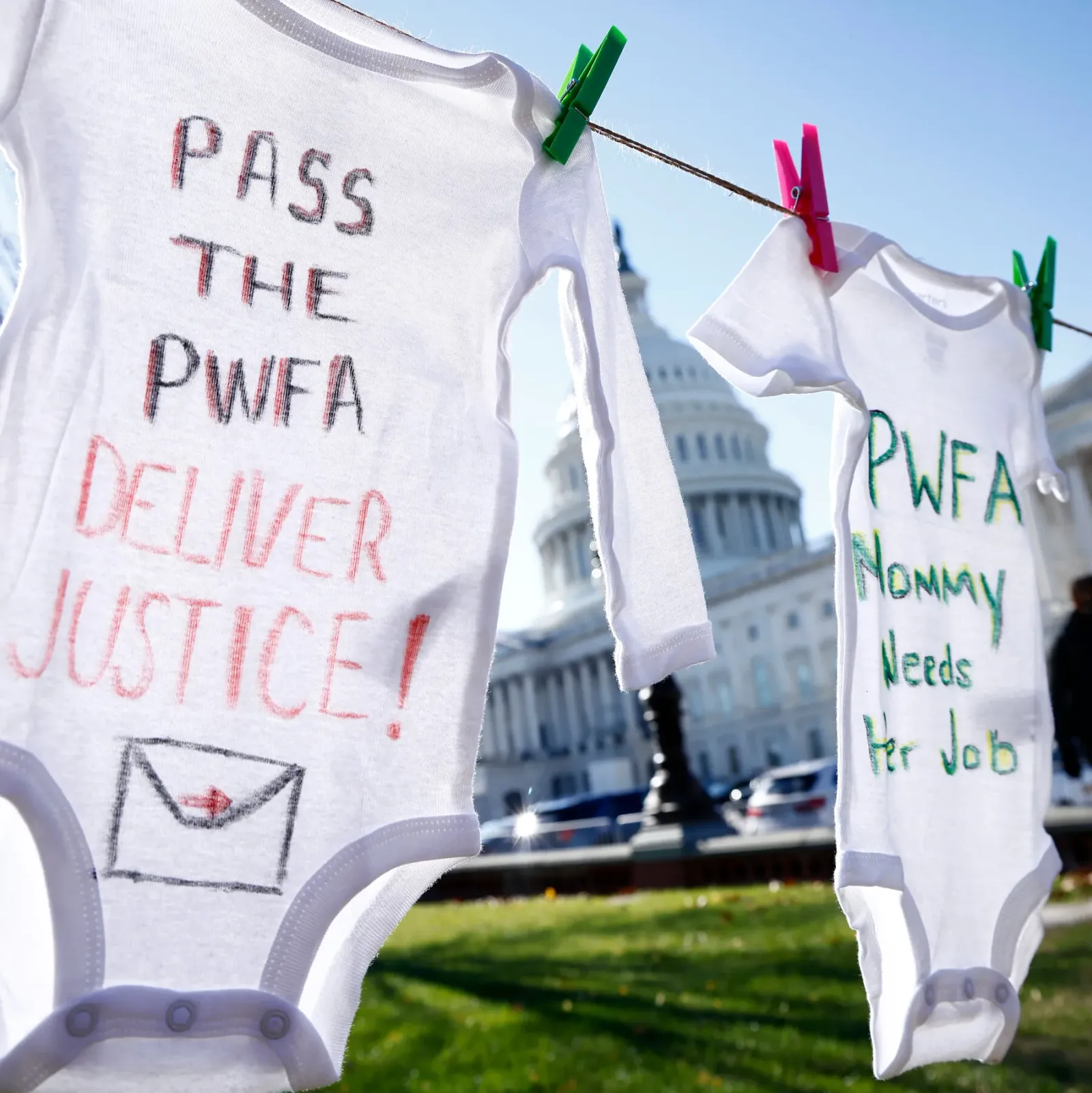
Fifth Circuit Kills Pregnant Workers' Law Over Pandemic Proxy Votes
A procedural ruling, not a policy one, has blocked a federal pregnancy-accommodation law and put every pandemic-era statute in the crosshairs ahead of an expected Supreme Court appeal.

Measles kills a Virginia child under 5, the state's first death of 2026
Virginia's health department confirmed the death but withheld the child's vaccination status, leaving schools, clinics and employers to plan around the one detail that would explain the most.

Former Brazilian President Bolsonaro Hospitalized with Intestinal Obstruction
The health status of the former far-right leader raises immediate questions about political stability and the trajectory of Brazil's conservative movement.