
Resident Evil Hits 30 as Capcom Bundles Remakes for Switch 2 in 2027
One 2027 collection with all DLC turns a 30-year, 60-plus-release catalog into a single Switch 2 purchase, and it is a blueprint rival publishers can copy.
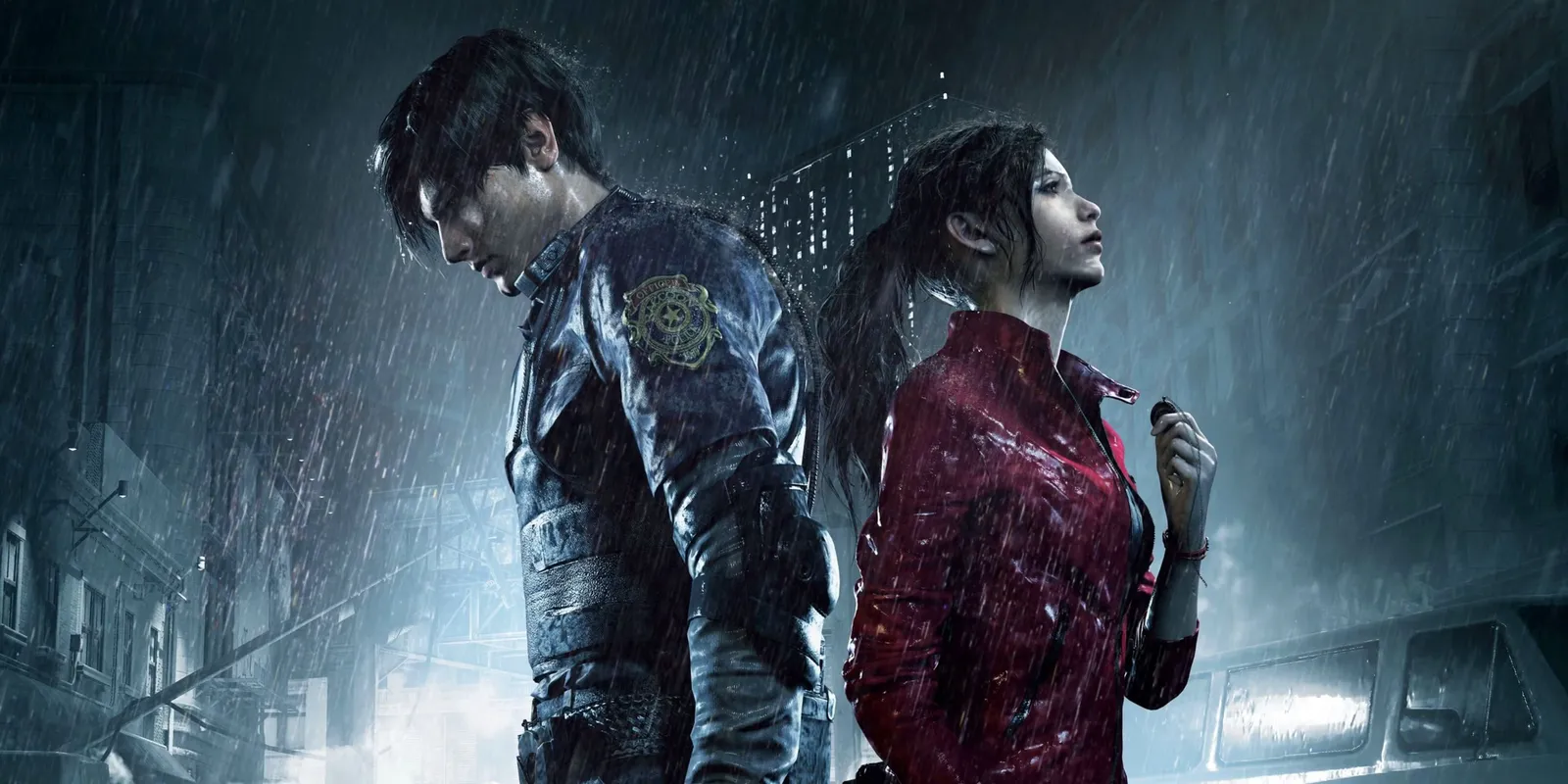
Capcom has announced a Resident Evil remake collection for Nintendo Switch 2 arriving in 2027 with all DLC included, timed to the franchise's 30th anniversary year following its March 1996 debut. For decision-makers, it is a working template for monetizing a deep back catalog on new hardware: bundle everything, price once, and let the anniversary carry the marketing.
Capcom is bundling its Resident Evil remakes into one collection for Nintendo Switch 2, arriving in 2027, with all DLC included. That is the announcement, and the timing is not accidental: the franchise first launched in March 1996, so this is its 30th anniversary year. The scale behind the celebration is the part worth sitting with. Resident Evil now spans twelve mainline titles and more than sixty total releases across mobile, spin-offs and remakes. A publisher does not package a catalog that size by accident, and a 2027 bundle turns three decades of horror into a single line item on a store page.
The detail carrying the real signal is "all DLC." Remakes and re-releases have typically been sold as entry points, with add-on content, extra modes, costumes and story expansions sold separately afterward. Folding that content into one purchase changes two things at once: the buyer's math and Capcom's revenue mix. Rather than chasing attach rates on a la carte downloads over several years, Capcom converts the back catalog into one higher-priced, higher-perceived-value box. For a publisher, that trade is about certainty. One clean SKU is easier to market, easier to explain to a retail and platform partner, and easier to put in front of a player who has never touched the series.
The platform matters as much as the package. Putting the collection on Nintendo Switch 2 places it in front of an audience that, historically, buys software differently from PC and PlayStation owners: more portable play, more living-room discovery, more gift purchases. Nintendo hardware has hosted Resident Evil releases in some form before, and a remake collection hands a new console a recognizable, mature-rated anchor for players who grew up with the series and now have their own money to spend. For Nintendo, that is catalog depth without having to fund the development itself. For Capcom, it is a second or third sales life for code that has already paid for itself.
For context on why publishers lean this hard on nostalgia: an anniversary is a marketing asset that costs nothing to invoke. Capcom does not have to build an audience from zero; it has to resell a known one. Twelve mainline titles and more than sixty releases across mobile, spin-offs and remakes mean there is a deep bench to draw from. Remakes are typically the cheapest way to make old code feel new, arriving with a built-in audience, a built-in review floor and a built-in marketing hook. That is why anniversary collections have become a fixture of the games calendar rather than a novelty.
What the announcement does not yet answer is where the real diligence sits. Which remakes are actually in the collection? Does "all DLC" mean every piece of add-on content ever released, or a curated subset? What does it cost? When in 2027 does it ship, and is it digital-only or does it get a physical run? Those gaps are normal at announcement stage. They are also the difference between a genuine value bundle and a repackaging exercise with a marketing budget. The word "collection" implies a bundle rather than a single title, which is the more interesting and more ambitious bet.
Zoom out and the second-order effects write themselves. For Nintendo, a mature-rated, instantly recognizable catalog title gives Switch 2 one more reason to sit in a household. For rival publishers sitting on deep back catalogs, this is a template: anniversary year, plus new platform, plus DLC-included bundle, equals a low-risk release with a high-margin profile. For Capcom, it extends the commercial life of an intellectual property that has already been remade and re-released multiple times, generating revenue without greenlighting a new mainline entry and without absorbing the cost and risk that comes with one.
The strategic lesson for anyone running a content business is that catalog is the cheapest growth in the room. New production is expensive, slow and uncertain. Repackaging what already exists is fast, cheap and predictable, and an anniversary gives you permission to charge for it again. Capcom is not only celebrating 30 years of Resident Evil. It is monetizing them, on a console that needs software, in a year that sells itself. The question for peers is not whether to copy the play, but whether their own catalog is deep enough to justify it.
This story's Key Insights and Take-aways are locked.
Create a free account to unlock Executive Actions for one credit.
Register to UnlockAlways free for Executives Club members. Join the Club
More in Entertainment

GTA 6 banks $3.8bn in one day, torching every launch record
One game just out-earned every video game launch and every single-day film box office haul in history, and the fallout lands on every media CEO's forecast.

GTA VI Racked Up $3.79 Billion in a Single Day, Topping Every Film Ever
A 13-year wait produced a $3.79 billion day, more than any movie has made in its entire run, and it resets the launch math for every studio, streamer, and brand chasing the same attention.

GTA 6 sells 32.5M pre-sales and $3.79B day one, torches 13-year record
Rockstar's sequel didn't just beat Grand Theft Auto V's 13-year-old benchmark; it reset what a launch can be, with 32.5 million pre-sale copies and $3.79 billion in a single day.