

Robert Pattinson Lands 007 as Amazon MGM Ends Months of Bond Speculation
The Batman and Odyssey star inherits Daniel Craig's five-film mantle, and the pick signals how Amazon MGM plans to turn a legacy library into a theatrical franchise.
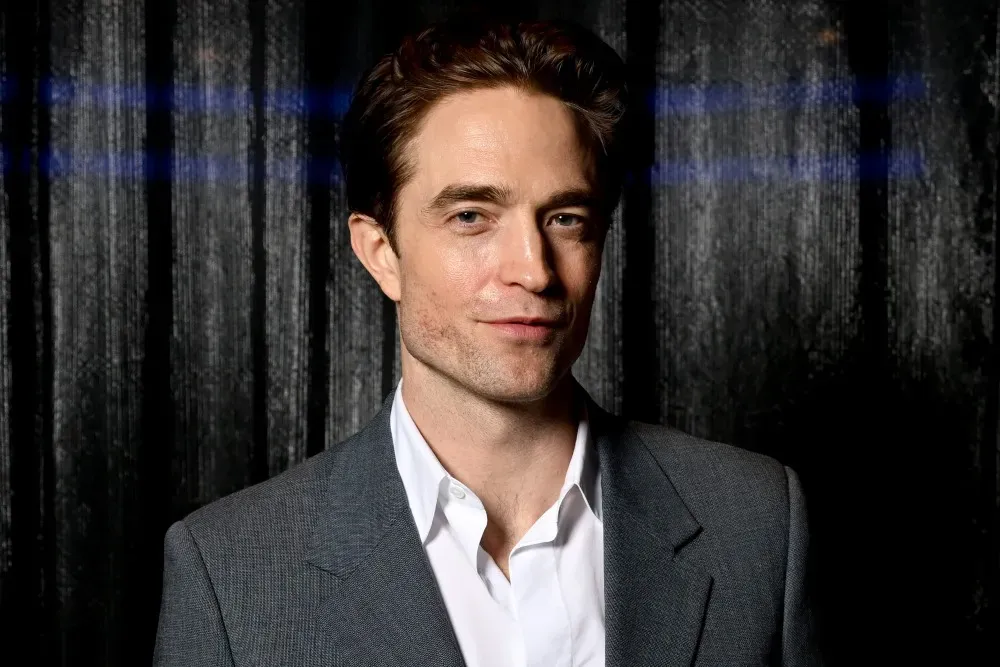
Amazon MGM has officially cast Robert Pattinson, the Batman and Odyssey star, as the next James Bond, ending months of speculation over who would inherit the 007 role from Daniel Craig's five-movie run. For media executives, the decision is a case study in sequencing: the studio anchored its most valuable franchise on a recognizable face before naming a director, a writer, or a release date.
It is Pattinson. Robert Pattinson. Amazon MGM has officially cast the Batman and Odyssey star as the next James Bond, ending months of rabid speculation about which young actor would inherit the keys to the Aston Martin. He takes the 007 mantle from Daniel Craig, whose five-movie run as the womanizing super spy redefined the franchise for a modern era. The studio has not disclosed deal terms, film count, or a release date, which means the loudest question in Hollywood right now has an answer and a fresh set of blanks.
The signal matters more than the signature. Pattinson is not an unknown plucked from theater; he is a proven franchise lead who already carries one of the most valuable capes in comics. Handing him Bond tells you Amazon MGM wants a known quantity with art-house credibility, someone who can open a tentpole and still survive a press tour that treats every casting rumor as a national security event. For a studio that spent months being publicly lobbied by agents, fans, and the entire British tabloid ecosystem, the pick is a statement: the search is over, and the next era starts with a face audiences already trust.
Craig's run is the benchmark. Five films, beginning with Casino Royale in 2006, took Bond from a legacy property to a global event franchise, and in its best years the series has cleared $1 billion at the worldwide box office. That is the number that makes this casting a board-level decision rather than a purely creative one. Bond is one of the last non-superhero, non-animated franchises that reliably converts a global audience into theatrical revenue, merchandise, licensing, and a long tail of brand partnerships. Whoever wears the tux becomes the human interface for all of it.
For context, Amazon closed its roughly $8.5 billion acquisition of MGM in 2022, a deal that handed the company a deep library and, with it, the keys to 007. Since then the industry has watched closely to see whether Amazon would treat Bond as a streaming asset or a theatrical one. The casting decision does not settle that argument on its own, but it raises the stakes considerably. A lead actor of Pattinson's profile is expensive to sign and expensive to waste, and multi-film commitments typically arrive with expectations about how and where those films get released.
Talent deals at this scale are typically structured as options across multiple pictures, with the studio holding the right to trigger sequels on pre-negotiated terms. That structure is why the first casting call is really a capital allocation decision. It locks in a cost curve, a marketing identity, and a release calendar for years. It also creates a scheduling problem the moment the lead is already committed elsewhere. Pattinson's existing obligations, including the Batman franchise and The Odyssey, mean Amazon MGM is now sharing a calendar with other studios, and calendars are where franchise plans go to die.
The second-order effect lands on the talent market. Every agency in town now has a template: a mid-career actor with genre credibility and indie bona fides can be repositioned as a legacy franchise lead. Expect that logic to be applied aggressively to other dormant properties sitting in studio vaults. It also resets the benchmark for what a studio is willing to pay for certainty. In a market where original films struggle to open and IP is the safest bet on the board, the premium on a recognizable, bankable lead keeps climbing.
For executives running media and entertainment portfolios, the lesson is about sequencing. Amazon MGM did not announce a director, a writer, or a release date. It announced a face. That is the order in which modern franchise value gets built: anchor the audience first, then fill in the production details behind it. Peers sitting on comparable libraries should read this as a playbook, and peers competing for the same actors should read it as a warning about how fast the top of the talent market is consolidating.
What to watch next: the deal length, the director, and whether Amazon MGM commits to a theatrical window. Those three details will tell you whether this is a franchise reboot or a streaming experiment with a very expensive lead. For now, the answer to the question Hollywood has been asking for months is a name, and the name is Robert Pattinson.
This story's Key Insights and Take-aways are locked.
Create a free account to unlock Executive Actions for one credit.
Register to UnlockAlways free for Executives Club members. Join the Club
More in Entertainment

GTA 6 banks $3.8bn in one day, torching every launch record
One game just out-earned every video game launch and every single-day film box office haul in history, and the fallout lands on every media CEO's forecast.

GTA VI Racked Up $3.79 Billion in a Single Day, Topping Every Film Ever
A 13-year wait produced a $3.79 billion day, more than any movie has made in its entire run, and it resets the launch math for every studio, streamer, and brand chasing the same attention.

GTA 6 sells 32.5M pre-sales and $3.79B day one, torches 13-year record
Rockstar's sequel didn't just beat Grand Theft Auto V's 13-year-old benchmark; it reset what a launch can be, with 32.5 million pre-sale copies and $3.79 billion in a single day.